
Opening branch overview
Building the branch home surface
Loading branch highlights, featured unit context, and gallery moments.
Overview
Members
Units
Building the branch home surface
Loading branch highlights, featured unit context, and gallery moments.
Building the branch units surface
Loading unit filters, rankings, and the branch unit grid.

5 members•1 unit
Relive and share the memories of your service-time with your brothers and sisters in arms today. VetFriends.com can help you reconnect.
Did you proudly serve in the Glenview Naval Air Station?
Are you looking for someone who is or was in the Glenview Naval Air Station?
Do you have Glenview Naval Air Station photos you'd like to share?
Then join a community with your brothers and sisters of the Glenview Naval Air Station.
Branch
U.S. Navy
Members
5
Glenview Naval Air Station, located in Glenview, Illinois, was commissioned in 1937 as a key facility for the U.S. Navy's aviation training and operations. During World War II, the station became a crucial site for the training of naval aviators, including carrier qualification exercises on Lake Michigan using converted paddle-wheel carriers. Throughout the Cold War, Glenview served as a hub for Naval Air Reserve and Marine Air Reserve units, supporting both peacetime and mobilization missions. The base was officially closed in 1995 as part of the Base Realignment and Closure (BRAC) process, with its facilities eventually repurposed for civilian use.
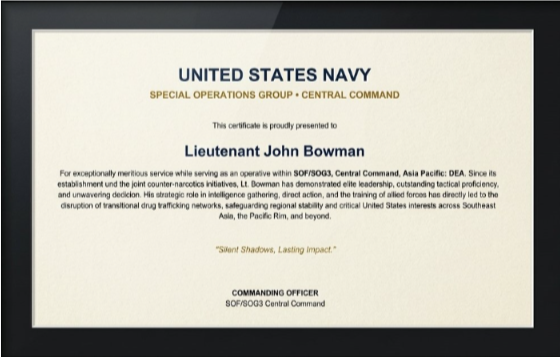
U.S. Navy
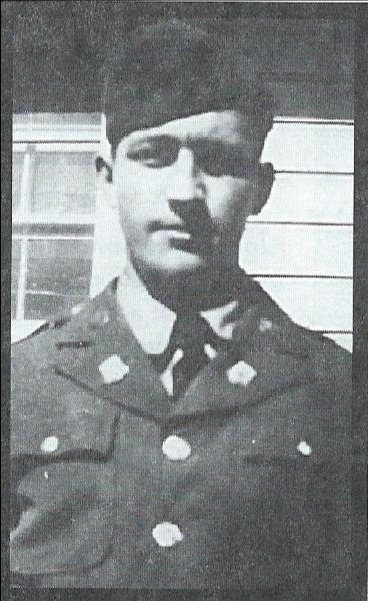
U.S. Navy
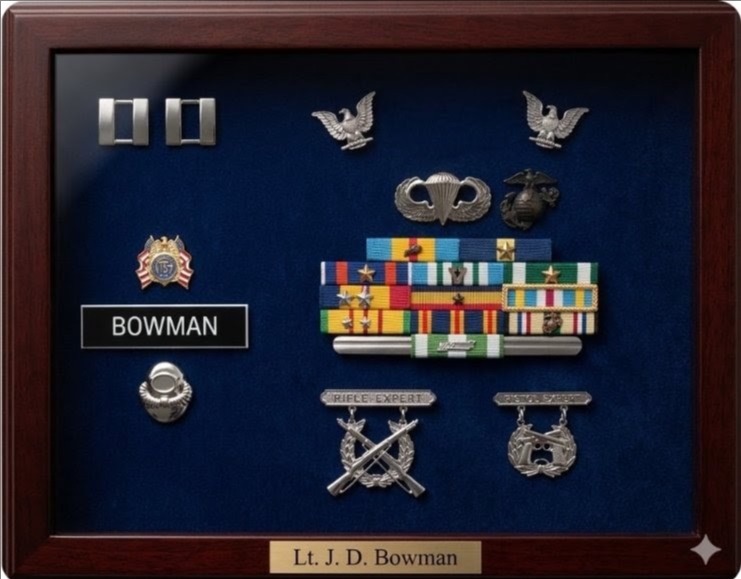
U.S. Navy

U.S. Navy