
Opening branch overview
Building the branch home surface
Loading branch highlights, featured unit context, and gallery moments.
Overview
Members
Units
Building the branch home surface
Loading branch highlights, featured unit context, and gallery moments.
Building the branch units surface
Loading unit filters, rankings, and the branch unit grid.

2 members•1 unit
Relive and share the memories of your service-time with your brothers and sisters in arms today. VetFriends.com can help you reconnect.
Did you proudly serve in the Fuels- vx4?
Are you looking for someone who is or was in the Fuels- vx4?
Do you have Fuels- vx4 photos you'd like to share?
Then join a community with your brothers and sisters of the Fuels- vx4.
Branch
U.S. Navy
Members
2
**Military History of Fuels – VX-4:** VX-4, known as Air Test and Evaluation Squadron Four, was a United States Navy unit established in 1950 at Naval Air Station Point Mugu, California. While its primary mission focused on operational testing and evaluation of naval aircraft and weapons systems, VX-4 also maintained specialized support elements, including a Fuels division. The Fuels team was critical in ensuring the safe storage, handling, and delivery of aviation fuel for test flights and experimental aircraft, often working under stringent safety protocols due to the sensitive nature of the squadron's operations. Throughout its history, VX-4’s Fuels personnel contributed significantly to successful flight test programs, enabling advances in naval aviation tactics and technology until the squadron’s merger with VX-5 to form VX-9 in 1994.
U.S. Navy
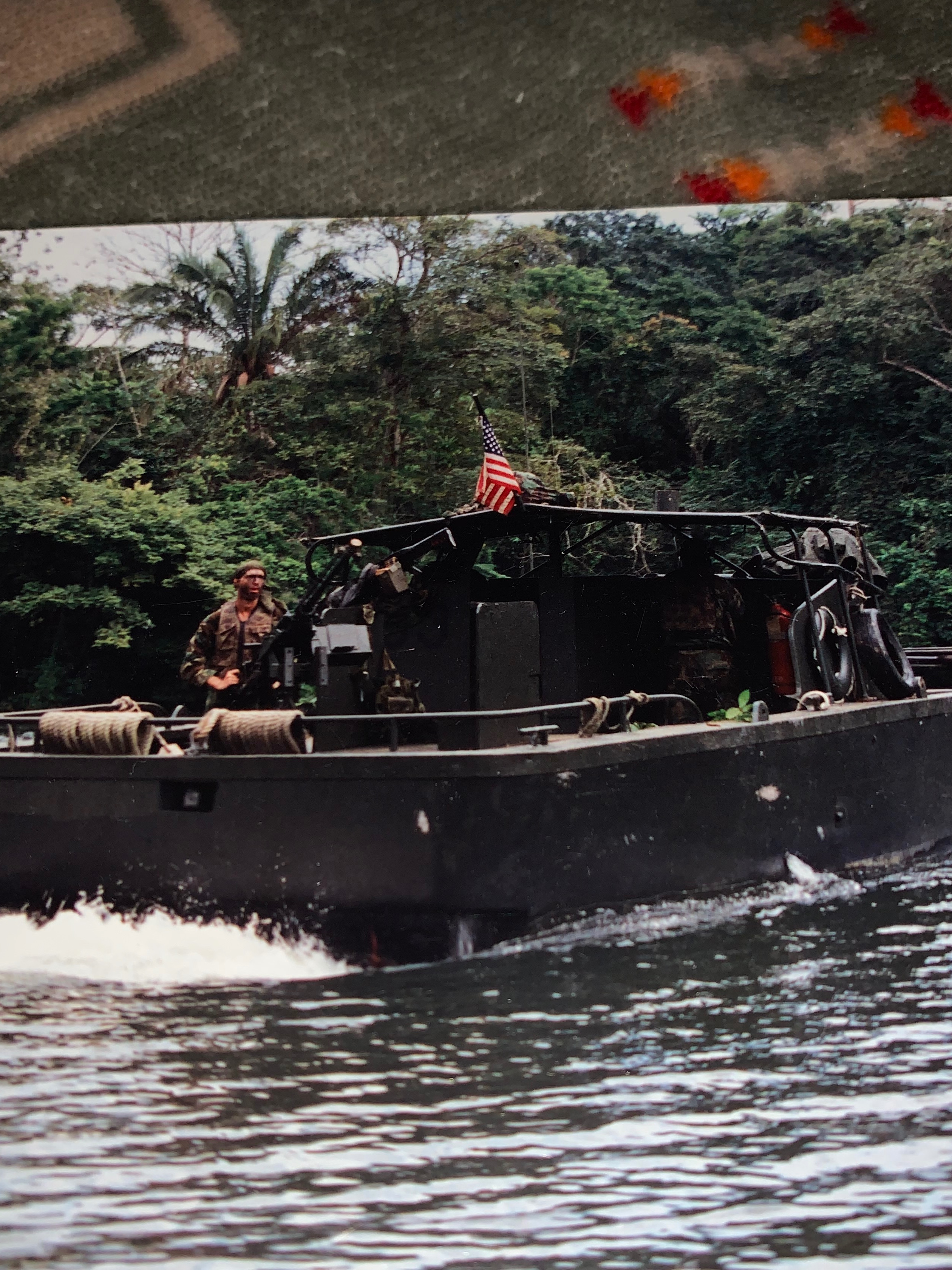
U.S. Navy
U.S. Navy
U.S. Navy