
Opening branch overview
Building the branch home surface
Loading branch highlights, featured unit context, and gallery moments.
Overview
Members
Units
Building the branch home surface
Loading branch highlights, featured unit context, and gallery moments.
Building the branch units surface
Loading unit filters, rankings, and the branch unit grid.

37 members•1 unit
Relive and share the memories of your service-time with your brothers and sisters in arms today. VetFriends.com can help you reconnect.
Did you proudly serve in the Fort Meade NSG at National Security Agency?
Are you looking for someone who is or was in the Fort Meade NSG at National Security Agency?
Do you have Fort Meade NSG at National Security Agency photos you'd like to share?
Then join a community with your brothers and sisters of the Fort Meade NSG at National Security Agency.
Branch
U.S. Navy
Members
37
Fort Meade NSG, also known as the National Security Group at Fort George G. Meade, Maryland, is a key military unit supporting the United States National Security Agency (NSA). Established as part of the U.S. Army's signals intelligence efforts during the Cold War, the unit has evolved to provide vital communications and cryptologic support to national defense operations. Over the decades, Fort Meade NSG has played a crucial role in intelligence gathering, cyber defense, and secure information dissemination for the U.S. military and intelligence community. Today, the unit remains at the forefront of safeguarding national security through advanced technological and cyber capabilities.

U.S. Navy

U.S. Navy
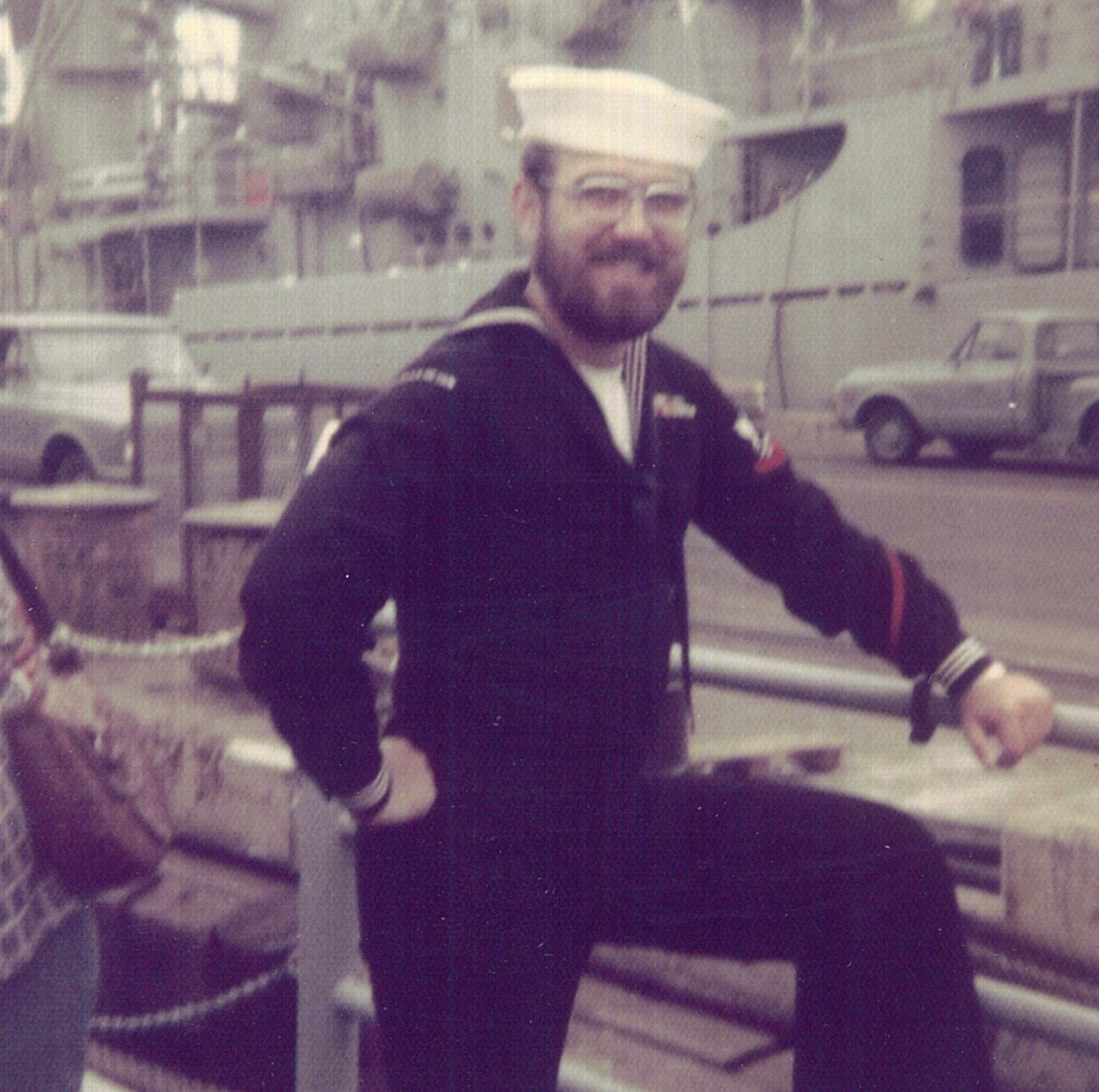
U.S. Navy
U.S. Navy • 2015