
Opening branch overview
Building the branch home surface
Loading branch highlights, featured unit context, and gallery moments.
Overview
Members
Units
Building the branch home surface
Loading branch highlights, featured unit context, and gallery moments.
Building the branch units surface
Loading unit filters, rankings, and the branch unit grid.

U.S. Navy•13 members
Relive and share the memories of your service-time with your brothers and sisters in arms today. VetFriends.com can help you reconnect.
Did you proudly serve in the FN USN?
Are you looking for someone who is or was in the FN USN?
Do you have FN USN photos you'd like to share?
Then join a community with your brothers and sisters of the FN USN.
The designation "FN USN" typically refers to "Fireman, United States Navy," which is an enlisted engineering rate within the U.S. Navy rather than a specific unit. The Fireman rating has its origins in the early days of steam-powered naval vessels, where Firemen were responsible for maintaining boilers and propulsion systems. Over time, the role evolved to include a broad range of engineering and mechanical tasks aboard ships and submarines, supporting essential operations. Today, U.S. Navy Firemen receive training in various engineering disciplines and often progress into specialized ratings such as Machinist’s Mate or Electrician’s Mate, playing a crucial part in maintaining fleet readiness and operational capability.
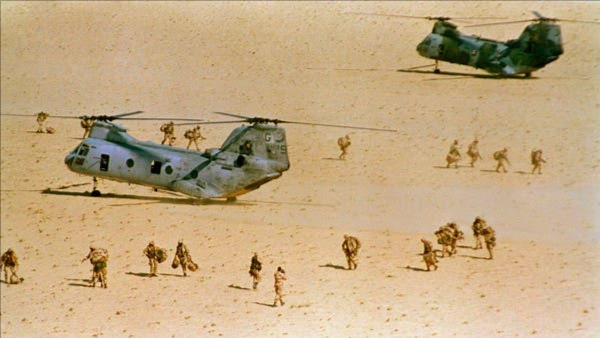
U.S. Navy
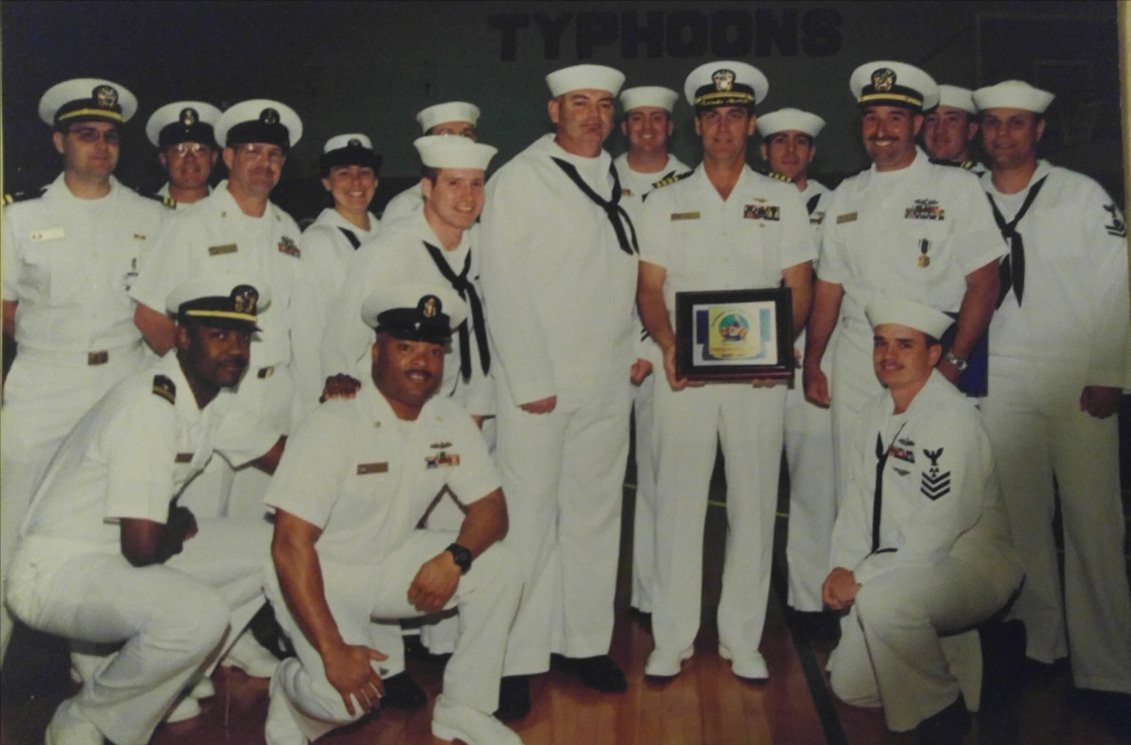
U.S. Navy
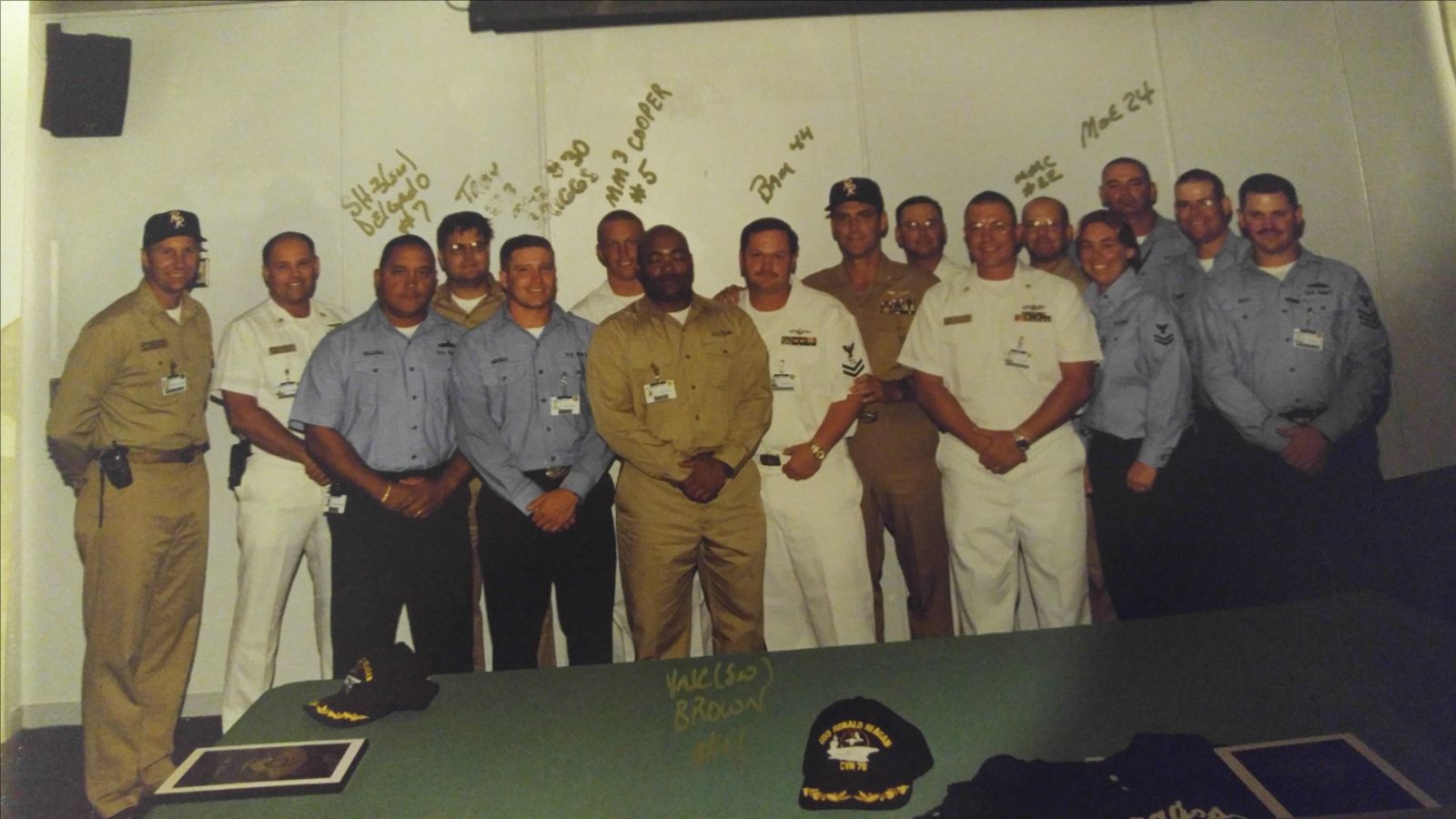
U.S. Navy
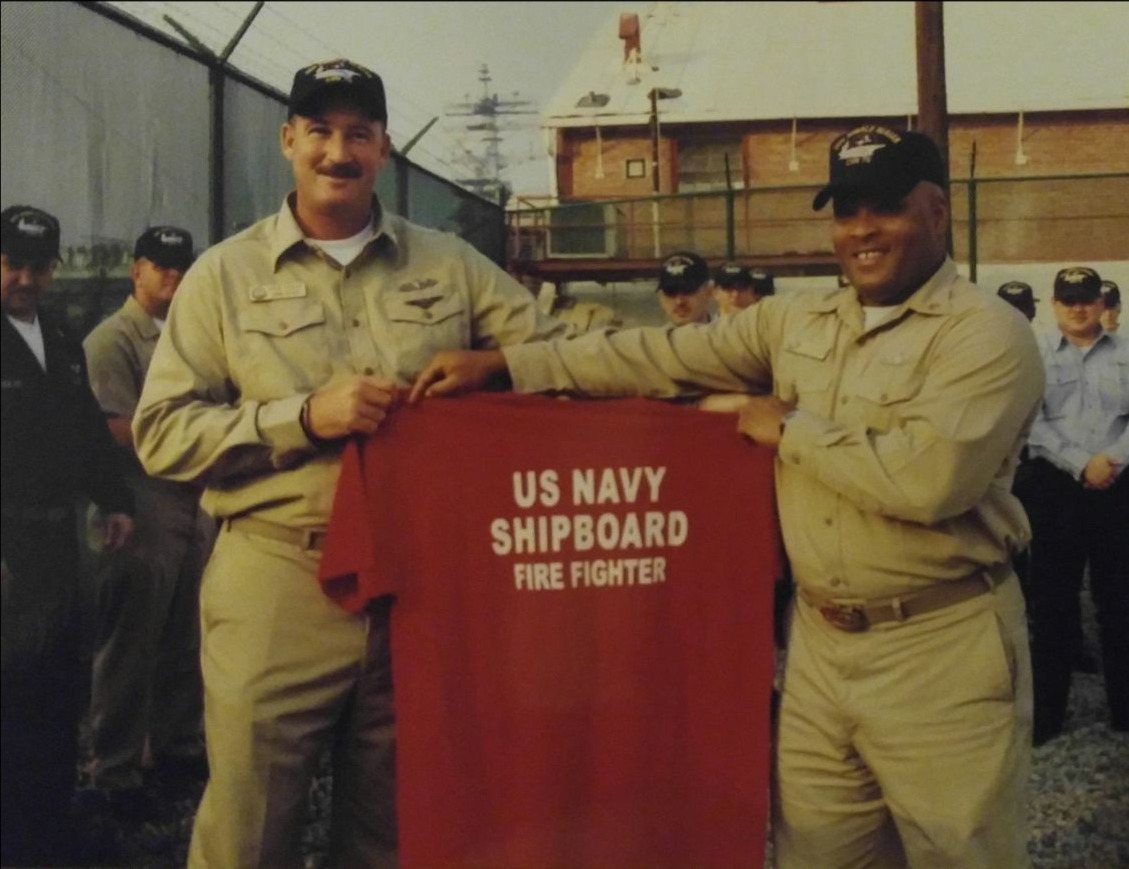
U.S. Navy