
Opening branch overview
Building the branch home surface
Loading branch highlights, featured unit context, and gallery moments.
Overview
Members
Units
Building the branch home surface
Loading branch highlights, featured unit context, and gallery moments.
Building the branch units surface
Loading unit filters, rankings, and the branch unit grid.

21 members•1 unit
Relive and share the memories of your service-time with your brothers and sisters in arms today. VetFriends.com can help you reconnect.
Did you proudly serve in the Fleet Weather Central?
Are you looking for someone who is or was in the Fleet Weather Central?
Do you have Fleet Weather Central photos you'd like to share?
Then join a community with your brothers and sisters of the Fleet Weather Central.
Branch
U.S. Navy
Members
21
Fleet Weather Central (FWC) is a specialized meteorological unit within the United States Navy, established during World War II to provide critical weather forecasting and oceanographic support to naval operations. Initially formed to support the vast Pacific theater, FWC's meteorologists played a pivotal role in planning and executing major amphibious assaults by delivering accurate weather predictions crucial for fleet movements and air operations. Over the decades, the unit evolved with advances in technology, integrating satellite data and computer modeling to enhance forecasting accuracy. Today, Fleet Weather Central continues to support naval and joint operations worldwide, ensuring mission safety and effectiveness through timely and precise environmental intelligence.

U.S. Navy
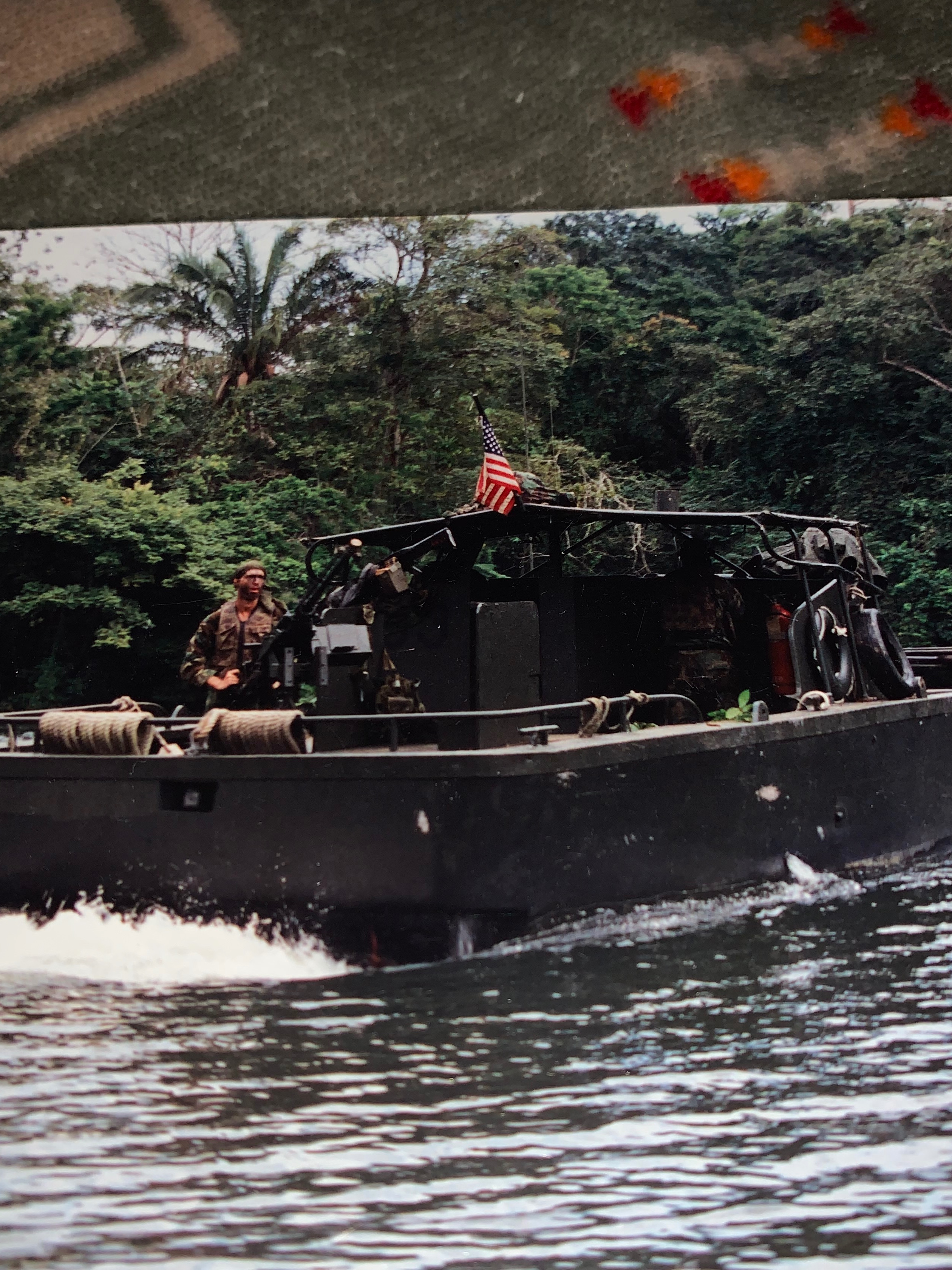
U.S. Navy
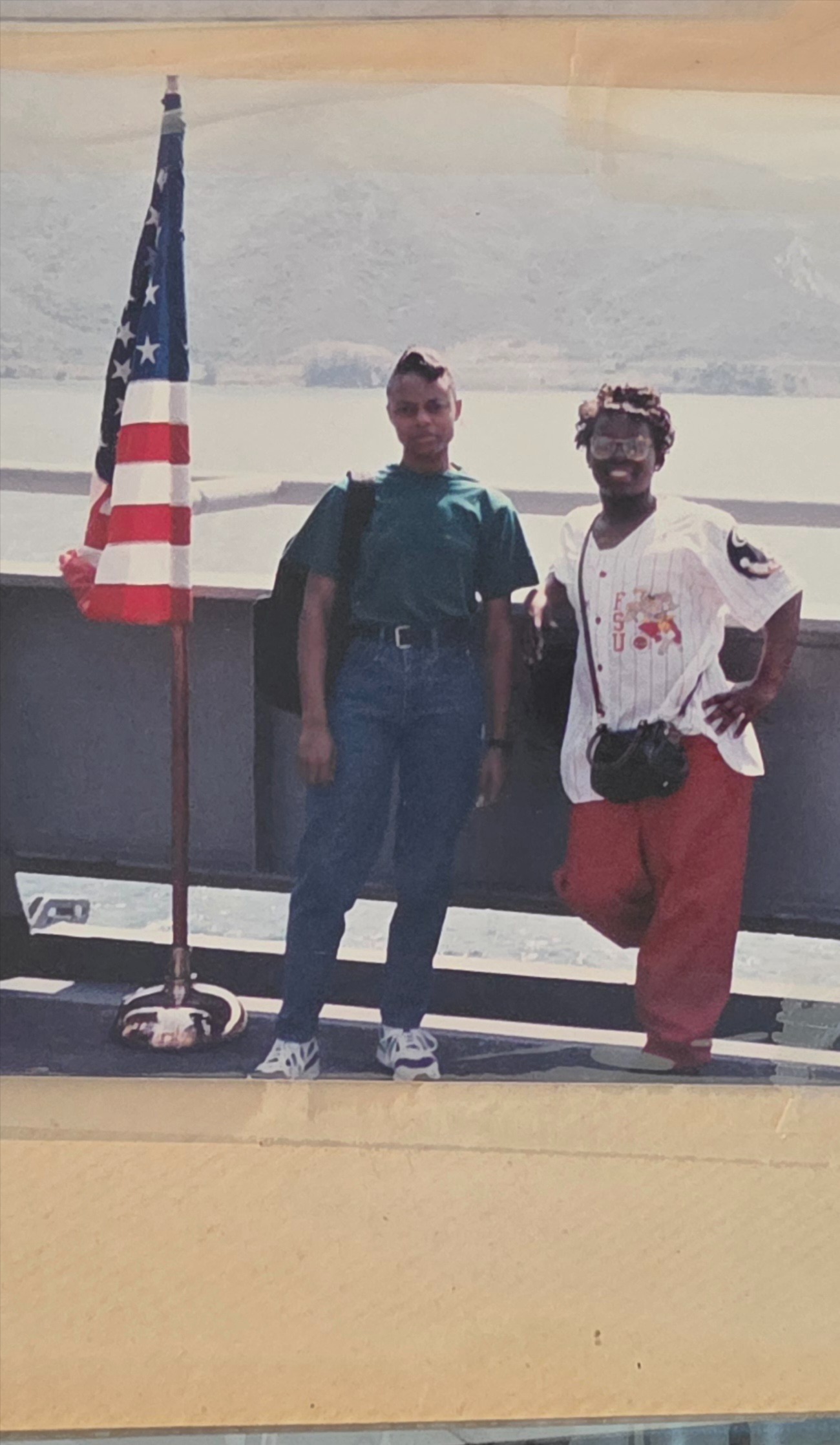
U.S. Navy
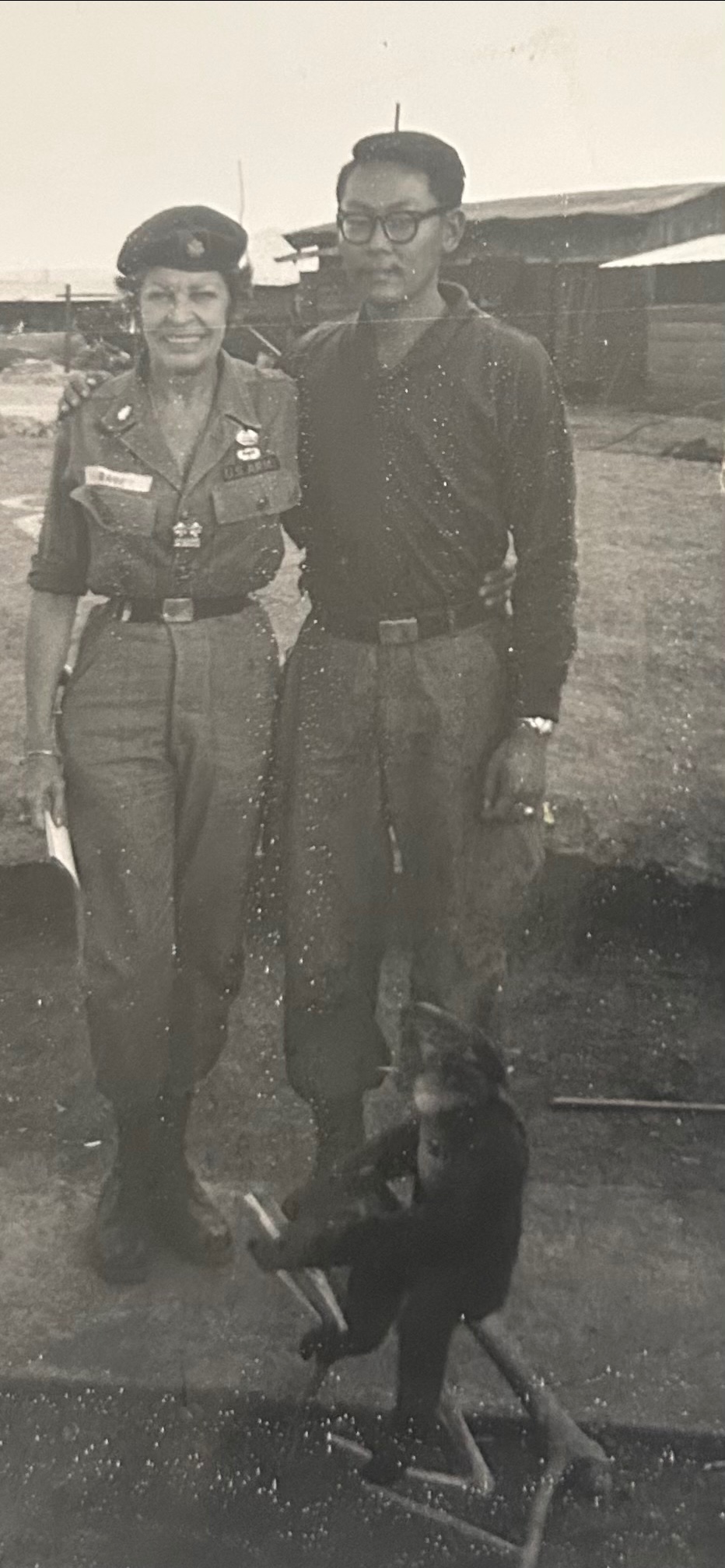
U.S. Navy