
Opening branch overview
Building the branch home surface
Loading branch highlights, featured unit context, and gallery moments.
Overview
Members
Units
Building the branch home surface
Loading branch highlights, featured unit context, and gallery moments.
Building the branch units surface
Loading unit filters, rankings, and the branch unit grid.

4 members•1 unit
Relive and share the memories of your service-time with your brothers and sisters in arms today. VetFriends.com can help you reconnect.
Did you proudly serve in the Fleet Hospital 6?
Are you looking for someone who is or was in the Fleet Hospital 6?
Do you have Fleet Hospital 6 photos you'd like to share?
Then join a community with your brothers and sisters of the Fleet Hospital 6.
Branch
U.S. Navy
Members
4
Fleet Hospital 6 (FH 6) is a deployable, modular U.S. Navy medical facility designed to provide comprehensive medical support to naval and joint forces during contingency operations. First commissioned in the late 1980s, FH 6 was notably deployed during Operation Desert Storm in 1991, where it provided critical medical care to coalition forces in Saudi Arabia. Over the years, the unit has participated in multiple humanitarian missions and joint exercises, demonstrating its rapid deployment capability and adaptability to various operational environments. Fleet Hospital 6 remains an essential component of Navy Medicine, ready to support global military and disaster response missions.

U.S. Navy
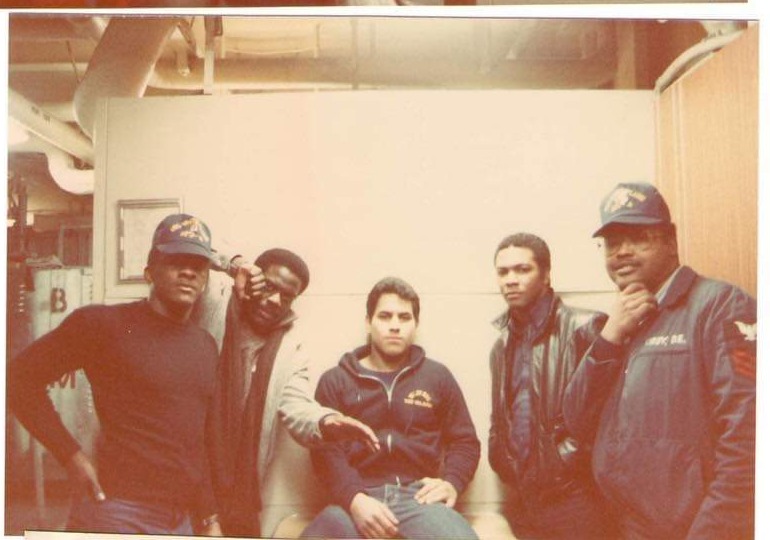
U.S. Navy
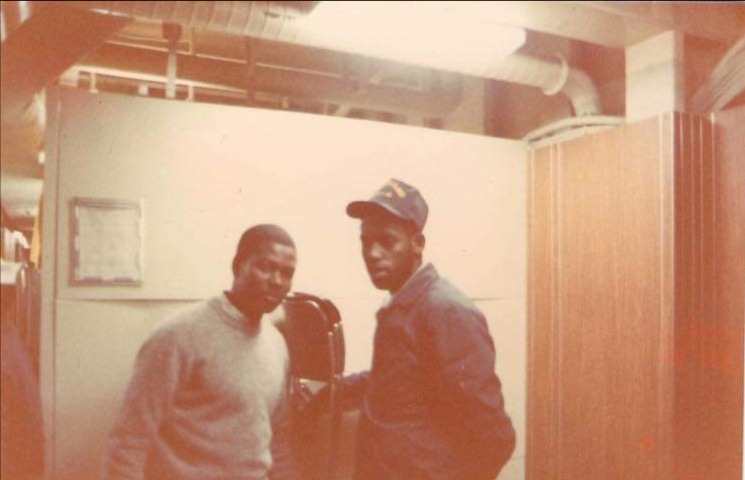
U.S. Navy
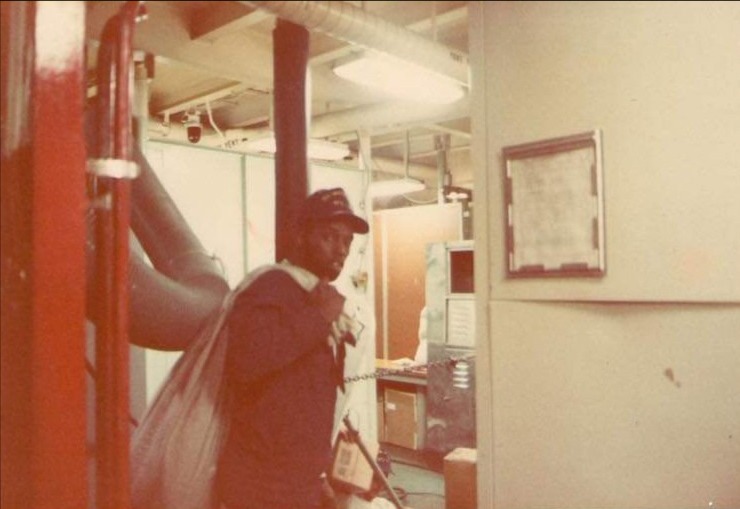
U.S. Navy