
Opening branch overview
Building the branch home surface
Loading branch highlights, featured unit context, and gallery moments.
Overview
Members
Units
Building the branch home surface
Loading branch highlights, featured unit context, and gallery moments.
Building the branch units surface
Loading unit filters, rankings, and the branch unit grid.

U.S. Navy•9 members
Relive and share the memories of your service-time with your brothers and sisters in arms today. VetFriends.com can help you reconnect.
Did you proudly serve in the FIRSTPAC?
Are you looking for someone who is or was in the FIRSTPAC?
Do you have FIRSTPAC photos you'd like to share?
Then join a community with your brothers and sisters of the FIRSTPAC.
FIRSTPAC, short for First Pacific Command, is a notional military unit representing a joint-service force responsible for operations in the Pacific theater. Established in the mid-20th century to address growing security concerns in the Asia-Pacific region, FIRSTPAC has played a pivotal role in major regional exercises, humanitarian missions, and strategic deterrence operations. The unit has participated in alliances and partnerships, notably supporting multinational efforts such as RIMPAC and Pacific Partnership. Over the decades, FIRSTPAC has evolved to incorporate advanced technologies and integrated command structures, ensuring readiness to respond to emerging threats across the Pacific Rim.

FP1287 • U.S. Navy • 1983

FP1287 • U.S. Navy • 1983
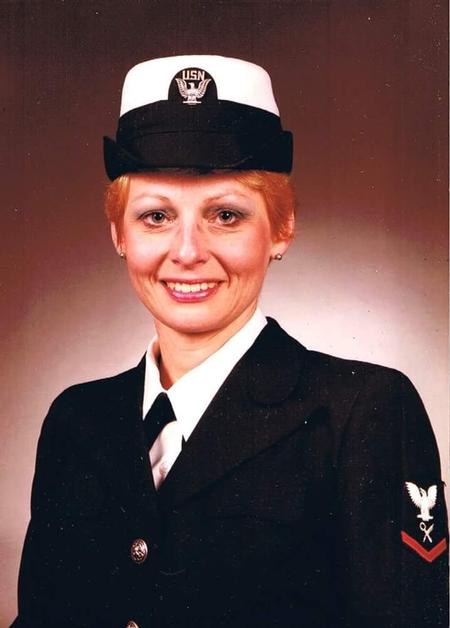
FP1287 • U.S. Navy • 1983
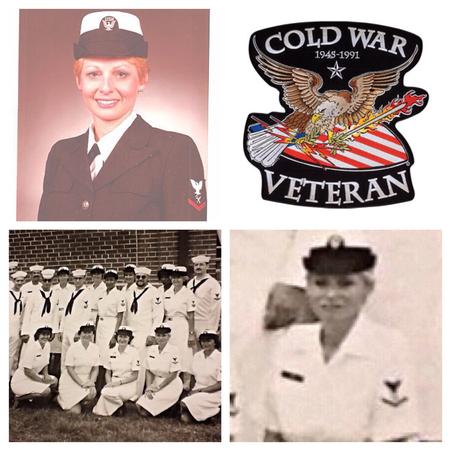
FP1287 • U.S. Navy • 1983