
Opening branch overview
Building the branch home surface
Loading branch highlights, featured unit context, and gallery moments.
Overview
Members
Units
Building the branch home surface
Loading branch highlights, featured unit context, and gallery moments.
Building the branch units surface
Loading unit filters, rankings, and the branch unit grid.

U.S. Navy•4 members
Relive and share the memories of your service-time with your brothers and sisters in arms today. VetFriends.com can help you reconnect.
Did you proudly serve in the Field Command Defense Nuclear Agency?
Are you looking for someone who is or was in the Field Command Defense Nuclear Agency?
Do you have Field Command Defense Nuclear Agency photos you'd like to share?
Then join a community with your brothers and sisters of the Field Command Defense Nuclear Agency.
The Field Command, Defense Nuclear Agency (FC, DNA) was established in 1947 as part of the Armed Forces Special Weapons Project, initially overseeing nuclear weapons testing and support at Sandia Base, New Mexico. It evolved through several redesignations, becoming Field Command, Defense Nuclear Agency in 1971, with a mission to manage nuclear test operations, technical support, and safety programs for the Department of Defense. The unit played a pivotal role during the Cold War, ensuring the readiness, security, and effectiveness of the U.S. nuclear arsenal. In 1993, following organizational restructuring, Field Command was inactivated and its functions were absorbed by successor agencies.
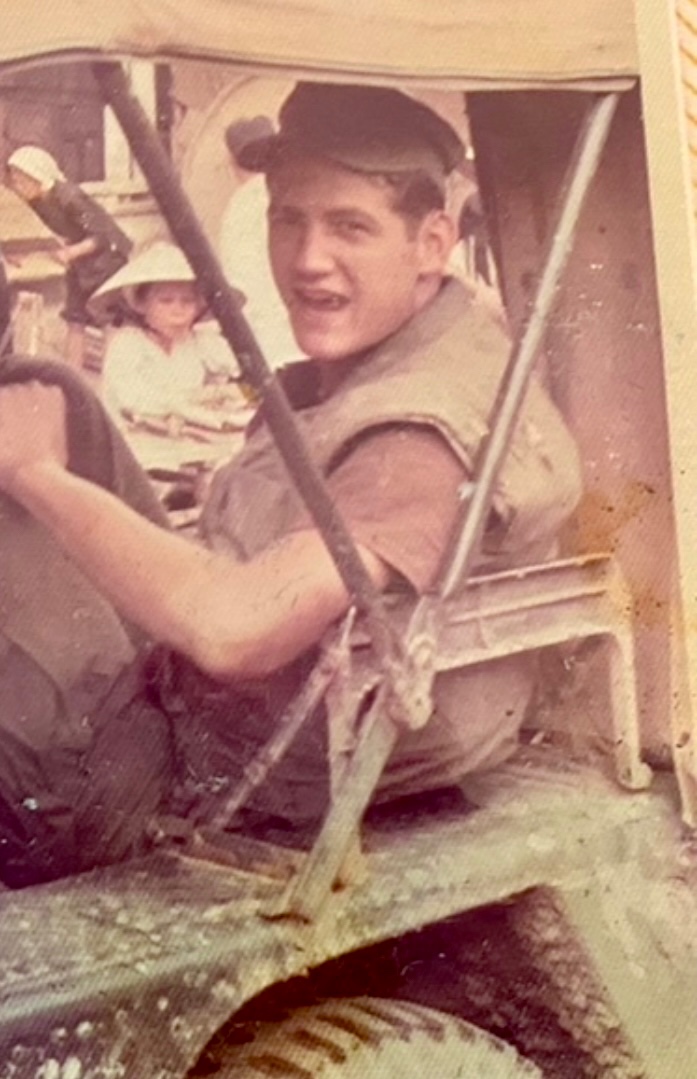
U.S. Navy

U.S. Navy
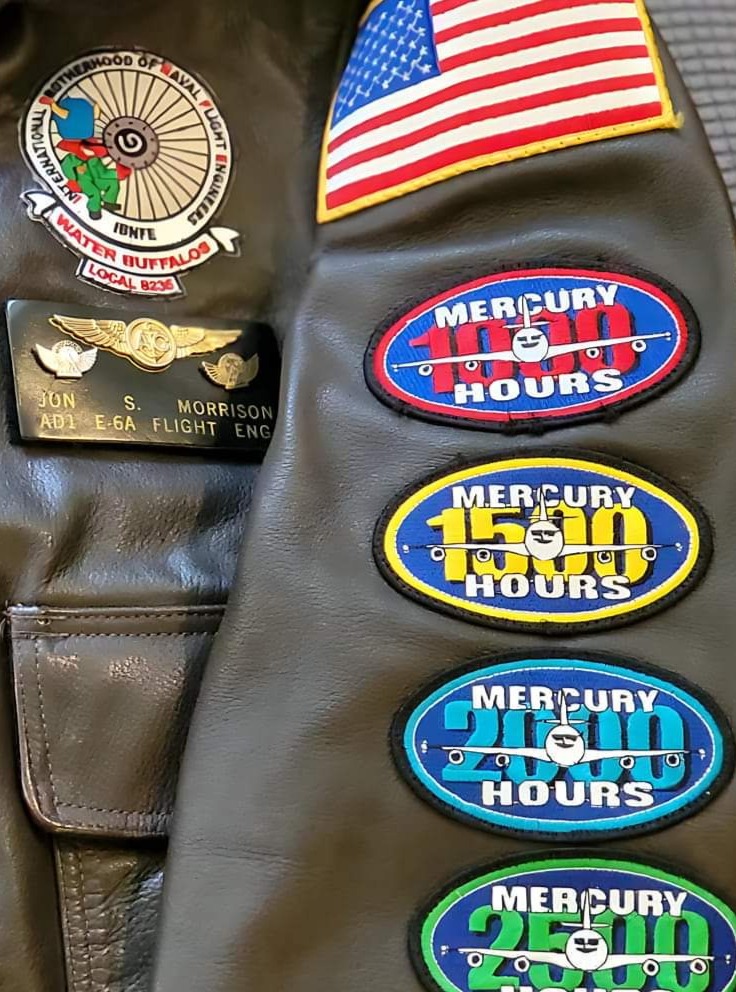
VQ4 • U.S. Navy • 1991
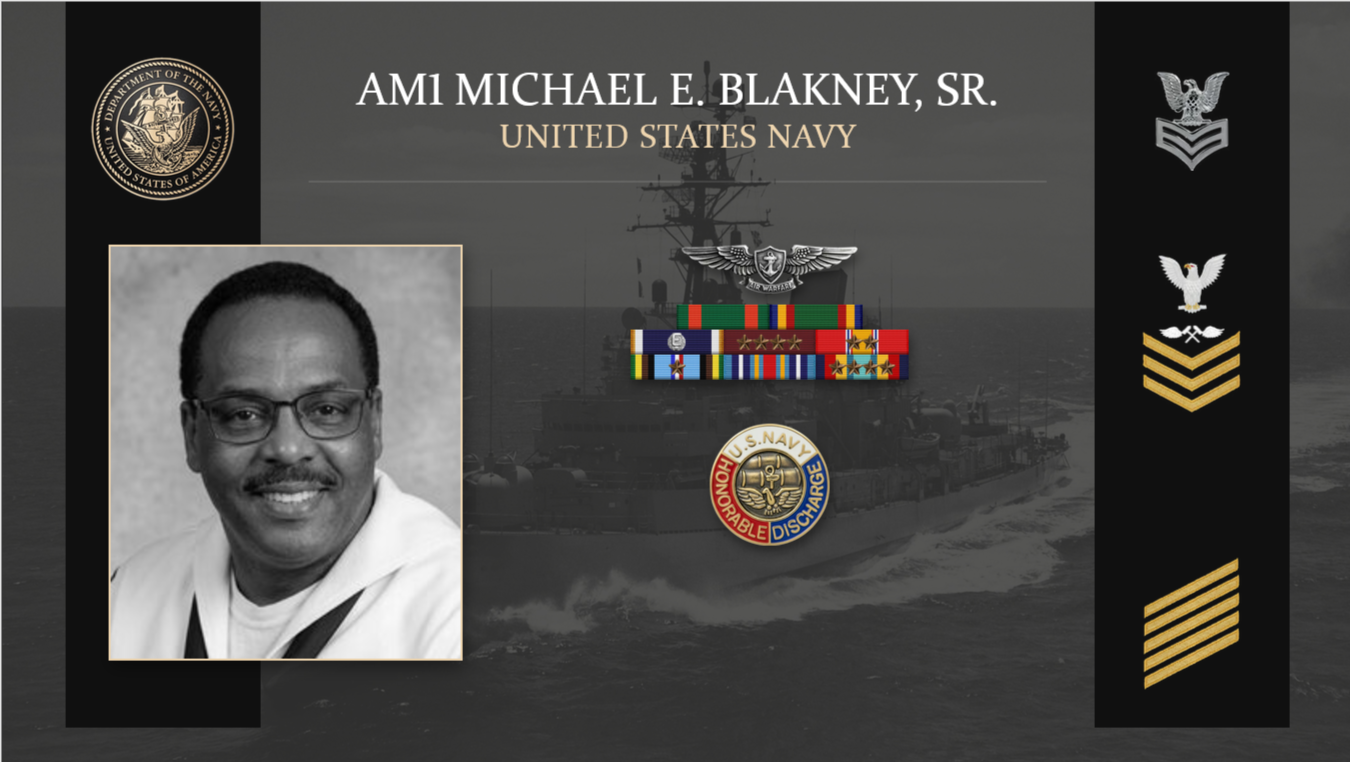
U.S. Navy