
Opening branch overview
Building the branch home surface
Loading branch highlights, featured unit context, and gallery moments.
Overview
Members
Units
Building the branch home surface
Loading branch highlights, featured unit context, and gallery moments.
Building the branch units surface
Loading unit filters, rankings, and the branch unit grid.

6 members•1 unit
Relive and share the memories of your service-time with your brothers and sisters in arms today. VetFriends.com can help you reconnect.
Did you proudly serve in the EPMAC New Orleans, LA?
Are you looking for someone who is or was in the EPMAC New Orleans, LA?
Do you have EPMAC New Orleans, LA photos you'd like to share?
Then join a community with your brothers and sisters of the EPMAC New Orleans, LA.
Branch
U.S. Navy
Members
6
EPMAC (Enlisted Personnel Management Center), located in New Orleans, Louisiana, was established in 1972 as part of the United States Navy’s effort to centralize and modernize enlisted personnel management. Its primary mission was to assign and distribute enlisted sailors to billets around the world, ensuring optimal manning and readiness for fleet operations. Throughout its history, EPMAC played a crucial role in supporting Navy operations by leveraging personnel data and advanced systems to match sailors’ skills with the Navy's needs. In 2005, as part of broader military restructuring, EPMAC was realigned and its functions were eventually integrated into the Navy Personnel Command in Millington, Tennessee.
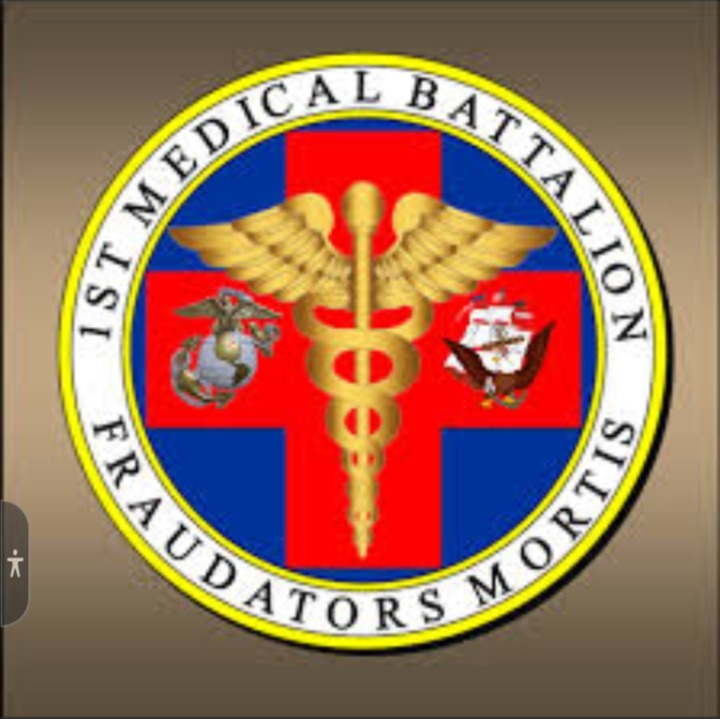
1ST MEDICAL BATTALION • U.S. Navy • 1983
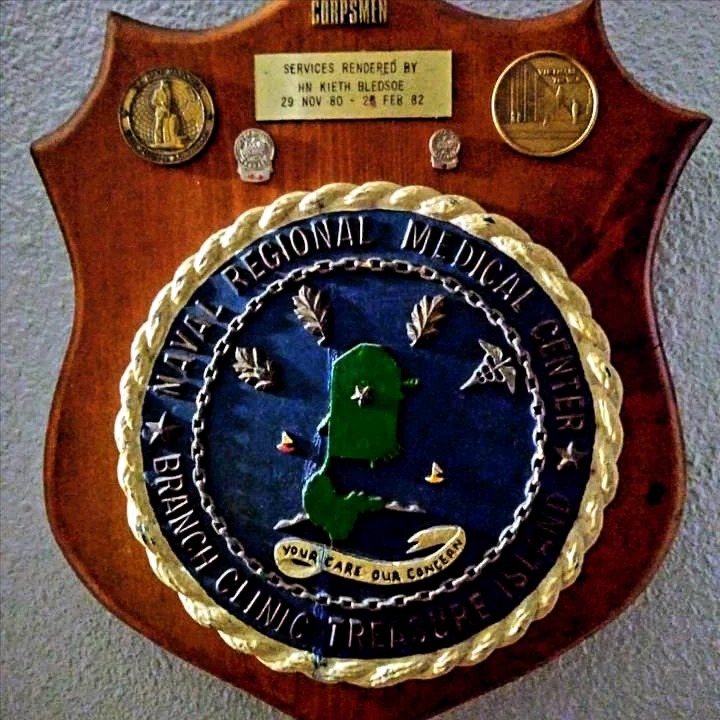
NAVAL REGIONAL MEDICAL CENTER OAKLAND, CA • U.S. Navy • 1980
U.S. Navy

U.S. Navy