
Opening branch overview
Building the branch home surface
Loading branch highlights, featured unit context, and gallery moments.
Overview
Members
Units
Building the branch home surface
Loading branch highlights, featured unit context, and gallery moments.
Building the branch units surface
Loading unit filters, rankings, and the branch unit grid.

U.S. Navy•91 members
Relive and share the memories of your service-time with your brothers and sisters in arms today. VetFriends.com can help you reconnect.
Did you proudly serve in the Deck department?
Are you looking for someone who is or was in the Deck department?
Do you have Deck department photos you'd like to share?
Then join a community with your brothers and sisters of the Deck department.
The Deck Department is a vital unit aboard naval vessels, responsible for the maintenance and operation of a ship's exterior and all deck-related equipment. Historically, sailors assigned to the deck department have managed anchoring, mooring, small boat operations, and the handling of cargo and supplies, dating back to the Age of Sail. Over time, the department has evolved with advancements in naval technology, incorporating modern seamanship skills and safety protocols. Today, the Deck Department remains crucial for ensuring the safe navigation, upkeep, and readiness of naval ships across the world.
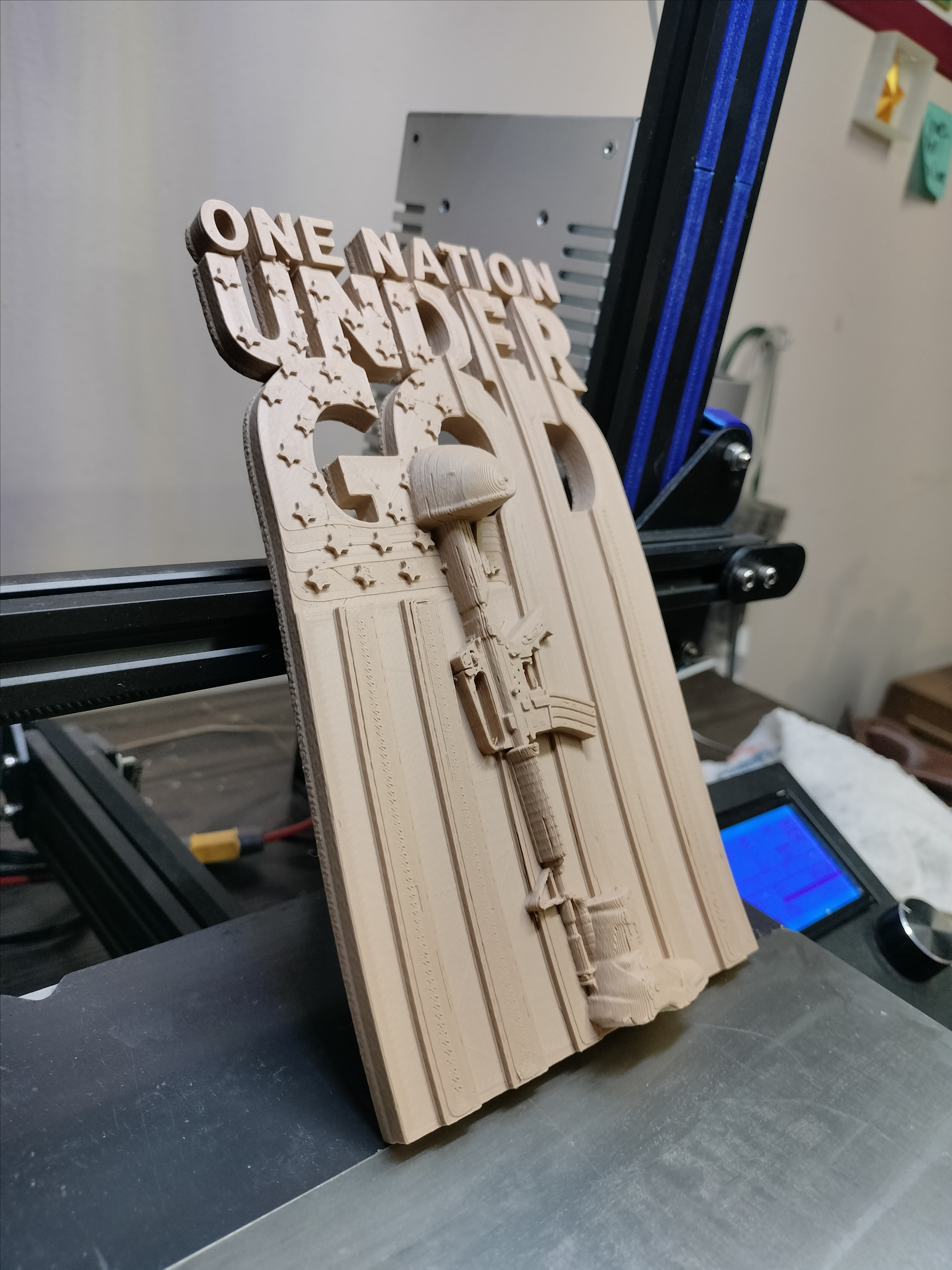
Brownwater Navy Vietnam • U.S. Navy • 2023
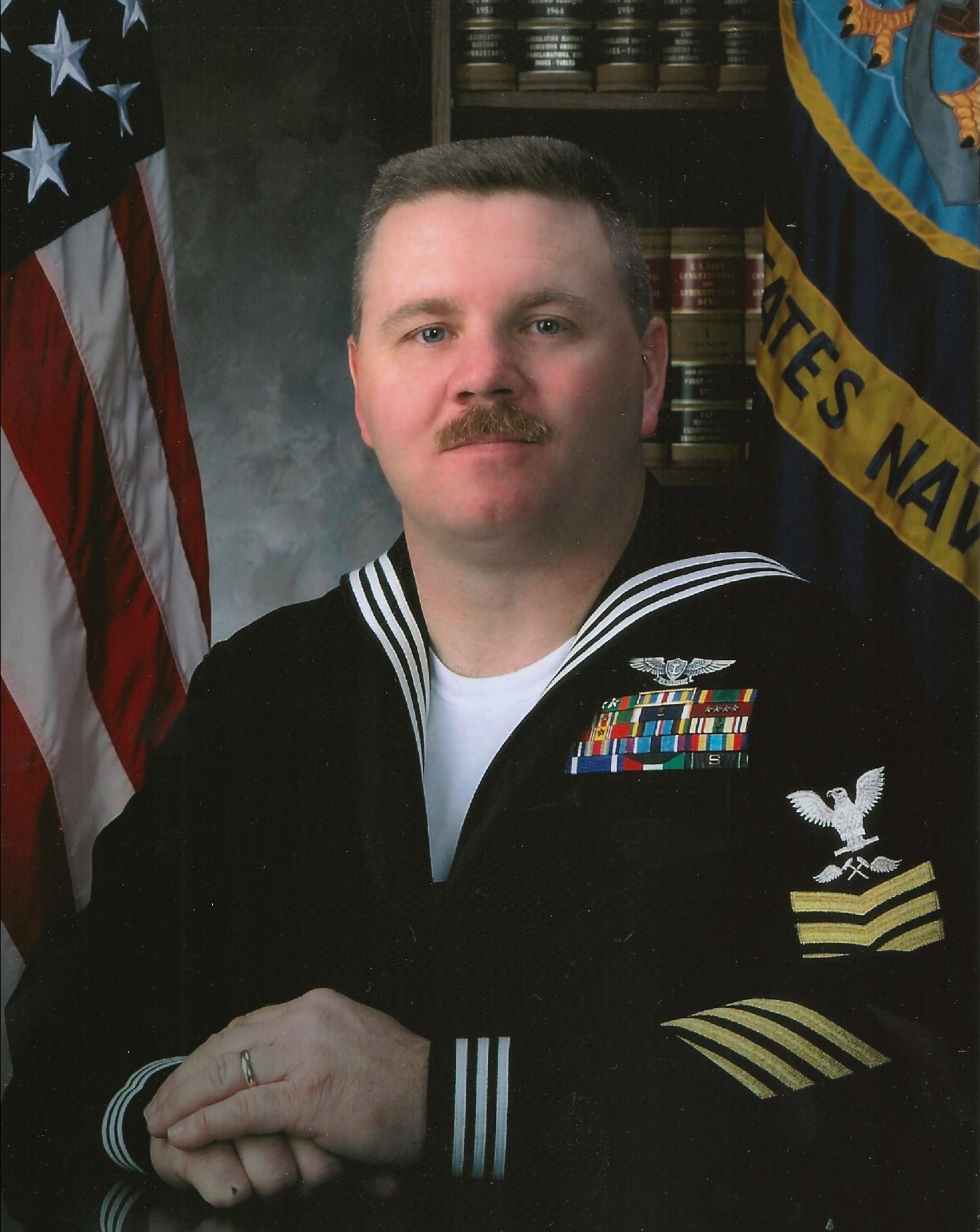
AIMD CORPUS CHRISTI • U.S. Navy • 2001
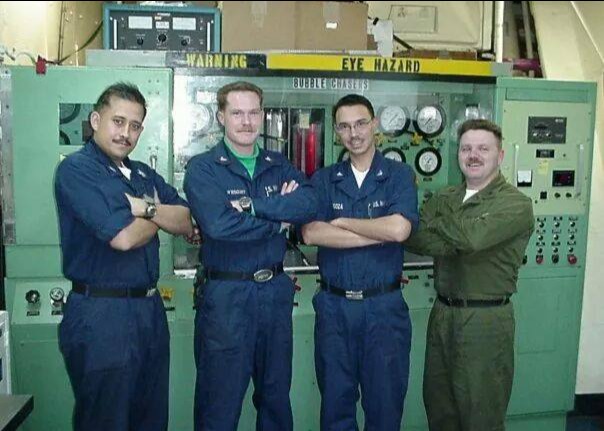
U.S. Navy

U.S. Navy