
Opening branch overview
Building the branch home surface
Loading branch highlights, featured unit context, and gallery moments.
Overview
Members
Units
Building the branch home surface
Loading branch highlights, featured unit context, and gallery moments.
Building the branch units surface
Loading unit filters, rankings, and the branch unit grid.

U.S. Navy•15 members
Relive and share the memories of your service-time with your brothers and sisters in arms today. VetFriends.com can help you reconnect.
Did you proudly serve in the COMSERVPAC?
Are you looking for someone who is or was in the COMSERVPAC?
Do you have COMSERVPAC photos you'd like to share?
Then join a community with your brothers and sisters of the COMSERVPAC.
COMSERVPAC, or Commander, Service Force, Pacific Fleet, was a major United States Navy logistics command active during World War II and the early Cold War. Established in 1942, COMSERVPAC was responsible for providing vital supply, repair, fueling, and support services to the vast naval forces operating across the Pacific Theater. The unit coordinated a wide range of auxiliary vessels, including oilers, tenders, and repair ships, enabling sustained offensive operations far from mainland bases. COMSERVPAC played a crucial role in supporting amphibious assaults and maintaining the fleet’s operational readiness, contributing significantly to Allied victory in the Pacific.
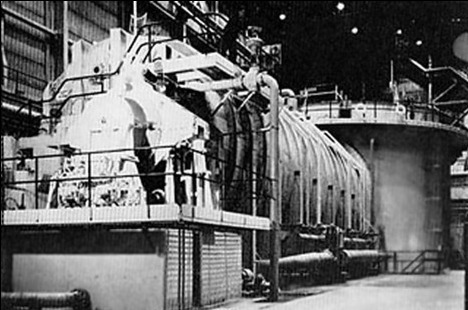
NPTU IDAHO • U.S. Navy • 1972
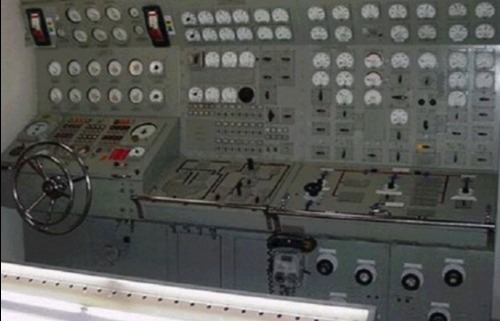
NPTU IDAHO • U.S. Navy • 1978
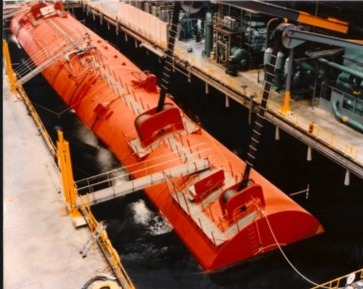
NPTU IDAHO • U.S. Navy • 1978
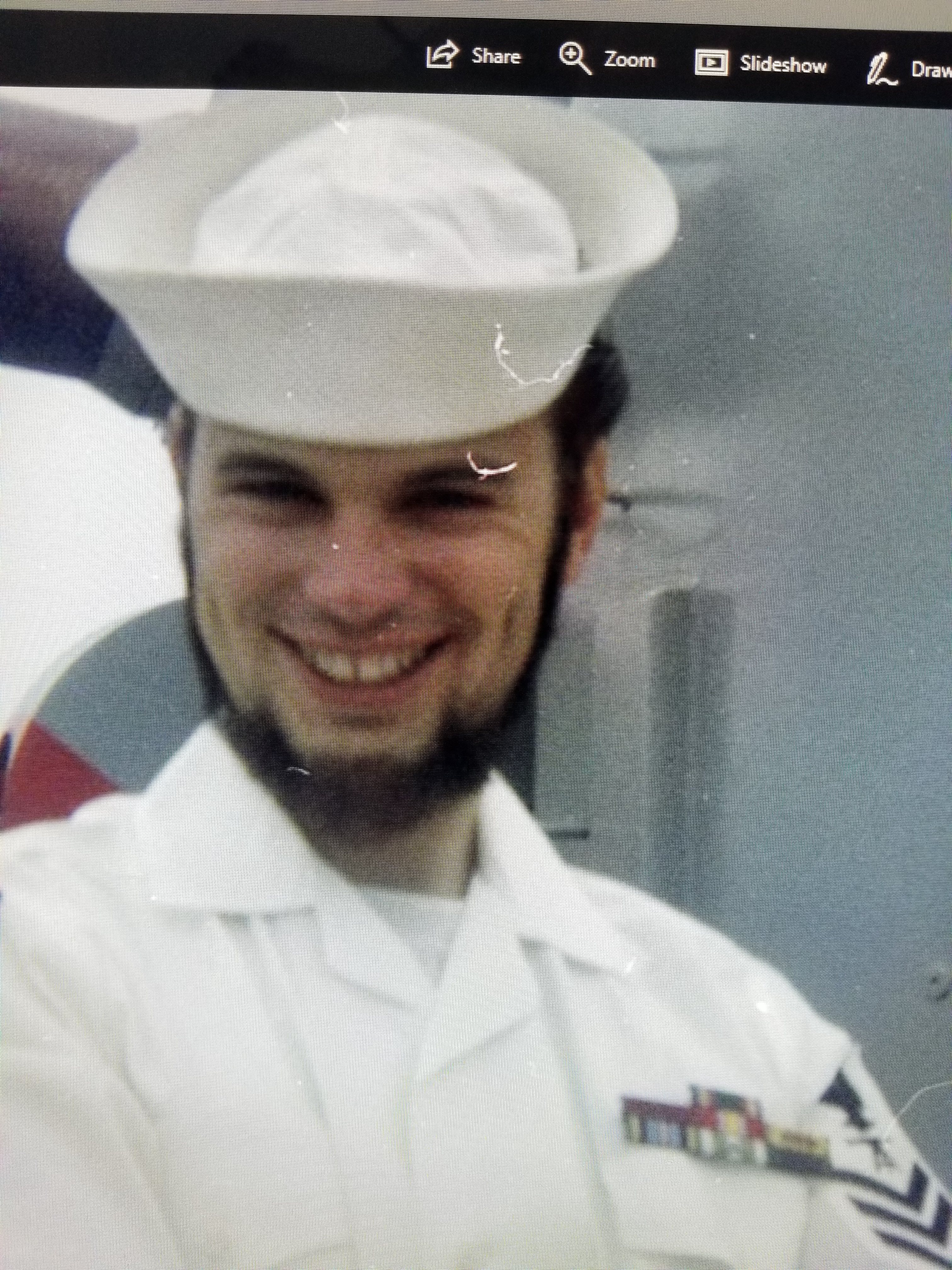
USS EDSON DD946 • U.S. Navy • 1973