
Opening branch overview
Building the branch home surface
Loading branch highlights, featured unit context, and gallery moments.
Overview
Members
Units
Building the branch home surface
Loading branch highlights, featured unit context, and gallery moments.
Building the branch units surface
Loading unit filters, rankings, and the branch unit grid.

6 members•1 unit
Relive and share the memories of your service-time with your brothers and sisters in arms today. VetFriends.com can help you reconnect.
Did you proudly serve in the Comservlant?
Are you looking for someone who is or was in the Comservlant?
Do you have Comservlant photos you'd like to share?
Then join a community with your brothers and sisters of the Comservlant.
Branch
U.S. Navy
Members
6
COMSERFLANT, or the Commander, Service Force, Atlantic Fleet, was a key logistics command within the United States Navy. Established during World War II, COMSERFLANT oversaw the provisioning, maintenance, and supply of Atlantic Fleet ships, ensuring operational readiness through fuel, ammunition, repairs, and other support services. The command played a critical role during wartime and throughout the Cold War, supporting fleet operations from the East Coast of the United States to the Mediterranean and beyond. COMSERFLANT's mission was eventually integrated into broader fleet logistics organizations as the Navy streamlined its support structure in the post-Cold War era.
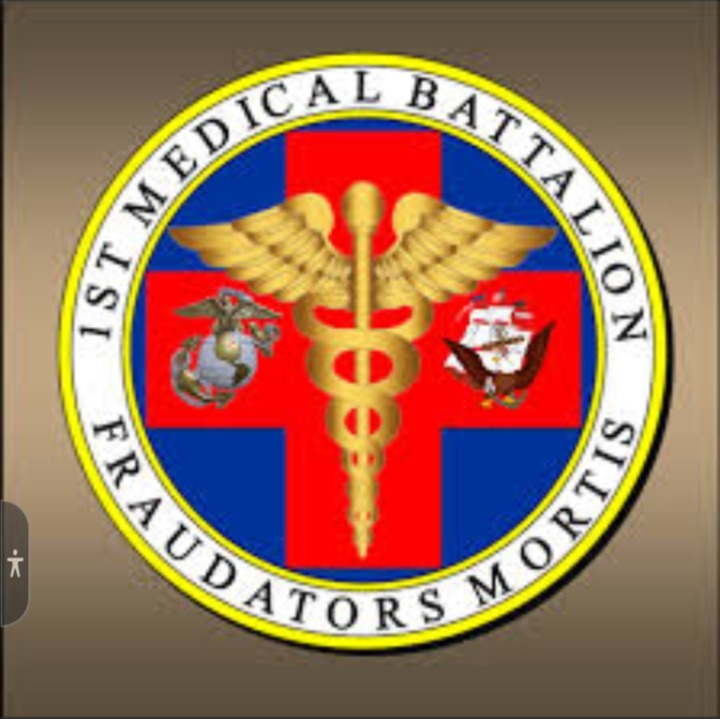
1ST MEDICAL BATTALION • U.S. Navy • 1983
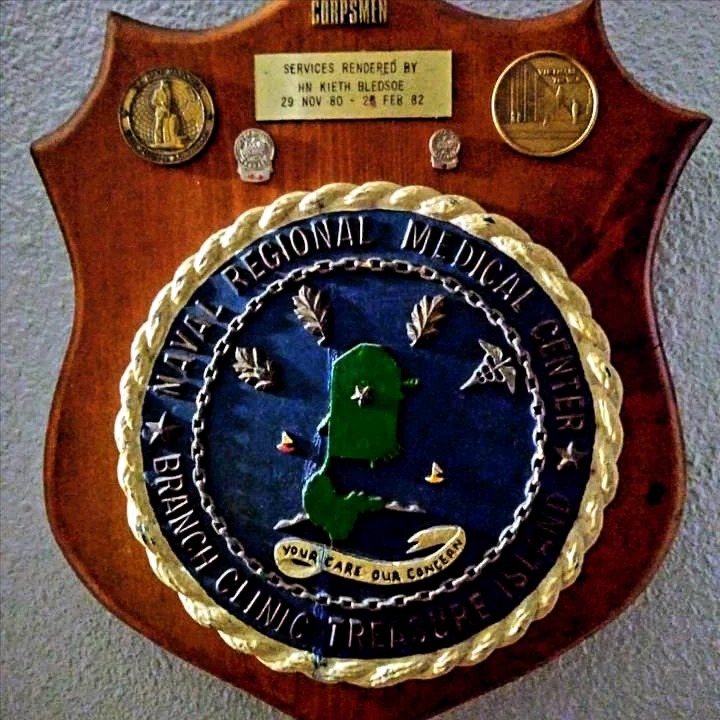
NAVAL REGIONAL MEDICAL CENTER OAKLAND, CA • U.S. Navy • 1980
U.S. Navy

U.S. Navy