
Opening branch overview
Building the branch home surface
Loading branch highlights, featured unit context, and gallery moments.
Overview
Members
Units
Building the branch home surface
Loading branch highlights, featured unit context, and gallery moments.
Building the branch units surface
Loading unit filters, rankings, and the branch unit grid.

U.S. Navy•14 members
Relive and share the memories of your service-time with your brothers and sisters in arms today. VetFriends.com can help you reconnect.
Did you proudly serve in the COMNAVFORJAPAN?
Are you looking for someone who is or was in the COMNAVFORJAPAN?
Do you have COMNAVFORJAPAN photos you'd like to share?
Then join a community with your brothers and sisters of the COMNAVFORJAPAN.
Commander, Naval Forces Japan (COMNAVFORJAPAN) is a United States Navy command responsible for overseeing naval operations and supporting U.S. naval forces stationed in Japan. Established after World War II, the command played a crucial role in the post-war occupation and rebuilding of Japan, as well as in the development of the U.S.-Japan security alliance. Over the decades, COMNAVFORJAPAN has supported regional stability, humanitarian missions, and joint exercises with the Japan Maritime Self-Defense Force. Today, it continues to serve as a key element of the U.S. military presence in the Indo-Pacific, ensuring readiness and cooperation between the two nations' naval forces.
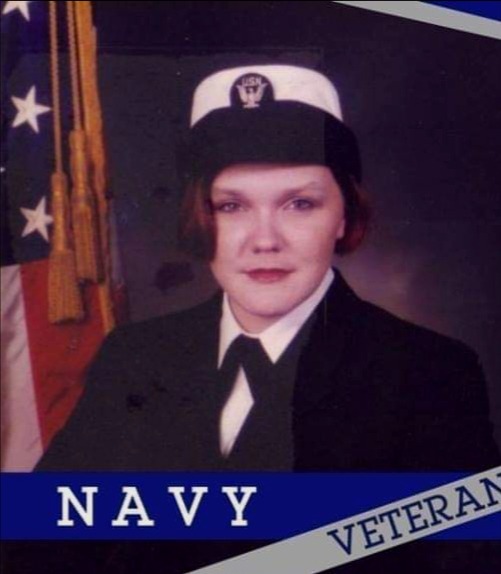
U.S. Navy
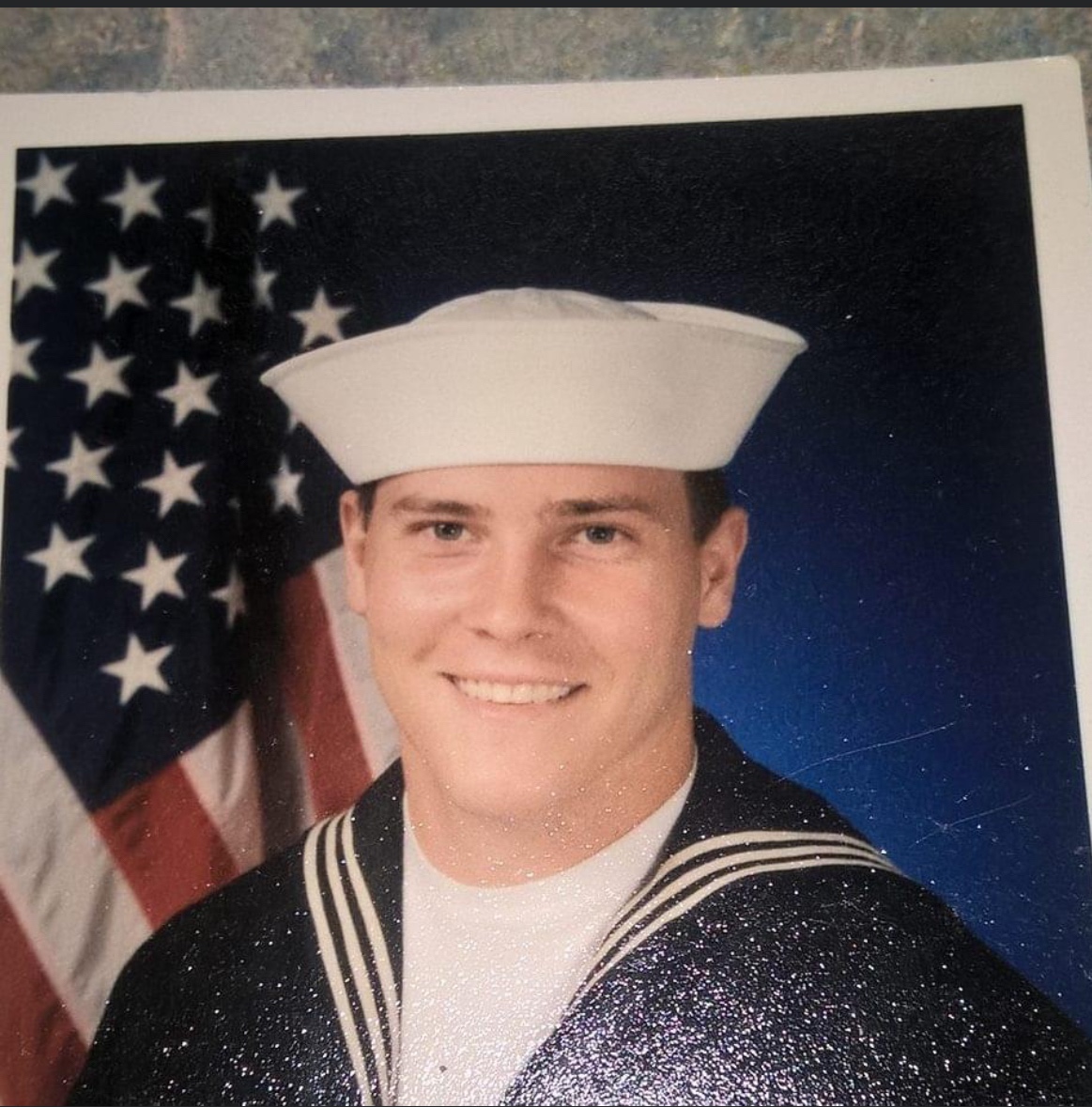
U.S. Navy
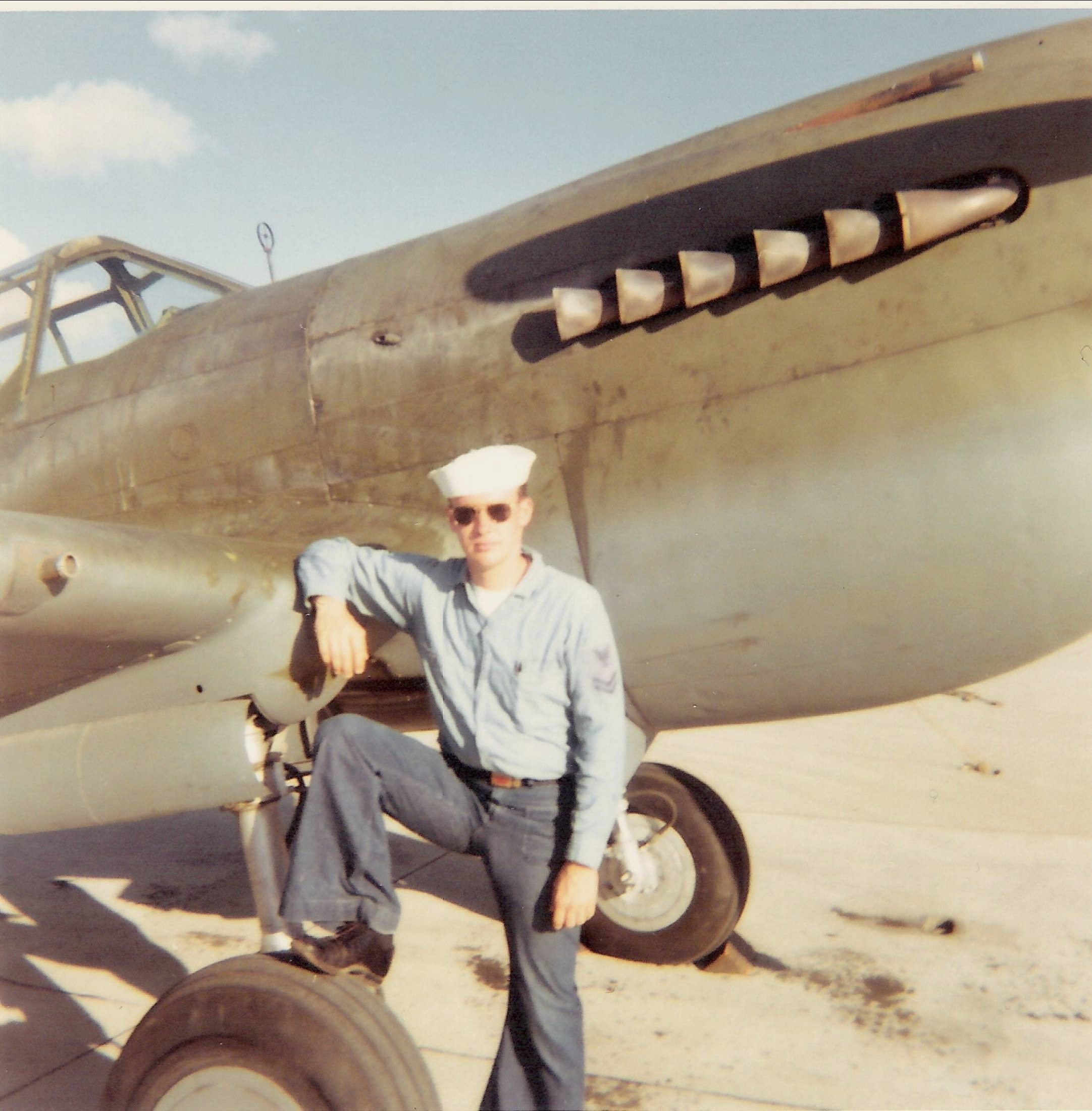
ATTACK SQUADRON VA-87 • U.S. Navy • 1969
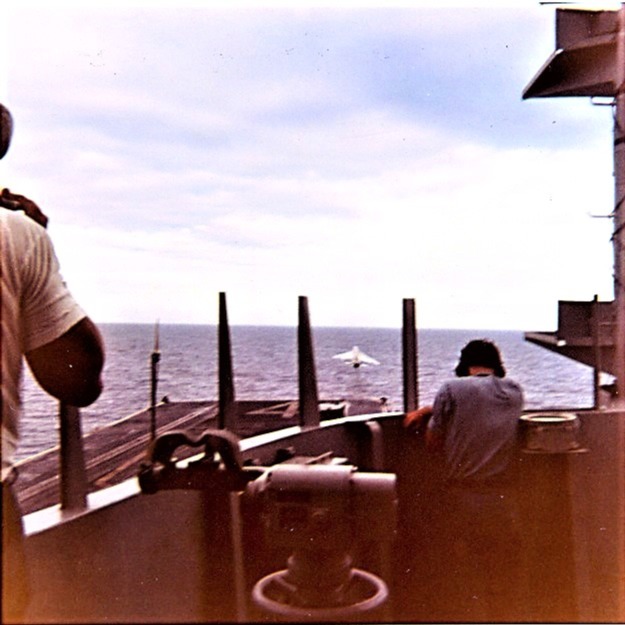
U.S. Navy • 1969