
Opening branch overview
Building the branch home surface
Loading branch highlights, featured unit context, and gallery moments.
Overview
Members
Units
Building the branch home surface
Loading branch highlights, featured unit context, and gallery moments.
Building the branch units surface
Loading unit filters, rankings, and the branch unit grid.

2 members•1 unit
Relive and share the memories of your service-time with your brothers and sisters in arms today. VetFriends.com can help you reconnect.
Did you proudly serve in the Commandant Third Naval District?
Are you looking for someone who is or was in the Commandant Third Naval District?
Do you have Commandant Third Naval District photos you'd like to share?
Then join a community with your brothers and sisters of the Commandant Third Naval District.
Branch
U.S. Navy
Members
2
The Commandant, Third Naval District was a senior command position within the United States Navy, responsible for overseeing naval operations in the New York region. Established in the early 20th century, the Third Naval District played a crucial role during both World Wars, coordinating coastal defense, recruitment, and logistical support for Atlantic Fleet operations. Its headquarters were located in New York City, making it a central hub for naval administration and communication. The district was eventually disestablished in 1976, as part of a broader reorganization of the Navy’s shore establishment.
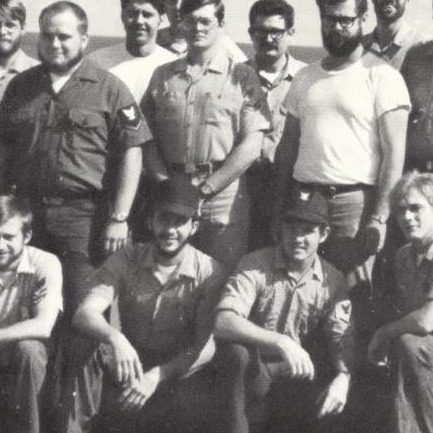
USS David R Ray (DD-971) • U.S. Navy • 1979
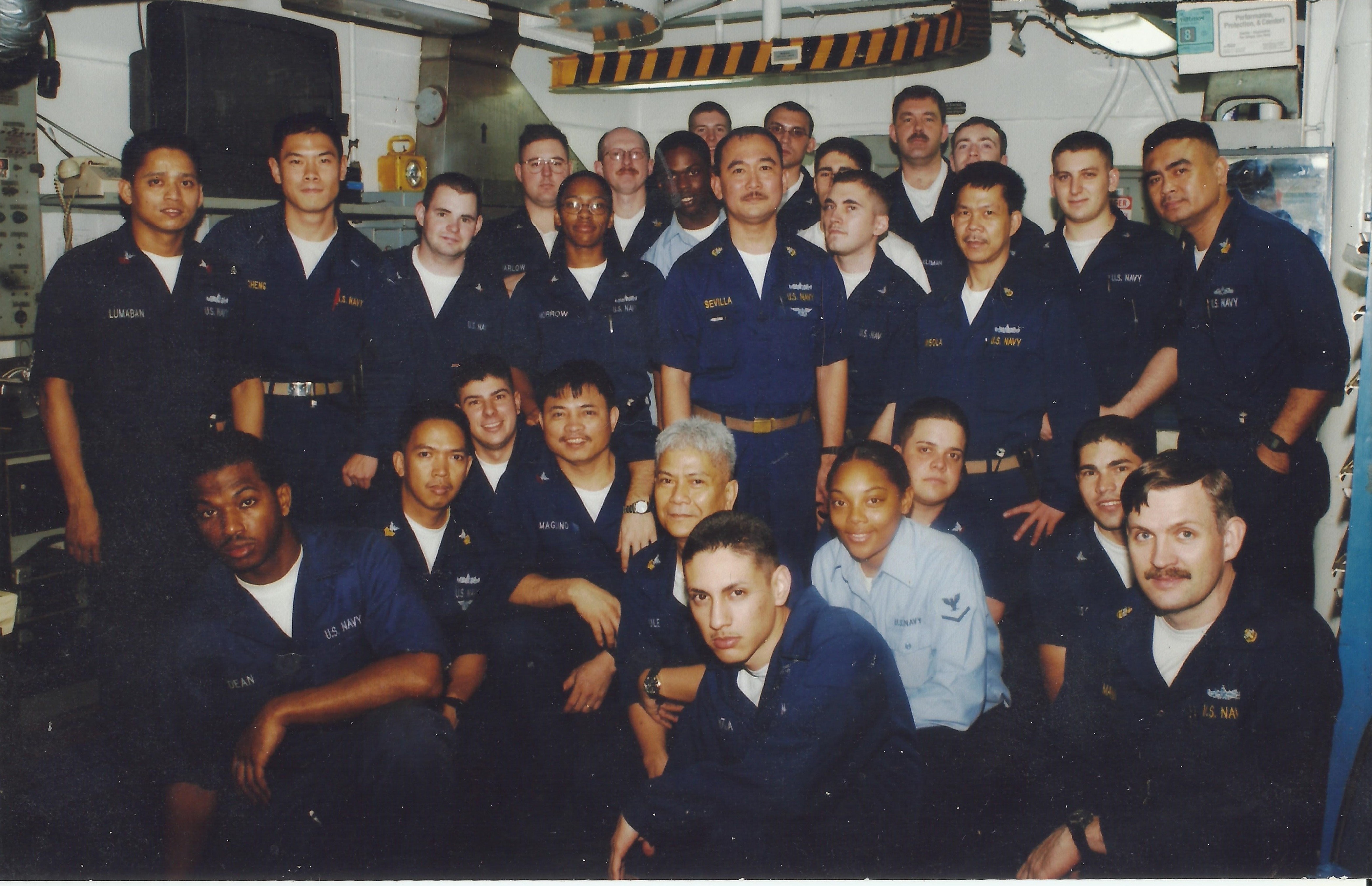
USS Carl Vinson • U.S. Navy • 2004
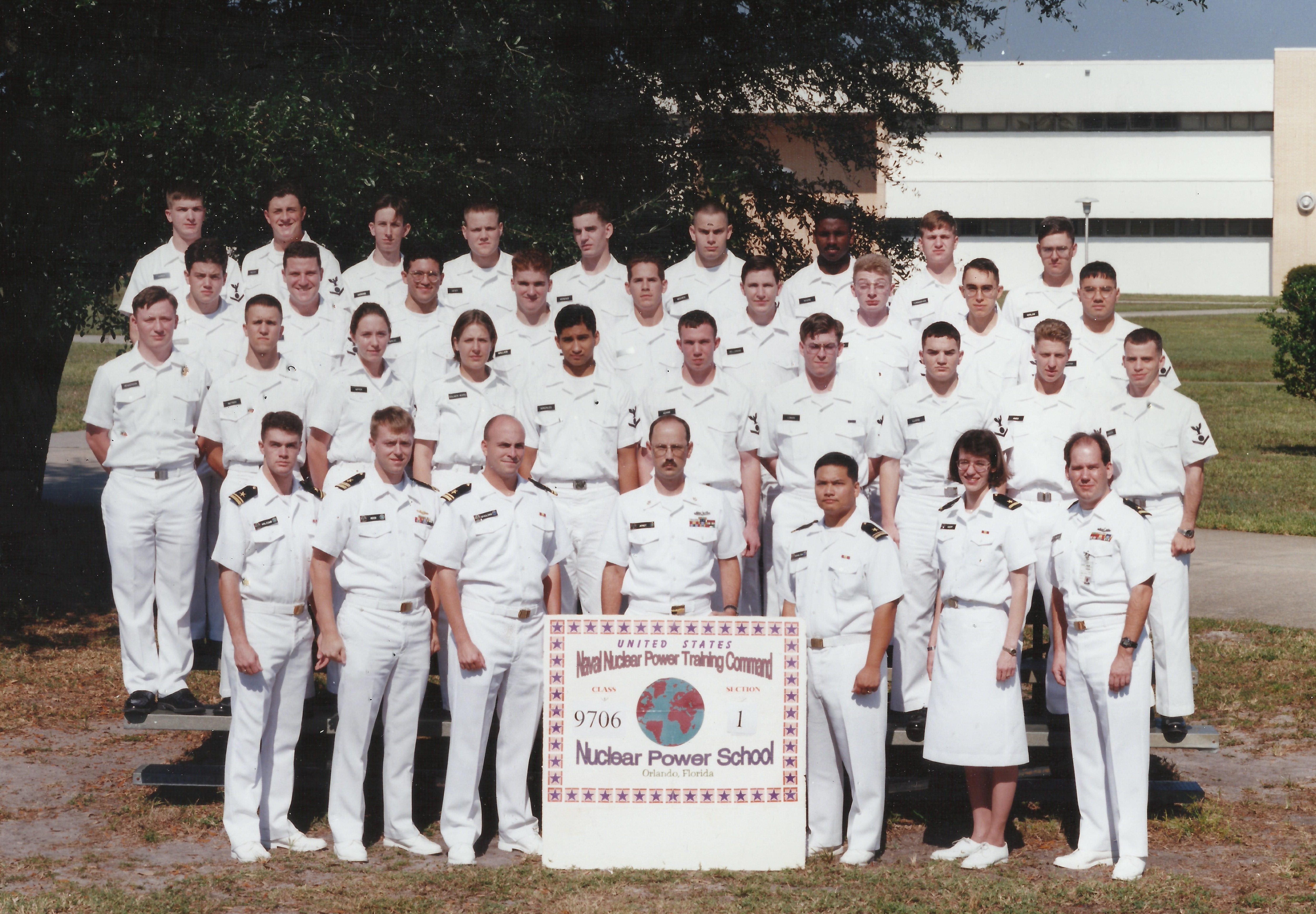
U.S. Navy • 1997
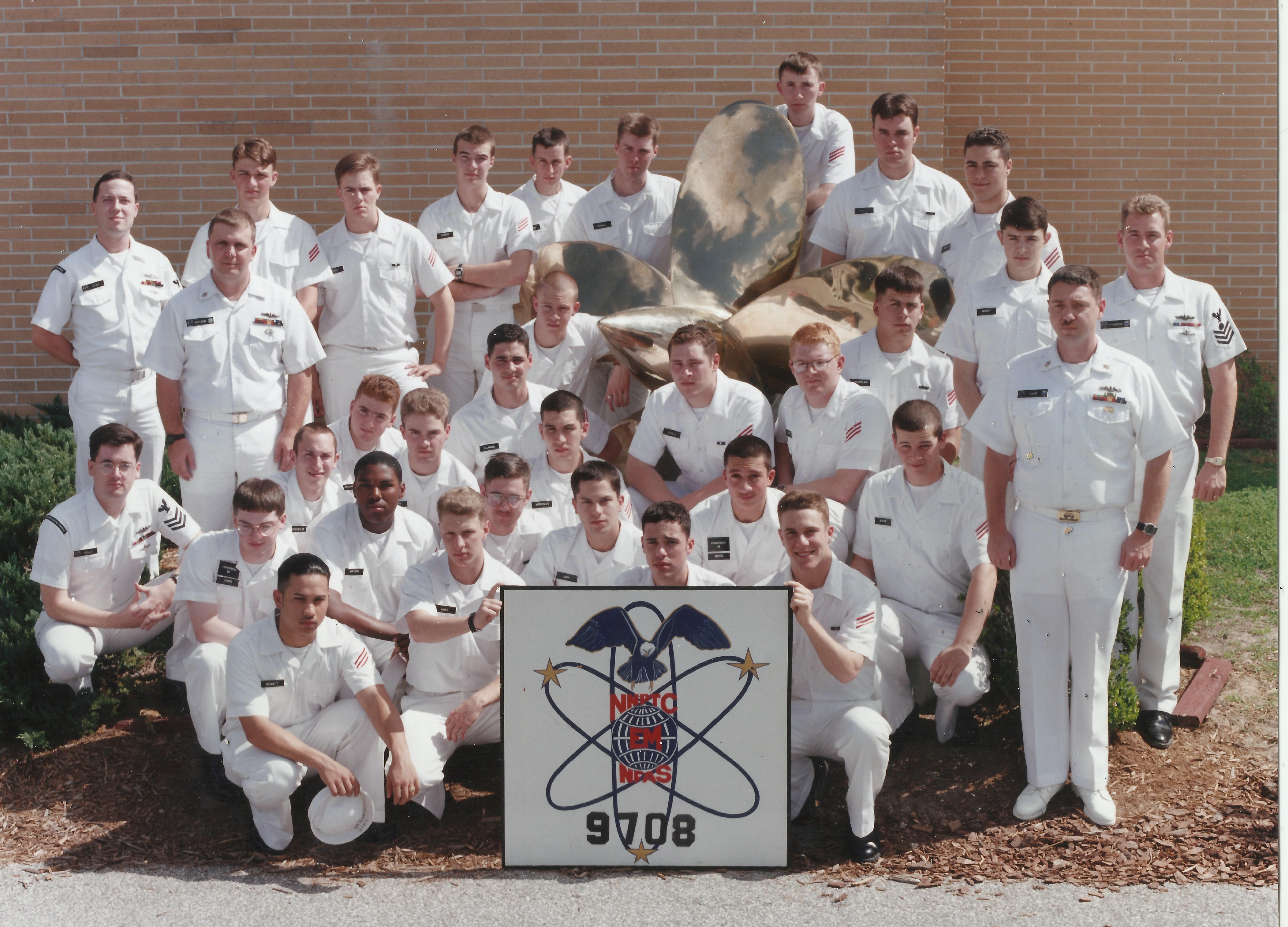
U.S. Navy • 1995