
Opening branch overview
Building the branch home surface
Loading branch highlights, featured unit context, and gallery moments.
Overview
Members
Units
Building the branch home surface
Loading branch highlights, featured unit context, and gallery moments.
Building the branch units surface
Loading unit filters, rankings, and the branch unit grid.

U.S. Navy•5 members
Relive and share the memories of your service-time with your brothers and sisters in arms today. VetFriends.com can help you reconnect.
Did you proudly serve in the COMFAIRWESTPAC ATSUGI JA?
Are you looking for someone who is or was in the COMFAIRWESTPAC ATSUGI JA?
Do you have COMFAIRWESTPAC ATSUGI JA photos you'd like to share?
Then join a community with your brothers and sisters of the COMFAIRWESTPAC ATSUGI JA.
COMFAIRWESTPAC (Commander, Fleet Air Western Pacific), Atsugi, Japan, has served as a pivotal U.S. Navy aviation command in the Western Pacific since the post-World War II era. Established to oversee and coordinate the operations, training, and maintenance of naval aviation units in the region, COMFAIRWESTPAC played a crucial role during the Korean and Vietnam Wars, providing logistical and operational support. Stationed at Naval Air Facility Atsugi, the command acted as a hub for carrier air wing deployments and maritime patrol missions, contributing to regional security and U.S. interests in Asia. Over the decades, COMFAIRWESTPAC adapted to evolving strategic priorities before its eventual disestablishment and the realignment of its functions under new command structures.
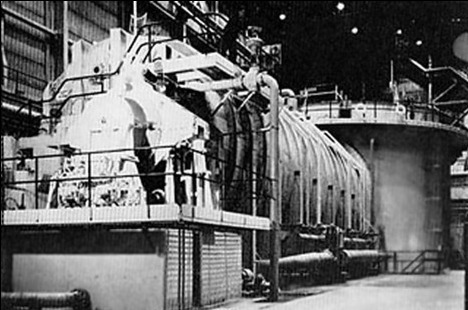
NPTU IDAHO • U.S. Navy • 1972
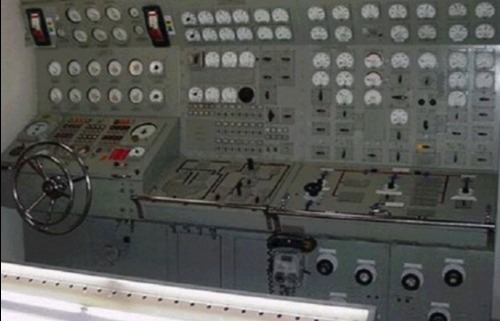
NPTU IDAHO • U.S. Navy • 1978
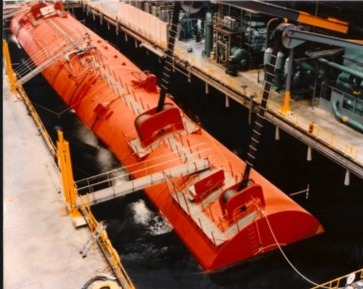
NPTU IDAHO • U.S. Navy • 1978
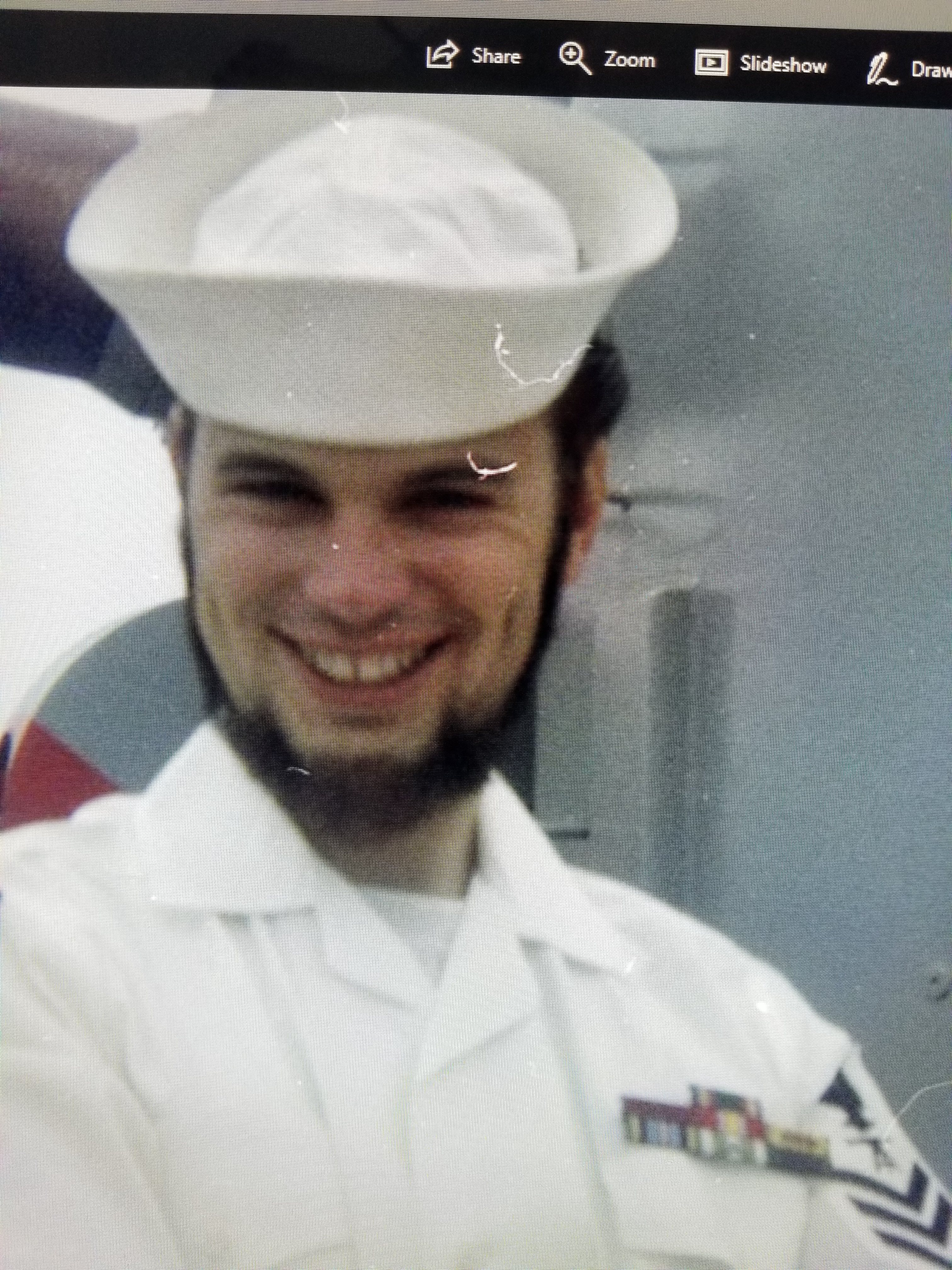
USS EDSON DD946 • U.S. Navy • 1973