
Opening branch overview
Building the branch home surface
Loading branch highlights, featured unit context, and gallery moments.
Overview
Members
Units
Building the branch home surface
Loading branch highlights, featured unit context, and gallery moments.
Building the branch units surface
Loading unit filters, rankings, and the branch unit grid.

16 members•1 unit
Relive and share the memories of your service-time with your brothers and sisters in arms today. VetFriends.com can help you reconnect.
Did you proudly serve in the Comfairmed?
Are you looking for someone who is or was in the Comfairmed?
Do you have Comfairmed photos you'd like to share?
Then join a community with your brothers and sisters of the Comfairmed.
Branch
U.S. Navy
Members
16
**Commander Fleet Air, Mediterranean (COMFAIRMED)** was a United States Navy aviation command established in the post-World War II era to oversee naval air operations in the Mediterranean Sea. Headquartered in Naples, Italy, COMFAIRMED provided operational control and support for carrier-based and land-based naval aviation units assigned to the U.S. Sixth Fleet. Its primary missions included maritime patrol, anti-submarine warfare, search and rescue, and coordination with NATO allies during the Cold War. The command played a critical role in projecting American air power and maintaining maritime security in the Mediterranean region until its deactivation in the late 20th century.
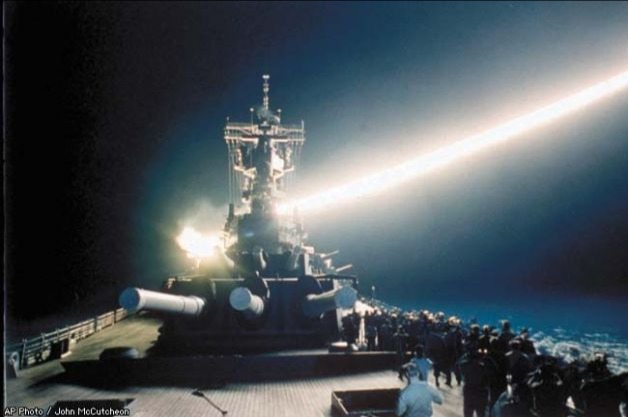
U.S. Navy • 1991
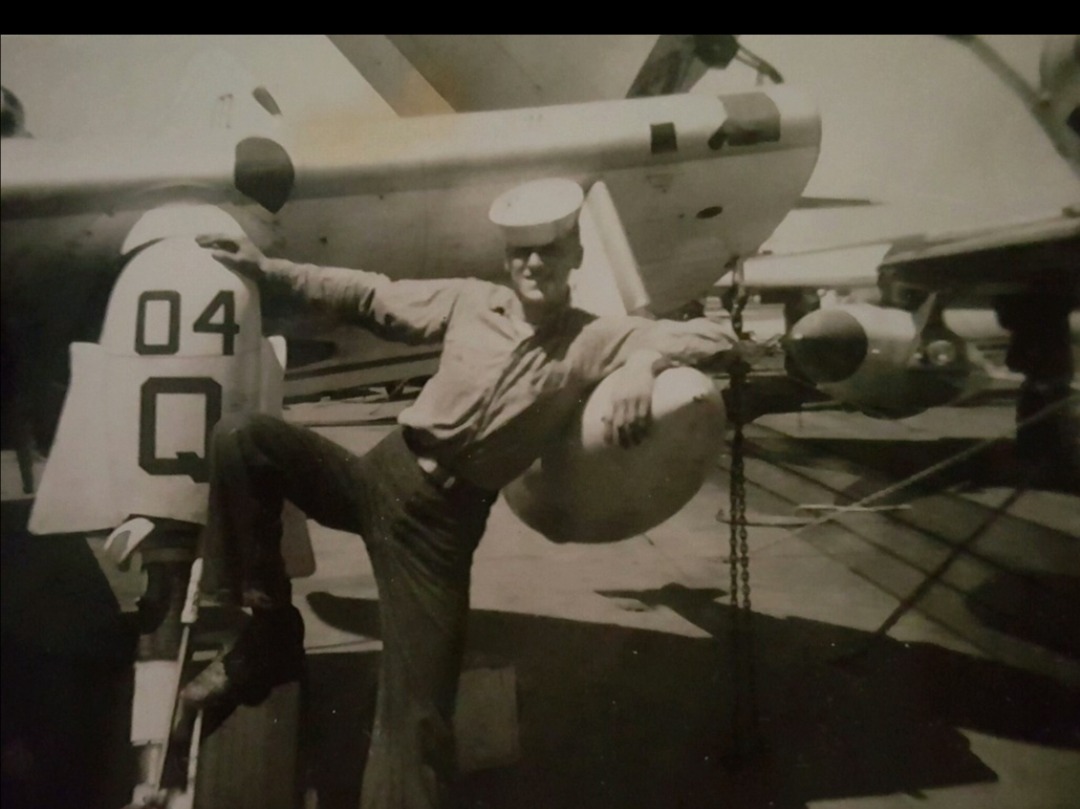
U.S. Navy
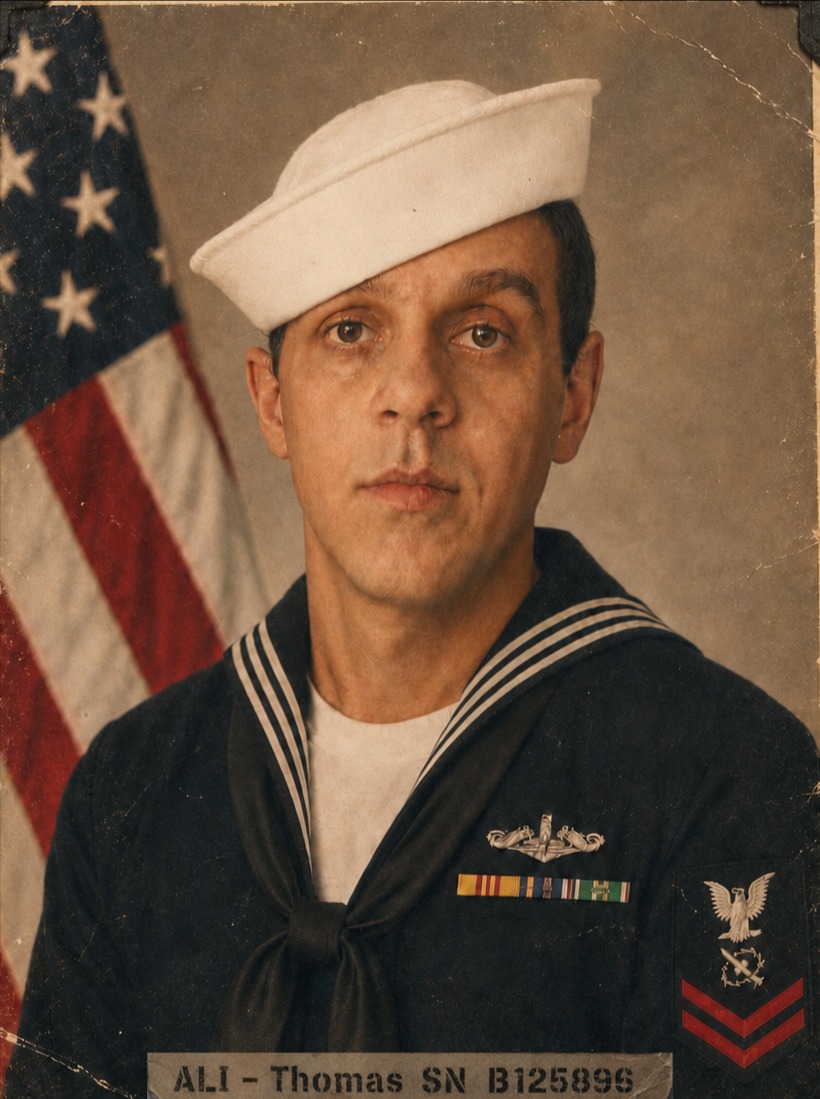
WEAPONS • U.S. Navy • 1968
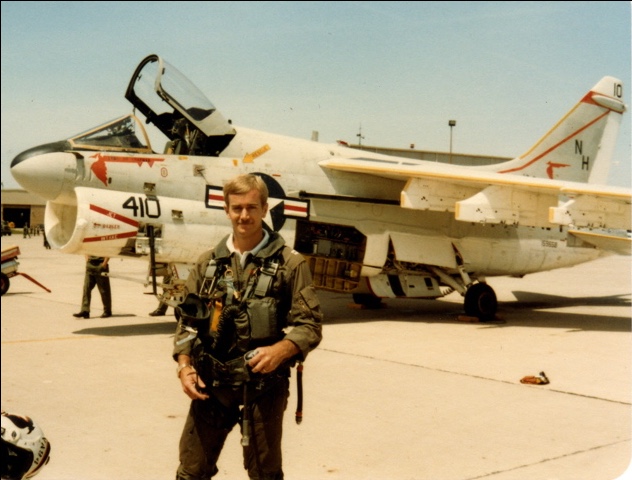
U.S. Navy