
Opening branch overview
Building the branch home surface
Loading branch highlights, featured unit context, and gallery moments.
Overview
Members
Units
Building the branch home surface
Loading branch highlights, featured unit context, and gallery moments.
Building the branch units surface
Loading unit filters, rankings, and the branch unit grid.

U.S. Navy•19 members
Relive and share the memories of your service-time with your brothers and sisters in arms today. VetFriends.com can help you reconnect.
Did you proudly serve in the COMCRUDESPAC?
Are you looking for someone who is or was in the COMCRUDESPAC?
Do you have COMCRUDESPAC photos you'd like to share?
Then join a community with your brothers and sisters of the COMCRUDESPAC.
**COMCRUDESPAC** stands for **Commander, Cruiser-Destroyer Force, Pacific Fleet**, a United States Navy command responsible for overseeing cruisers and destroyers in the Pacific theater. Established during the Cold War, COMCRUDESPAC played a crucial role in coordinating surface warfare operations, training, and readiness for the Pacific Fleet’s surface combatants. The command managed task group formations, deployed forces for exercises and real-world contingencies, and contributed to naval strategy during key events such as the Vietnam War. In the late 20th century, the command structure evolved, eventually being reorganized under broader surface warfare commands as the Navy streamlined its operational forces.
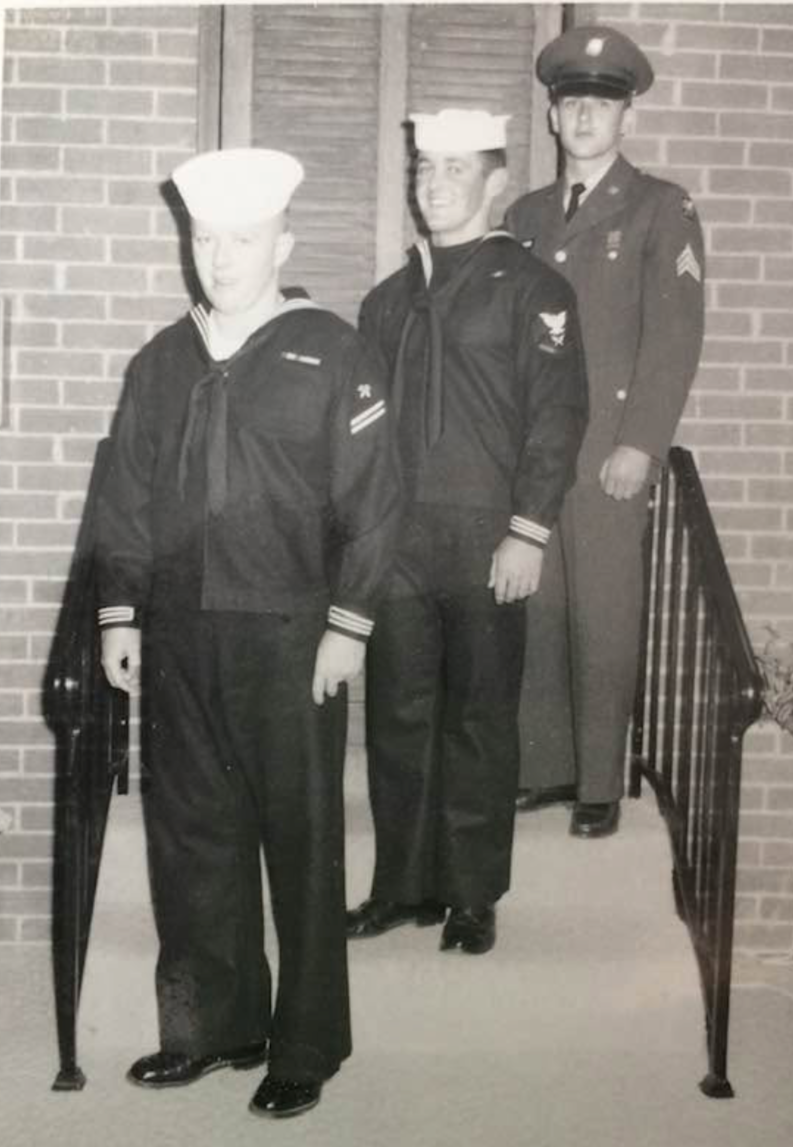
U.S. Navy • 1967
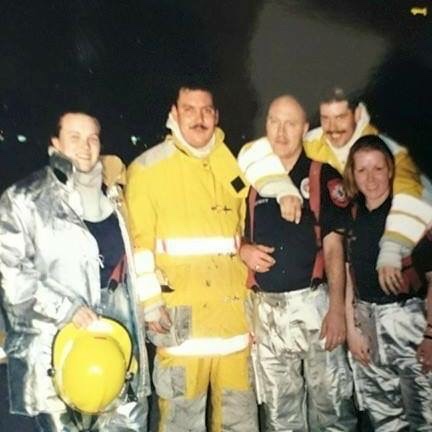
U.S. Navy
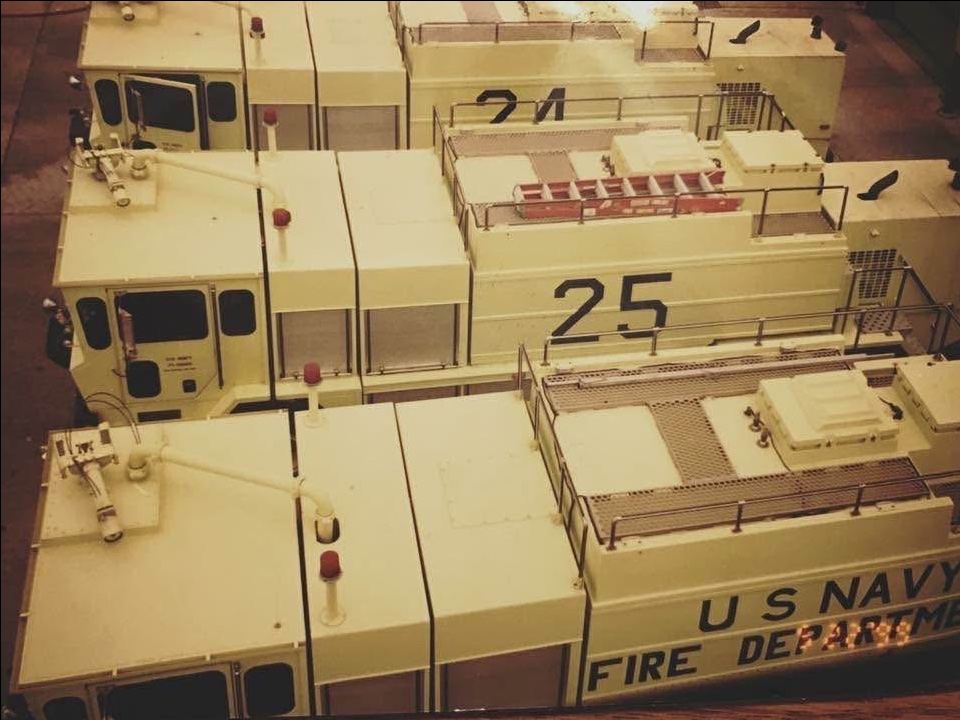
U.S. Navy
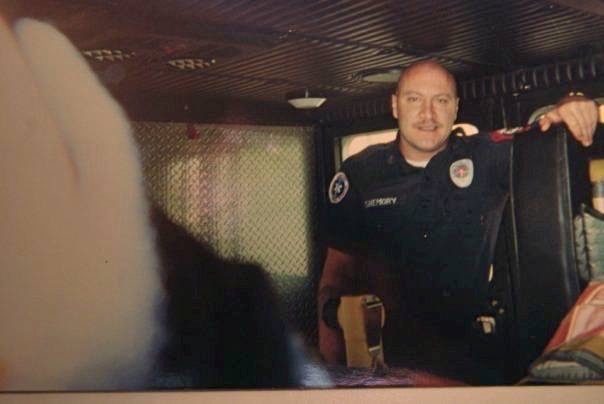
U.S. Navy