
Opening branch overview
Building the branch home surface
Loading branch highlights, featured unit context, and gallery moments.
Overview
Members
Units
Building the branch home surface
Loading branch highlights, featured unit context, and gallery moments.
Building the branch units surface
Loading unit filters, rankings, and the branch unit grid.

2 members•1 unit
Relive and share the memories of your service-time with your brothers and sisters in arms today. VetFriends.com can help you reconnect.
Did you proudly serve in the COMASWGRU3?
Are you looking for someone who is or was in the COMASWGRU3?
Do you have COMASWGRU3 photos you'd like to share?
Then join a community with your brothers and sisters of the COMASWGRU3.
Branch
U.S. Navy
Members
2
COMASWGRU3 stands for Commander, Anti-Submarine Warfare Group 3, a United States Navy unit that played a significant role during the Cold War era. Established in the 1960s, COMASWGRU3 was tasked with coordinating and directing anti-submarine warfare (ASW) operations in the Atlantic, focusing on countering the growing threat of Soviet submarines. The group comprised various surface ships, aircraft, and support elements, frequently participating in major NATO exercises and patrols. Through its efforts, COMASWGRU3 contributed to maintaining the balance of naval power and safeguarding vital sea lanes during a critical period of superpower rivalry.
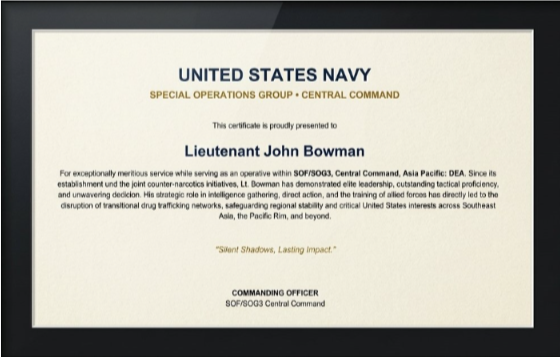
U.S. Navy
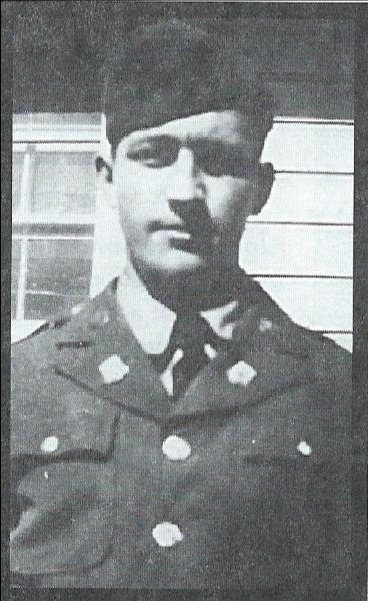
U.S. Navy
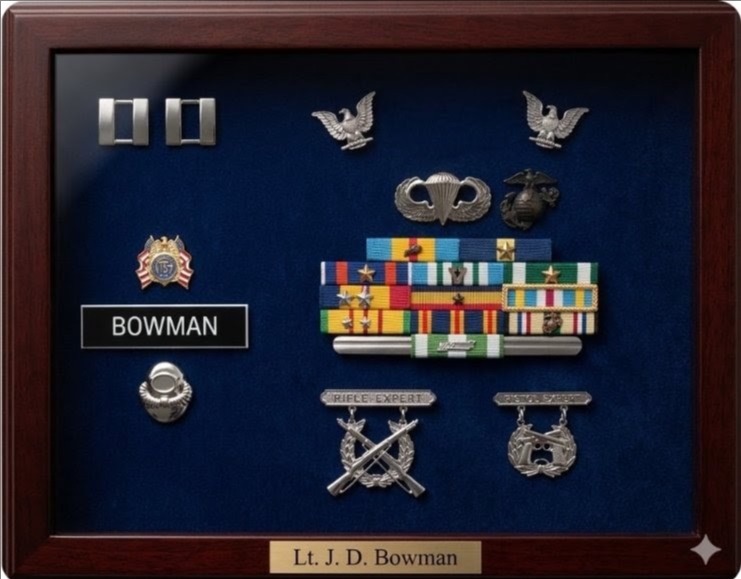
U.S. Navy
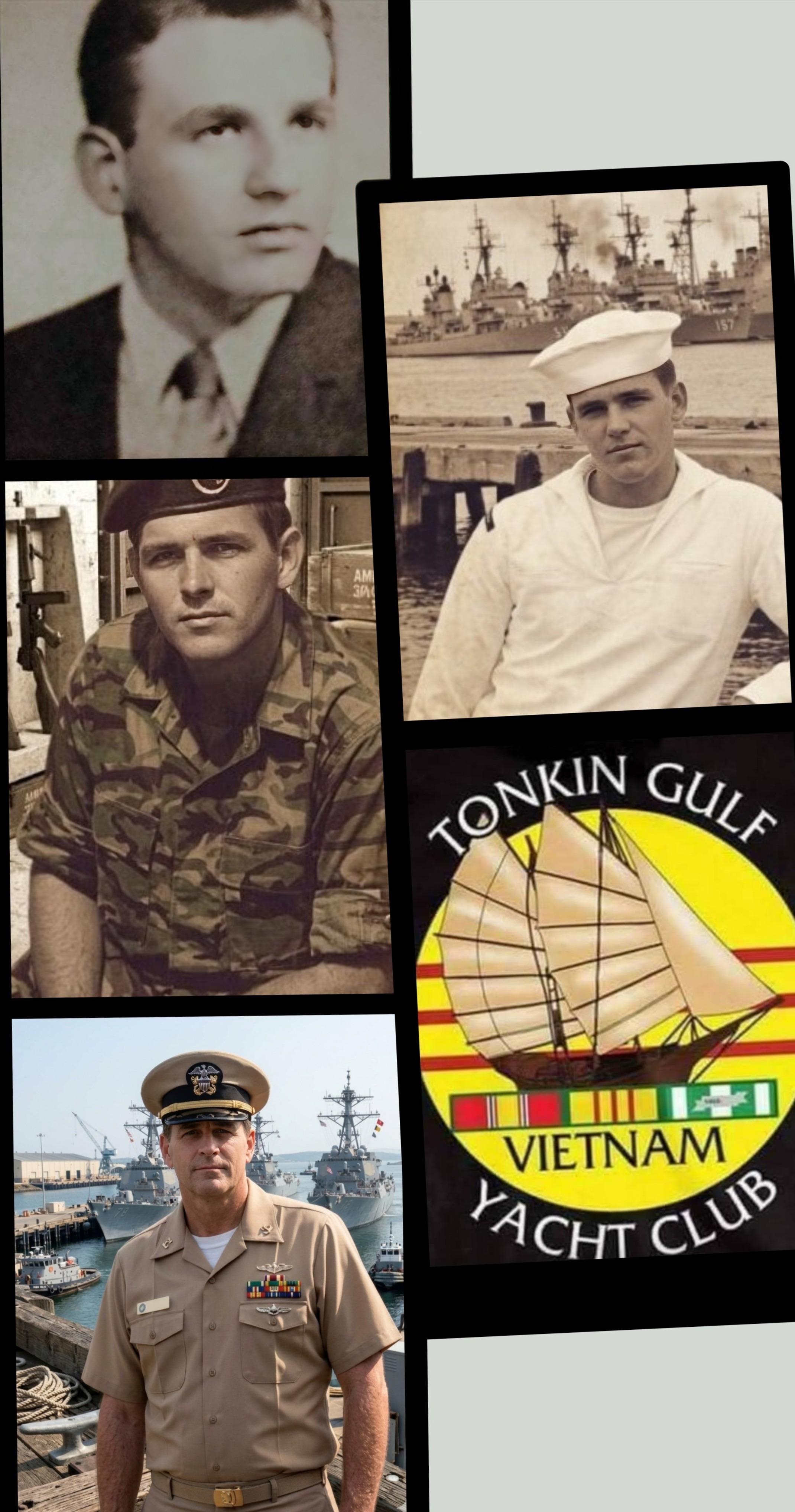
U.S. Navy