
Opening branch overview
Building the branch home surface
Loading branch highlights, featured unit context, and gallery moments.
Overview
Members
Units
Building the branch home surface
Loading branch highlights, featured unit context, and gallery moments.
Building the branch units surface
Loading unit filters, rankings, and the branch unit grid.

U.S. Navy•8 members
Relive and share the memories of your service-time with your brothers and sisters in arms today. VetFriends.com can help you reconnect.
Did you proudly serve in the CINCPACHQ?
Are you looking for someone who is or was in the CINCPACHQ?
Do you have CINCPACHQ photos you'd like to share?
Then join a community with your brothers and sisters of the CINCPACHQ.
**CINCPACHQ**, or Commander in Chief, Pacific Headquarters, was the principal headquarters of the United States Pacific Command during World War II and the early Cold War. Established in Honolulu, Hawaii, CINCPACHQ coordinated joint operations for the U.S. Army, Navy, Air Force, and Marine Corps across the vast Pacific theater. Under the leadership of Admiral Chester W. Nimitz, the headquarters played a critical role in planning and directing major campaigns, including the island-hopping strategy that led to victory over Japan. After the war, CINCPACHQ continued to serve as the command center for U.S. military operations in the Asia-Pacific region, adapting to the evolving strategic landscape of the postwar era.
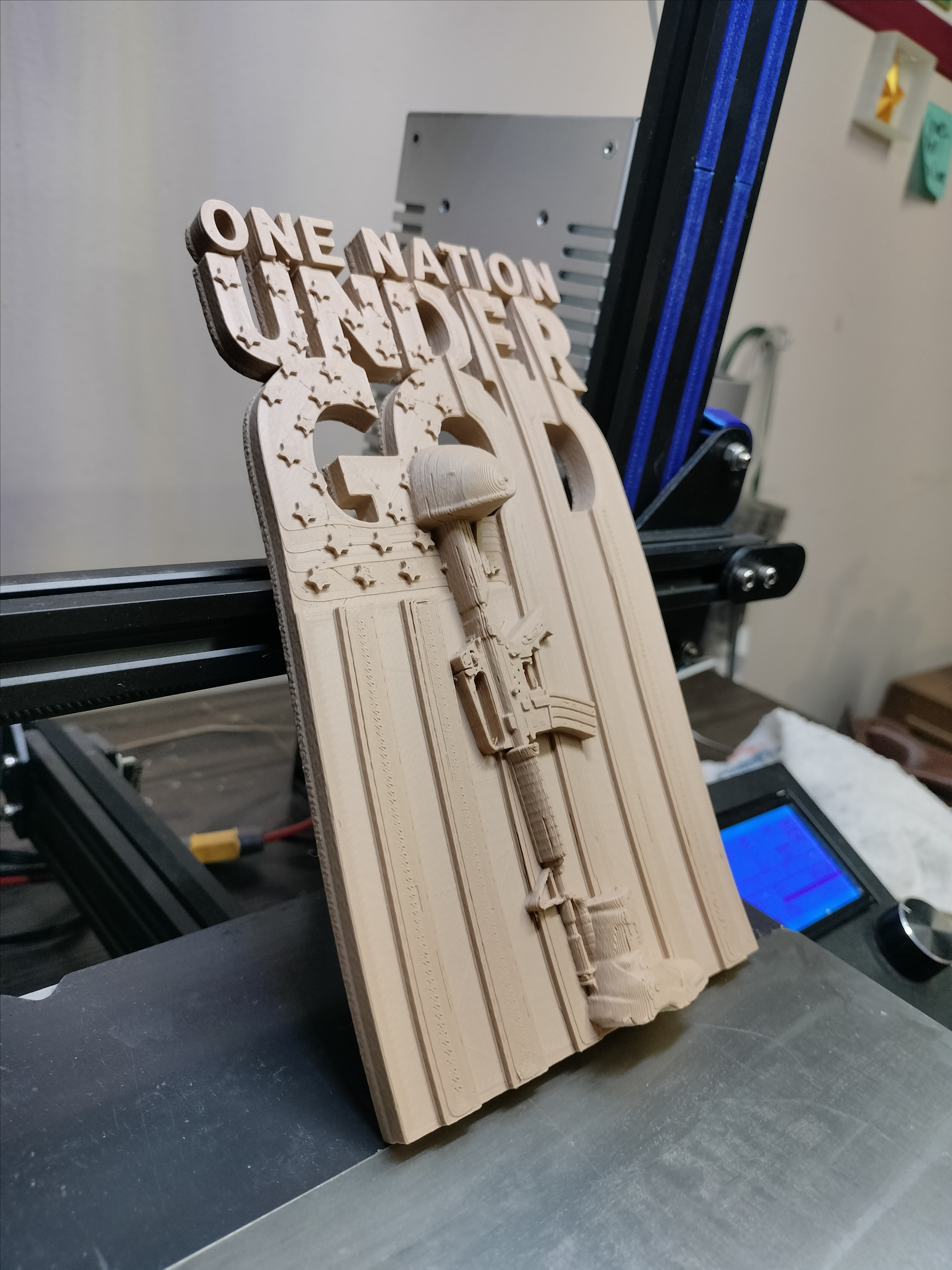
Brownwater Navy Vietnam • U.S. Navy • 2023
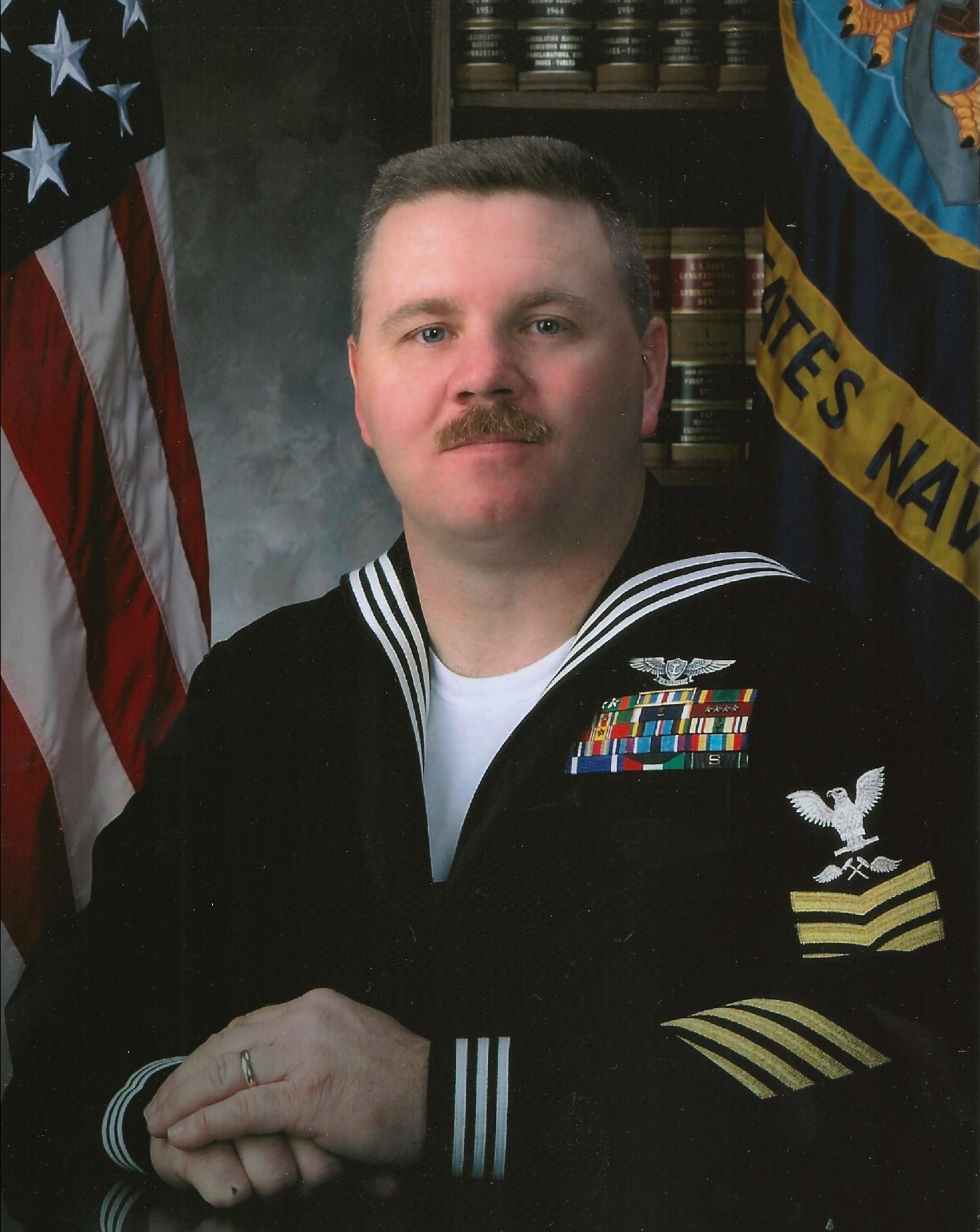
AIMD CORPUS CHRISTI • U.S. Navy • 2001
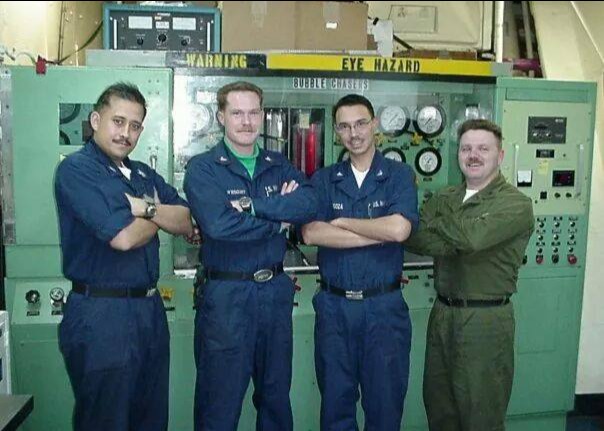
U.S. Navy
U.S. Navy