
Opening branch overview
Building the branch home surface
Loading branch highlights, featured unit context, and gallery moments.
Overview
Members
Units
Building the branch home surface
Loading branch highlights, featured unit context, and gallery moments.
Building the branch units surface
Loading unit filters, rankings, and the branch unit grid.

23 members•1 unit
Relive and share the memories of your service-time with your brothers and sisters in arms today. VetFriends.com can help you reconnect.
Did you proudly serve in the Chaplain?
Are you looking for someone who is or was in the Chaplain?
Do you have Chaplain photos you'd like to share?
Then join a community with your brothers and sisters of the Chaplain.
Branch
U.S. Navy
Members
23
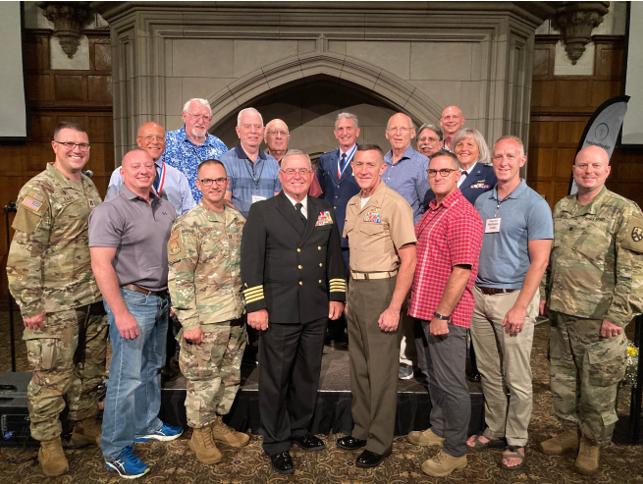
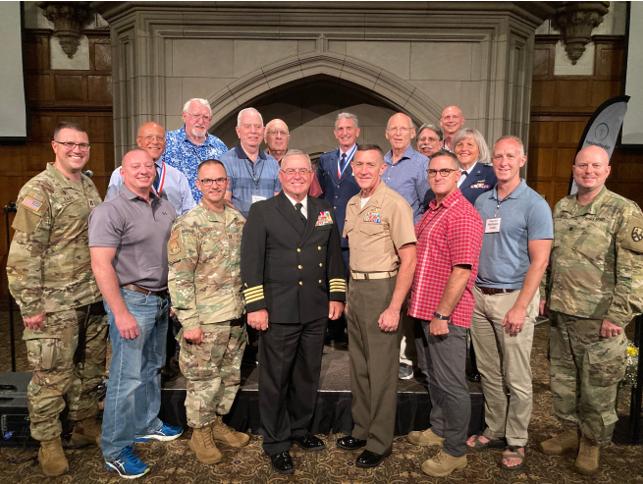
The military Chaplain is a unique unit whose origins trace back to ancient armies, where spiritual leaders provided religious support on the battlefield. In modern times, chaplains became officially recognized as part of military organizations during the 18th and 19th centuries, notably within the British and American armed forces. Their primary role is to offer spiritual care, moral guidance, and counseling to service members of all faiths, often serving in combat zones alongside troops. Throughout history, military chaplains have been honored for their courage, compassion, and commitment to the wellbeing of soldiers, regardless of religious affiliation.
U.S. Navy
U.S. Navy
U.S. Navy