
Opening branch overview
Building the branch home surface
Loading branch highlights, featured unit context, and gallery moments.
Overview
Members
Units
Building the branch home surface
Loading branch highlights, featured unit context, and gallery moments.
Building the branch units surface
Loading unit filters, rankings, and the branch unit grid.

6 members•1 unit
Relive and share the memories of your service-time with your brothers and sisters in arms today. VetFriends.com can help you reconnect.
Did you proudly serve in the CBU-411?
Are you looking for someone who is or was in the CBU-411?
Do you have CBU-411 photos you'd like to share?
Then join a community with your brothers and sisters of the CBU-411.
Branch
U.S. Navy
Members
6
CBU-411, or Combat Battalion Unit 411, is a United States Navy Seabee unit established in the aftermath of World War II to support the expanding infrastructure needs of the U.S. military. The unit has played a critical role in constructing and maintaining naval facilities, airfields, and support structures in both peacetime and conflict zones. Over the decades, CBU-411 has deployed to locations across the globe, including the Pacific and Middle East, providing vital engineering, construction, and disaster relief support. Their contributions have been recognized as integral to the success of numerous operations, reflecting the Seabee motto, "We Build, We Fight."
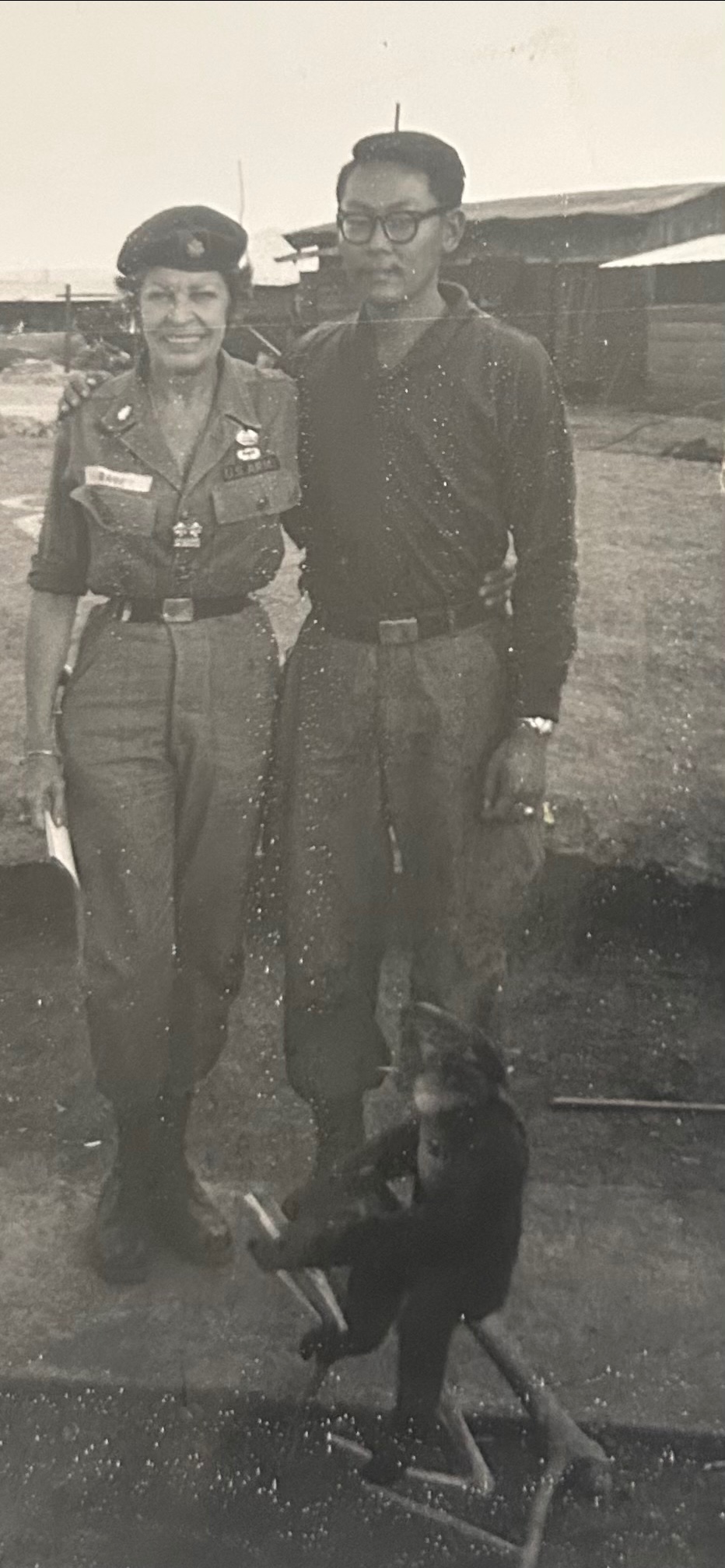
U.S. Navy

U.S. Navy

U.S. Navy
U.S. Navy