
Opening branch overview
Building the branch home surface
Loading branch highlights, featured unit context, and gallery moments.
Overview
Members
Units
Building the branch home surface
Loading branch highlights, featured unit context, and gallery moments.
Building the branch units surface
Loading unit filters, rankings, and the branch unit grid.

U.S. Navy•7 members
Relive and share the memories of your service-time with your brothers and sisters in arms today. VetFriends.com can help you reconnect.
Did you proudly serve in the CBU-410?
Are you looking for someone who is or was in the CBU-410?
Do you have CBU-410 photos you'd like to share?
Then join a community with your brothers and sisters of the CBU-410.
**CBU-410** (Construction Battalion Unit 410), known as the "Charging Bulls," is a United States Navy Seabee unit established in the early 1970s. Tasked primarily with expeditionary construction, CBU-410 has supported both combat and humanitarian missions worldwide, including deployments to the Middle East and the Pacific. The unit specializes in rapid airfield repair, base construction, and disaster relief operations, often working alongside Marine and Army units. Over the decades, CBU-410 has earned multiple commendations for its vital contributions to Operation Desert Storm and humanitarian relief efforts after major natural disasters.
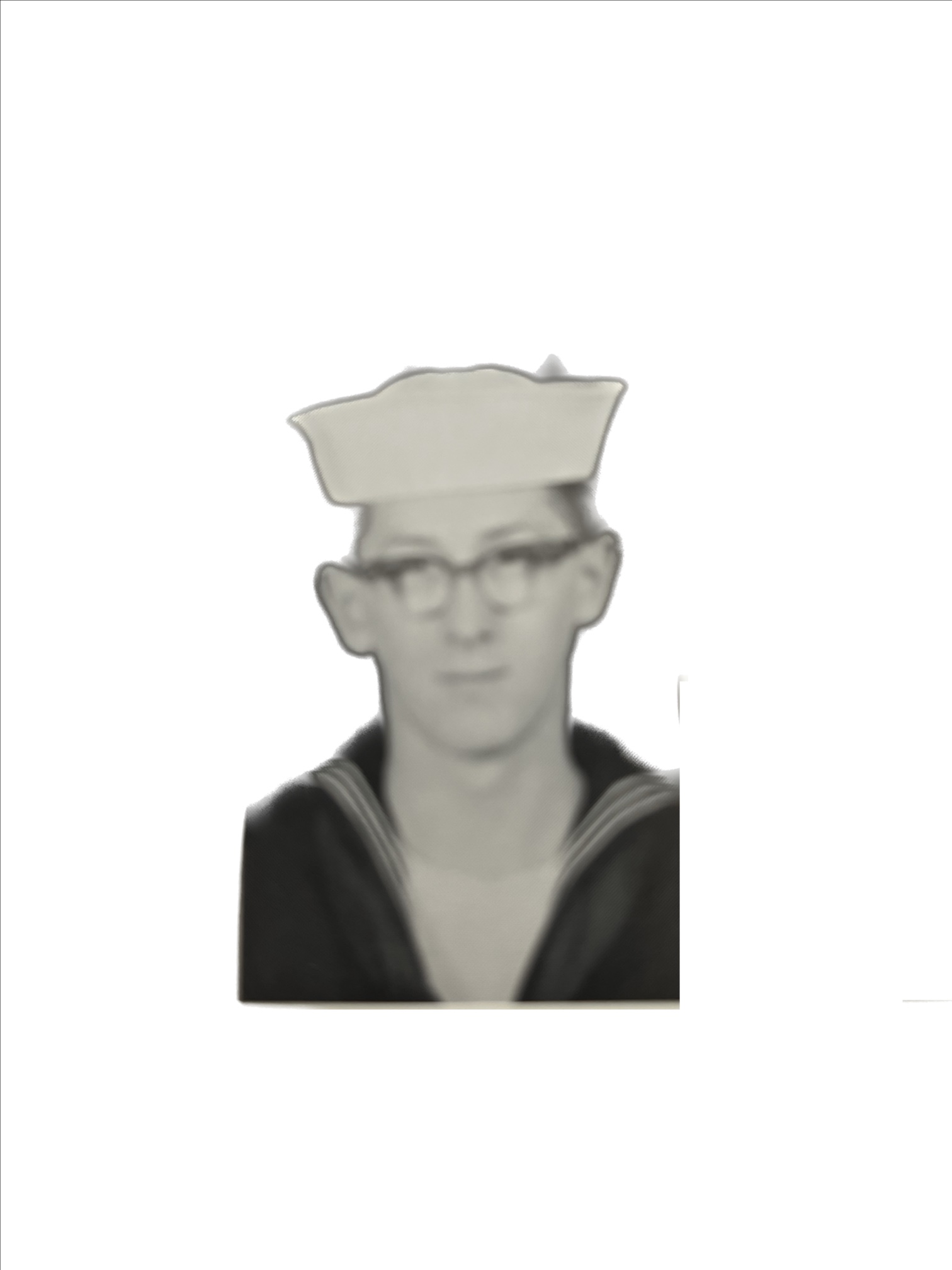
U.S. Navy • 1967

U.S. Navy
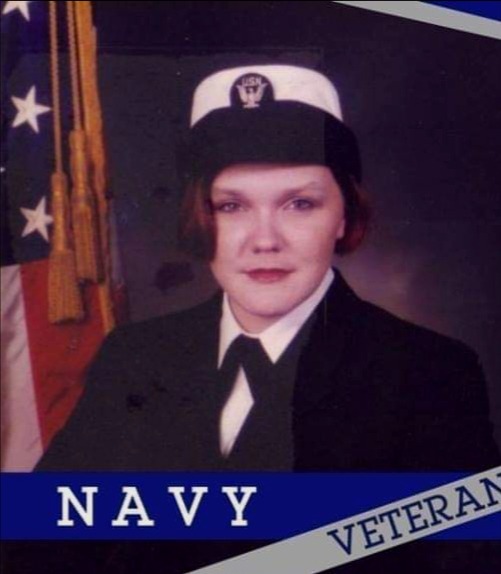
U.S. Navy

U.S. Navy