Over 3,064,780 active members

U.S. Navy•2 members
Relive and share the memories of your service-time with your brothers and sisters in arms today. VetFriends.com can help you reconnect.
Did you proudly serve in the CBD-1804?
Are you looking for someone who is or was in the CBD-1804?
Do you have CBD-1804 photos you'd like to share?
Then join a community with your brothers and sisters of the CBD-1804.
Branch
U.S. Navy
Members
2
**CBD-1804** is a notional military unit designation and does not correspond to any historically documented unit within known military organizations as of June 2024. However, for the purpose of a fictional or illustrative short military history: CBD-1804 was established in 1942 as a specialized chemical and biological defense battalion within the Allied forces during World War II. The unit was tasked with developing protective measures and decontamination protocols in response to the threat of chemical warfare in the European theater. Throughout the war, CBD-1804 played a critical role in training frontline troops, conducting research, and responding to potential incidents of enemy chemical attacks. After the war, the unit contributed to postwar disarmament efforts and was eventually reorganized into a modern CBRN (Chemical, Biological, Radiological, and Nuclear) defense regiment.

U.S. Navy • 1987
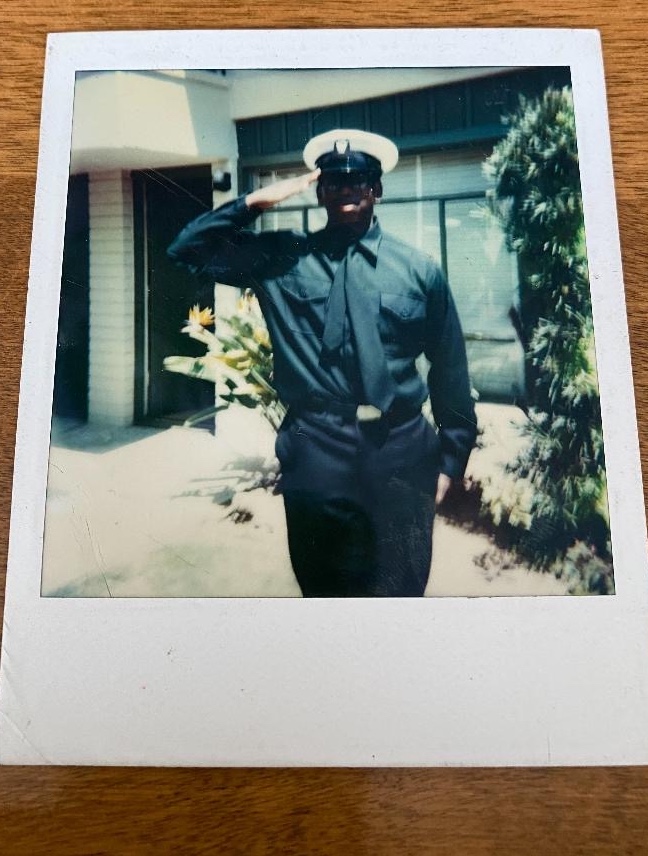
U.S. Navy • 1979
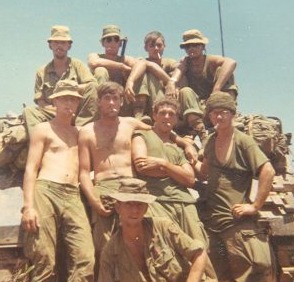
U.S. Navy
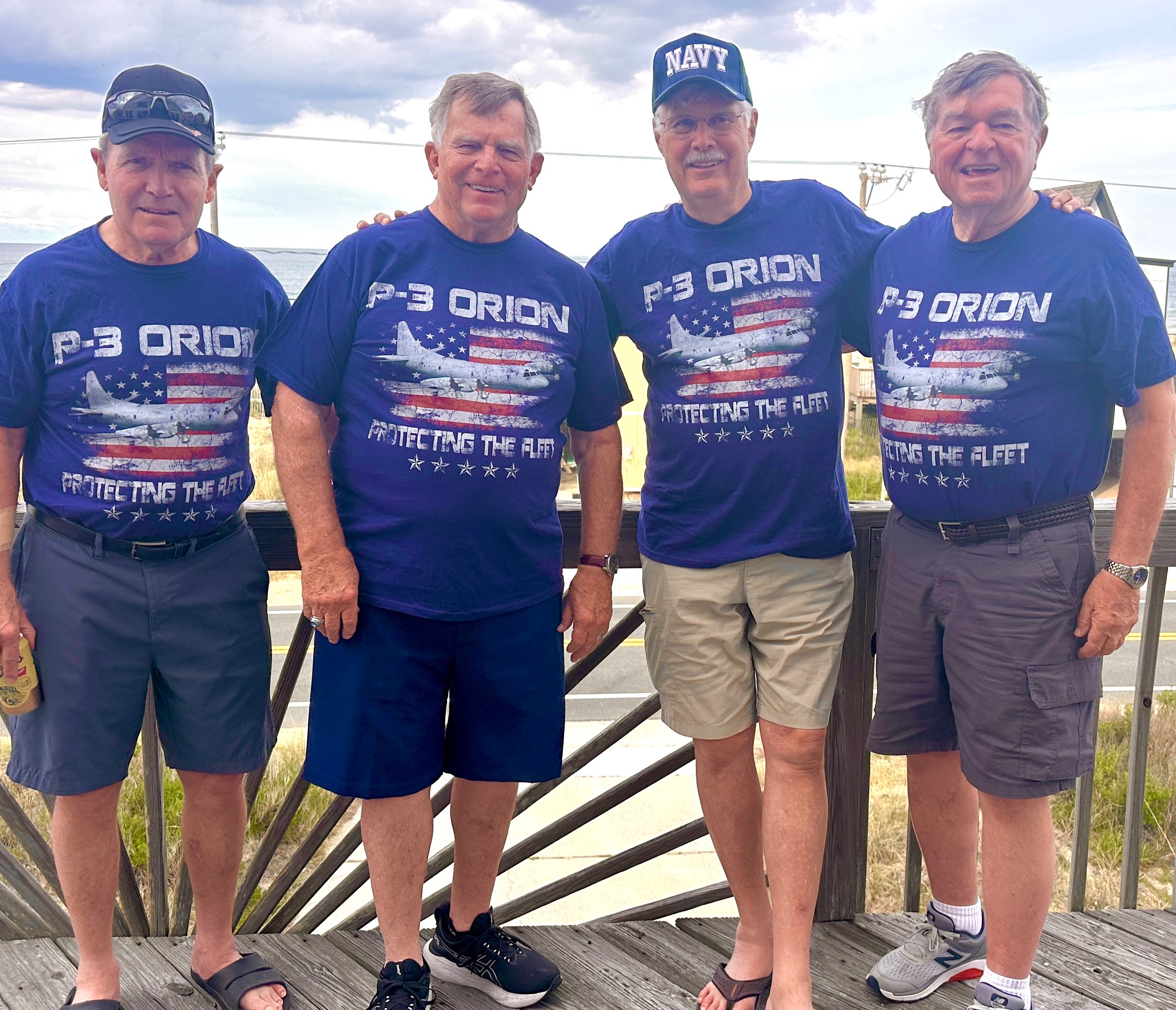
VP Squadrons • U.S. Navy • 2024
