
Opening branch overview
Building the branch home surface
Loading branch highlights, featured unit context, and gallery moments.
Overview
Members
Units
Building the branch home surface
Loading branch highlights, featured unit context, and gallery moments.
Building the branch units surface
Loading unit filters, rankings, and the branch unit grid.

U.S. Navy•65 members
Relive and share the memories of your service-time with your brothers and sisters in arms today. VetFriends.com can help you reconnect.
Did you proudly serve in the BMU-2?
Are you looking for someone who is or was in the BMU-2?
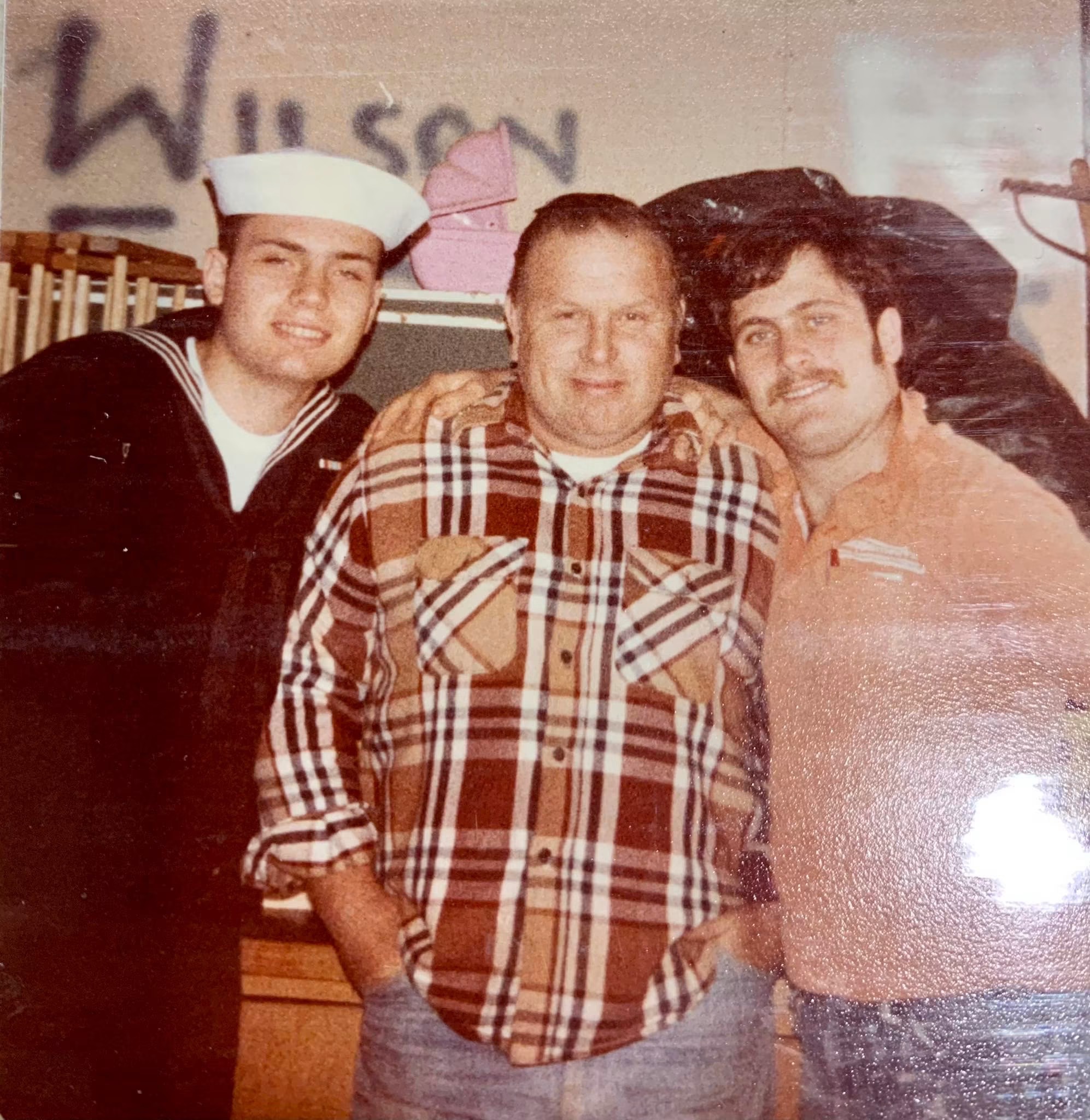
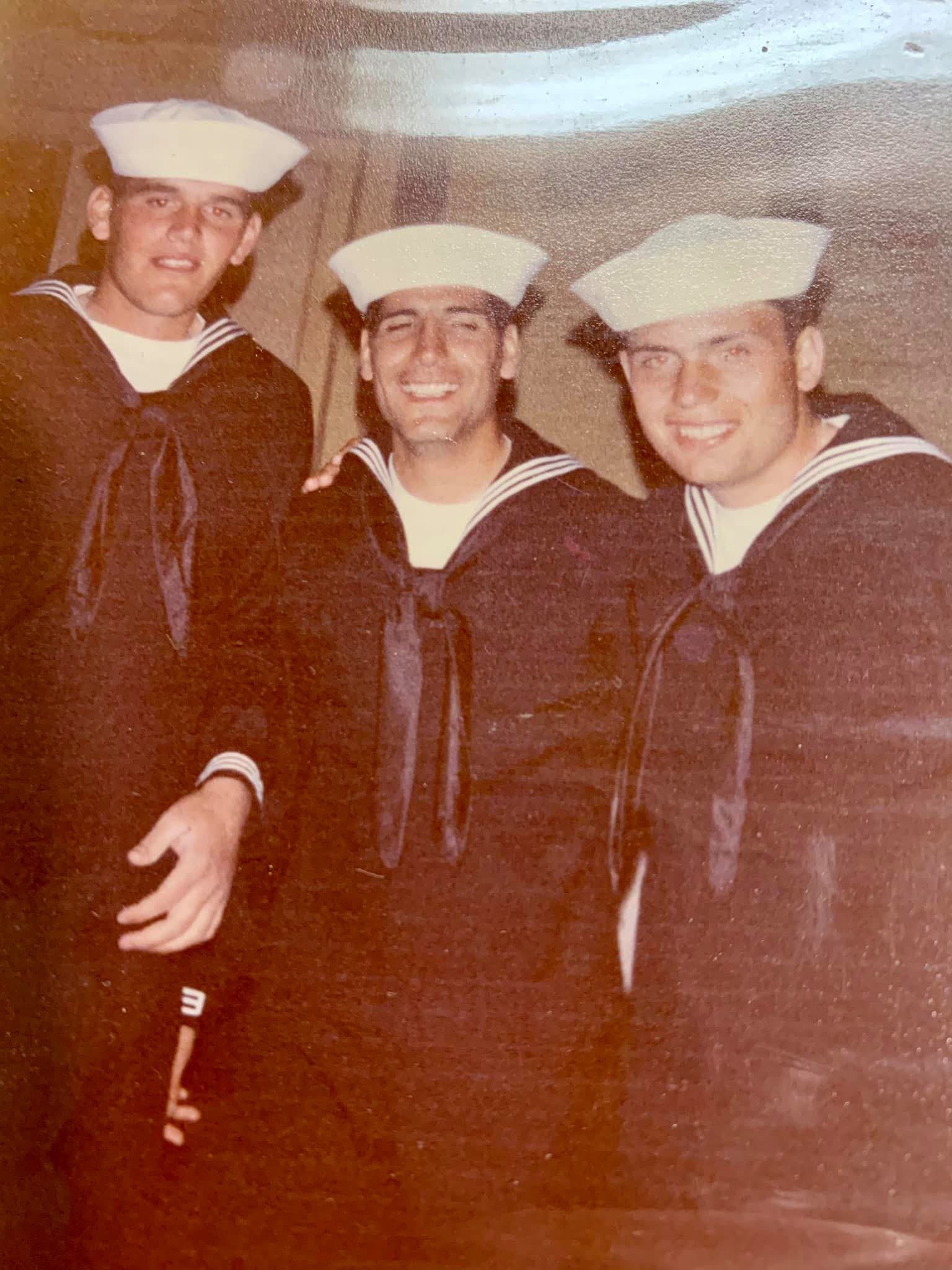
Do you have BMU-2 photos you'd like to share?
Then join a community with your brothers and sisters of the BMU-2.
**Beachmaster Unit TWO (BMU-2)** is a United States Navy expeditionary unit established in 1949 and based at Joint Expeditionary Base Little Creek-Fort Story, Virginia. Its primary mission is to provide beach control and support for amphibious landings, ensuring the seamless movement of troops, vehicles, and supplies from sea to shore. BMU-2 has played a key role in major military operations and humanitarian missions, including support during the Korean War, Vietnam War, Operations Desert Shield/Desert Storm, and disaster relief efforts worldwide. The unit continues to serve as a critical link between naval forces and the shore, maintaining readiness for rapid deployment in support of U.S. and allied operations.
U.S. Navy
U.S. Navy
U.S. Navy
U.S. Navy