
Opening branch overview
Building the branch home surface
Loading branch highlights, featured unit context, and gallery moments.
Overview
Members
Units
Building the branch home surface
Loading branch highlights, featured unit context, and gallery moments.
Building the branch units surface
Loading unit filters, rankings, and the branch unit grid.
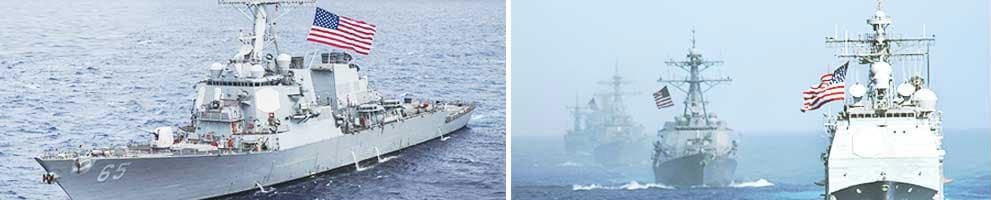
37 members•1 unit
Relive and share the memories of your service-time with your brothers and sisters in arms today. VetFriends.com can help you reconnect.
Did you proudly serve in the Balboa Naval Hospital San Diego CA?
Are you looking for someone who is or was in the Balboa Naval Hospital San Diego CA?
Do you have Balboa Naval Hospital San Diego CA photos you'd like to share?
Then join a community with your brothers and sisters of the Balboa Naval Hospital San Diego CA.
Branch
U.S. Navy
Members
37
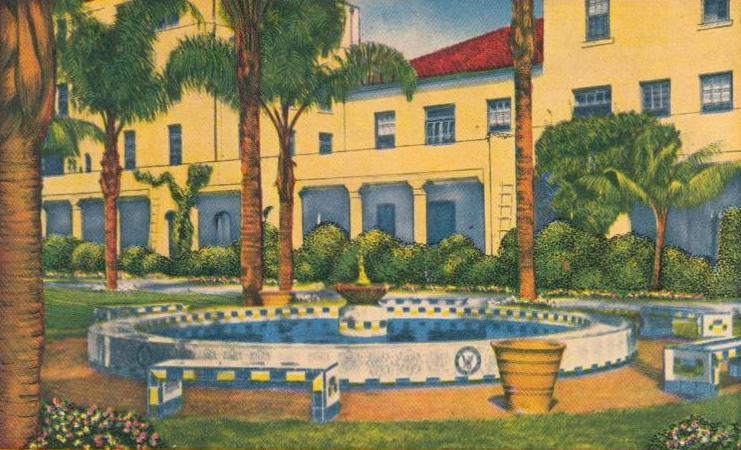
Balboa Naval Hospital, officially known as Naval Medical Center San Diego (NMCSD), traces its origins to 1917 when it was established to support the growing naval presence during World War I. Located in Balboa Park, San Diego, it rapidly expanded during World War II, becoming a crucial medical facility for treating wounded service members from the Pacific Theater. Over the decades, Balboa has continued to serve as one of the Navy’s largest and most comprehensive medical centers, providing advanced care to military personnel, retirees, and their families. Today, the hospital remains a key pillar of military medicine, renowned for its medical excellence and support to the U.S. Navy and Marine Corps.
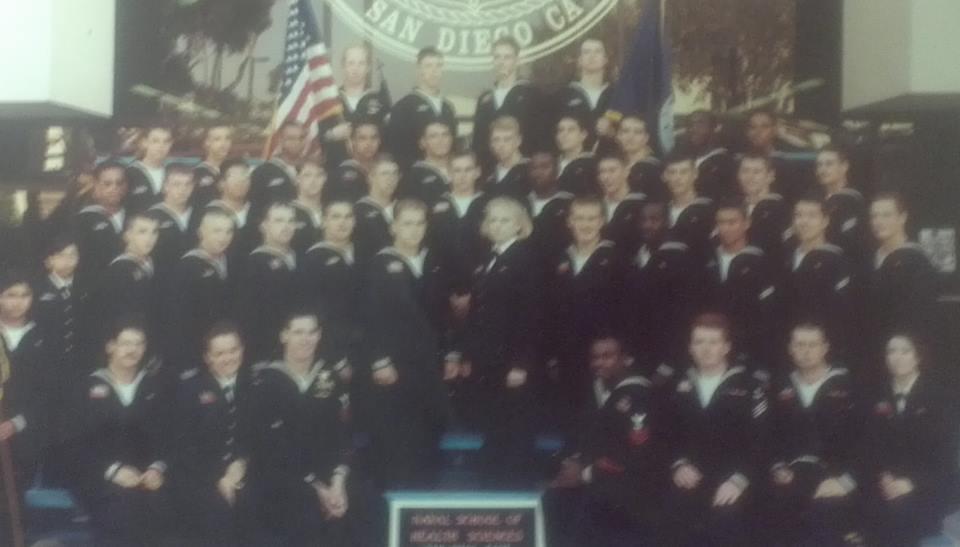
U.S. Navy • 1996
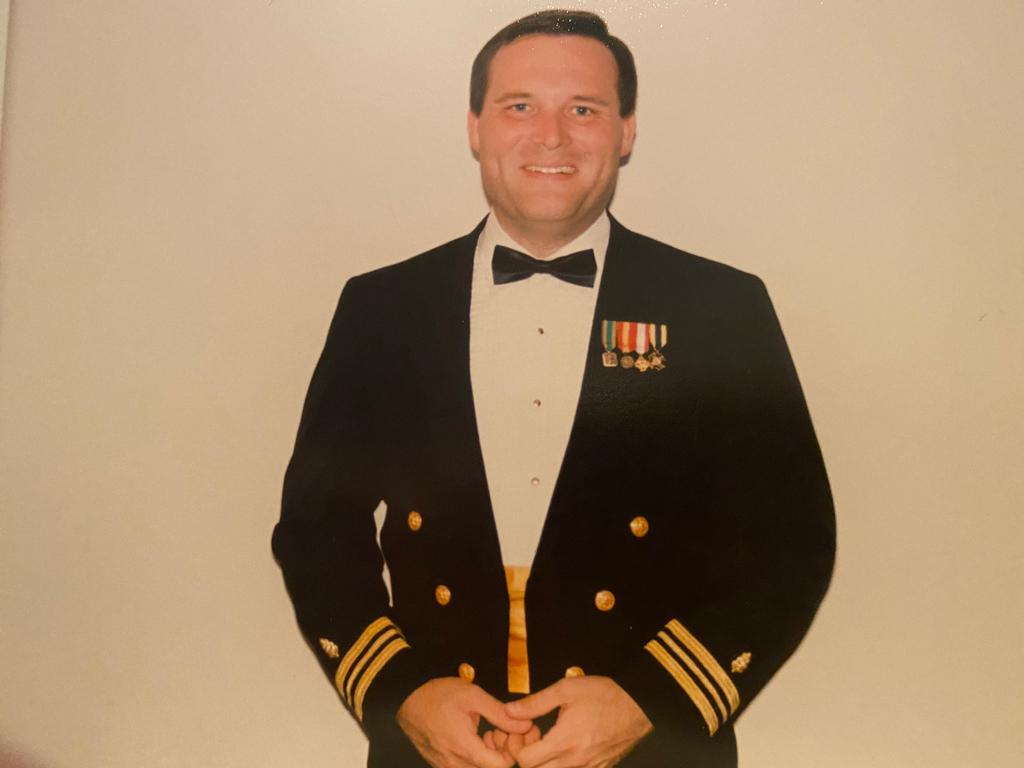
U.S. Marine Corps • 1966
U.S. Navy • 1986
U.S. Navy • 1977