
Opening branch overview
Building the branch home surface
Loading branch highlights, featured unit context, and gallery moments.
Overview
Members
Units
Building the branch home surface
Loading branch highlights, featured unit context, and gallery moments.
Building the branch units surface
Loading unit filters, rankings, and the branch unit grid.

6 members•1 unit
Relive and share the memories of your service-time with your brothers and sisters in arms today. VetFriends.com can help you reconnect.
Did you proudly serve in the Aviation Rescue Swimmer School?
Are you looking for someone who is or was in the Aviation Rescue Swimmer School?
Do you have Aviation Rescue Swimmer School photos you'd like to share?
Then join a community with your brothers and sisters of the Aviation Rescue Swimmer School.
Branch
U.S. Navy
Members
6
The Aviation Rescue Swimmer School, located at Naval Air Station Pensacola in Florida, was established in 1984 to provide specialized training for U.S. Navy and Marine Corps aviation rescue swimmers. Its inception followed the realization that dedicated, highly trained personnel were crucial for effective air-sea rescue operations. The curriculum emphasizes advanced swimming, survival, and lifesaving skills in demanding maritime environments. Over the years, the school has become renowned for its rigorous standards and has graduated thousands of rescue swimmers who serve aboard helicopters and fixed-wing aircraft worldwide, often saving lives in extreme conditions.

U.S. Navy • 1975

U.S. Navy • 1975
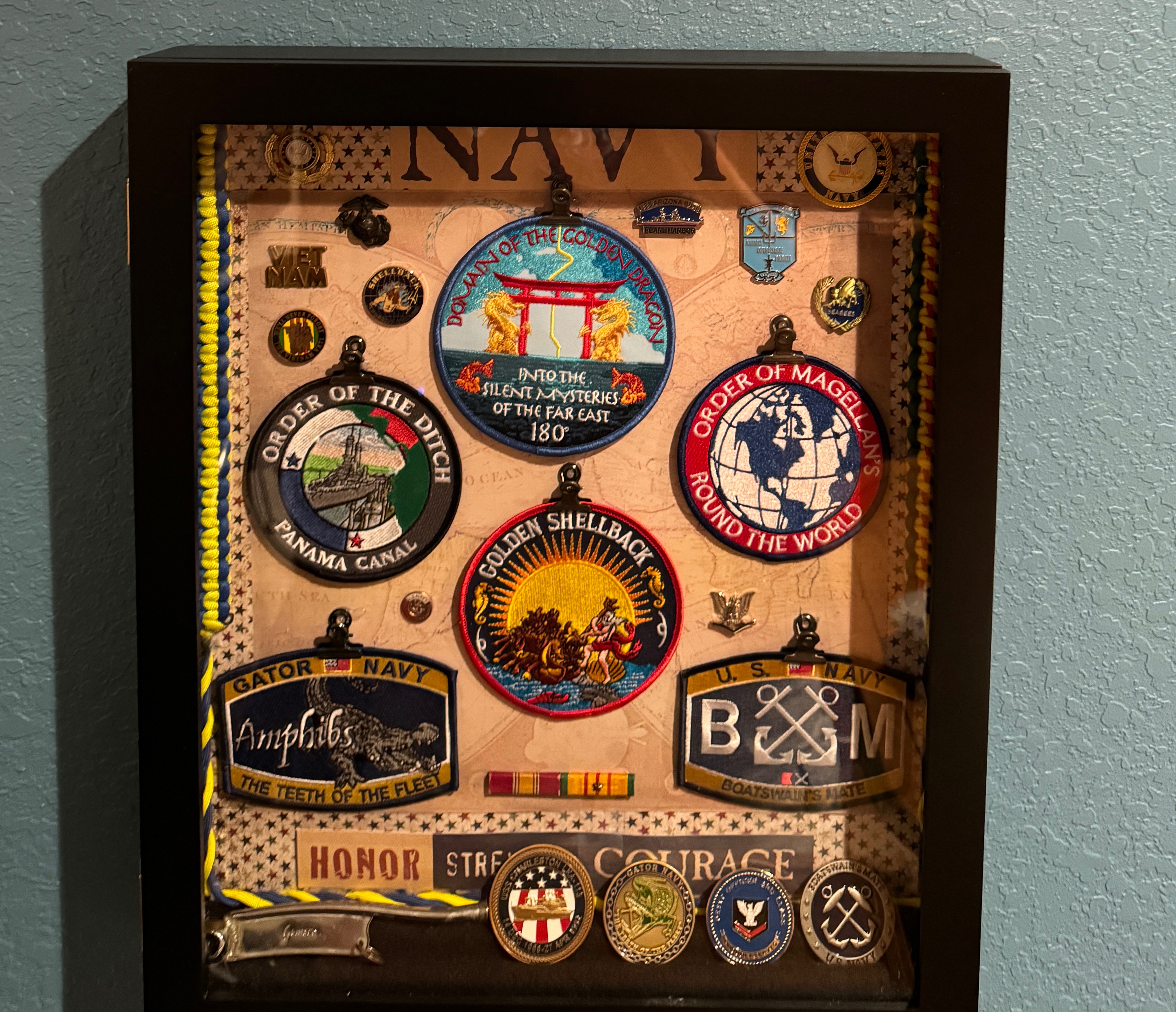
USS Charleston LKA-113 • U.S. Navy

U.S. Navy