About this Unit
**ATF157 Military Unit History:**
ATF157, known as Australian Task Force 157, was established as a composite joint task force in the early 2000s to support coalition operations in the Middle East. Drawing personnel and assets from the Australian Army, Royal Australian Navy, and Royal Australian Air Force, ATF157 conducted a range of missions including logistics, force protection, and liaison with coalition partners. The unit played a critical role in supporting Operation Catalyst (the Australian contribution to the rehabilitation and reconstruction of Iraq) from 2003 to 2008. ATF157 was recognized for its professionalism and adaptability in complex operational environments before its drawdown as part of the broader reduction of Australian forces in the region.
Historical Facts
• Formation and Purpose: ATF 157 stands for "Australian Task Force 157," a designation used for naval task groups deployed by the Royal Australian Navy, notably during the Gulf War in 1990-1991.
• Gulf War Deployment: ATF 157 was the official designation for the Australian naval contingent deployed in support of Operation Desert Shield and Desert Storm, marking Australia’s first combat deployment since the Vietnam War.
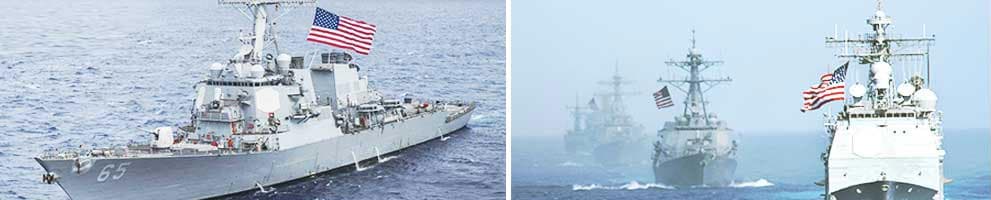
• Key Ships: The initial ATF 157 comprised HMAS Adelaide (FFG 01), HMAS Darwin (FFG 04), and the replenishment ship HMAS Success (OR 304).
• Operational Role: The task force was primarily responsible for enforcing United Nations sanctions against Iraq by conducting maritime interception operations in the Persian Gulf.
• Historic Boarding: The first naval boarding party since the Vietnam War was conducted by the crew of HMAS Darwin under ATF 157, highlighting a return to active maritime interdiction operations.
• International Cooperation: ATF 157 operated as part of a larger coalition naval force, working closely with vessels from the US Navy, Royal Navy, and other allied navies.
• Recognition and Awards: Members of ATF 157 were awarded the Australian Active Service Medal with the "Kuwait" clasp, recognizing their involvement in active operations.
• Rotation of Forces: The composition of ATF 157 changed over time, with ships such as HMAS Brisbane and HMAS Sydney rotating into the task group as the deployment progressed.
• Significance for the RAN: The deployment of ATF 157 marked a modern era of expeditionary operations for the Royal Australian Navy and established operational links that persist in contemporary coalition deployments.
• Legacy: The professionalism and success of ATF 157 during the Gulf War is commemorated within the RAN and Australian Defence Force, and it paved the way for subsequent Australian naval contributions to Middle Eastern maritime security operations.