
Opening branch overview
Building the branch home surface
Loading branch highlights, featured unit context, and gallery moments.
Overview
Members
Units
Building the branch home surface
Loading branch highlights, featured unit context, and gallery moments.
Building the branch units surface
Loading unit filters, rankings, and the branch unit grid.
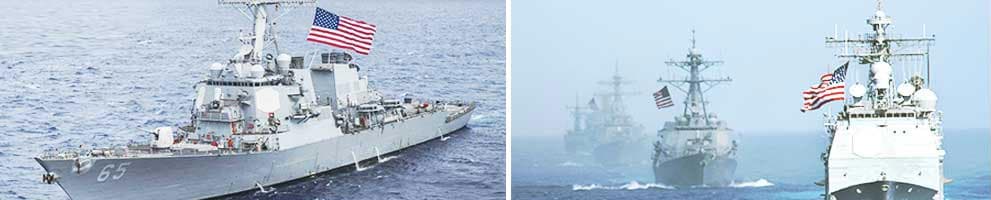
37 members•1 unit
Relive and share the memories of your service-time with your brothers and sisters in arms today. VetFriends.com can help you reconnect.
Did you proudly serve in the ATC Naval Station Sangley Pt RP?
Are you looking for someone who is or was in the ATC Naval Station Sangley Pt RP?
Do you have ATC Naval Station Sangley Pt RP photos you'd like to share?
Then join a community with your brothers and sisters of the ATC Naval Station Sangley Pt RP.
Branch
U.S. Navy
Members
37
ATC Naval Station Sangley Point, located in Cavite City, Philippines, began as a Spanish naval facility before becoming a key U.S. Naval Station following the Spanish-American War in 1898. During World War II, the base played a crucial role in naval aviation operations, serving as a hub for patrol squadrons and seaplanes defending Manila Bay. After the war, Sangley Point continued to support U.S. and Philippine naval and air operations, notably as an Air Transport Command (ATC) facility, facilitating logistics and personnel movement throughout the Asia-Pacific region. The base was eventually turned over to the Philippine government in 1971, continuing to serve as a vital maritime and air facility for the Philippine Navy.

U.S. Navy
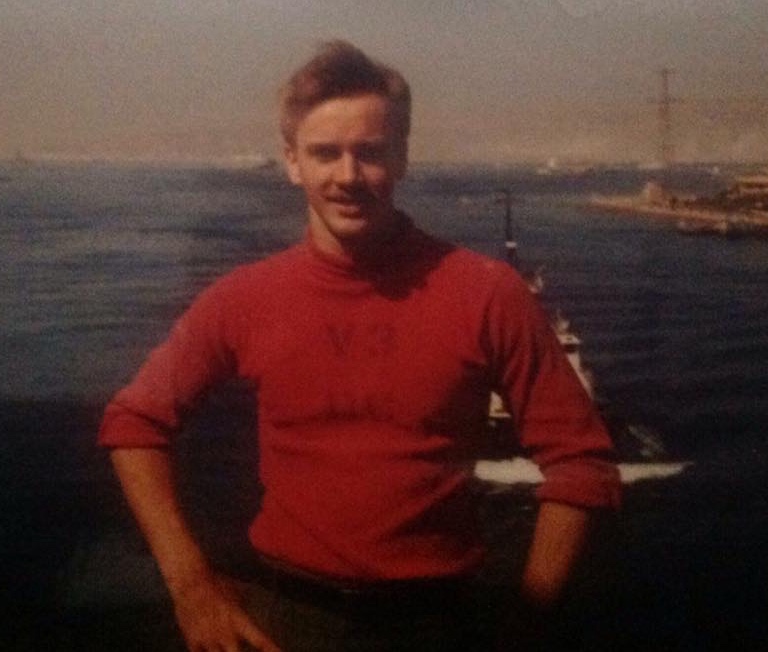
U.S. Navy • 1987
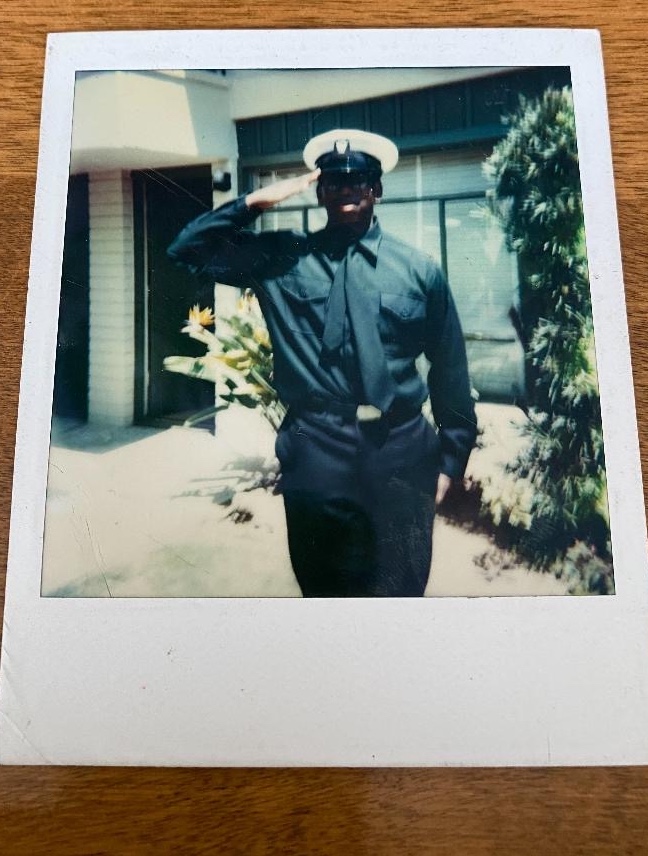
U.S. Navy • 1979
U.S. Navy