
Opening branch overview
Building the branch home surface
Loading branch highlights, featured unit context, and gallery moments.
Overview
Members
Units
Building the branch home surface
Loading branch highlights, featured unit context, and gallery moments.
Building the branch units surface
Loading unit filters, rankings, and the branch unit grid.

9 members•1 unit
Relive and share the memories of your service-time with your brothers and sisters in arms today. VetFriends.com can help you reconnect.
Did you proudly serve in the Antarctic Support Activities 1968-69?
Are you looking for someone who is or was in the Antarctic Support Activities 1968-69?
Do you have Antarctic Support Activities 1968-69 photos you'd like to share?
Then join a community with your brothers and sisters of the Antarctic Support Activities 1968-69.
Branch
U.S. Navy
Members
9
Antarctic Support Activities (ASA) was a U.S. Navy unit tasked with logistical and operational support for scientific missions in Antarctica during Operation Deep Freeze. In the 1968-69 season, ASA played a critical role in maintaining supply lines, constructing and servicing bases such as McMurdo Station, and ensuring safe air and sea transport for personnel and equipment. The unit operated in extremely challenging conditions, coordinating with civilian scientists and other military branches to enable vital research on the continent. Their efforts during this period contributed significantly to the advancement of polar science and reinforced American presence in Antarctica.
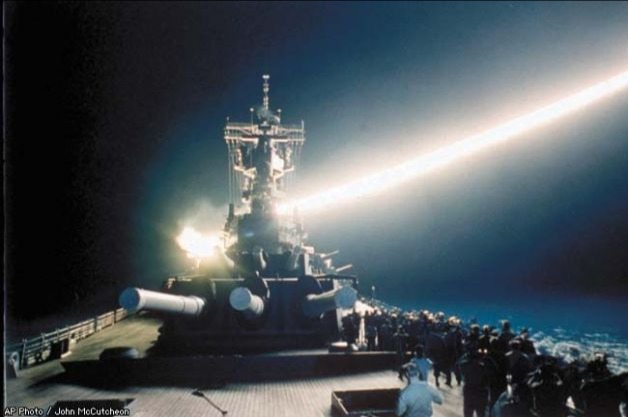
U.S. Navy • 1991
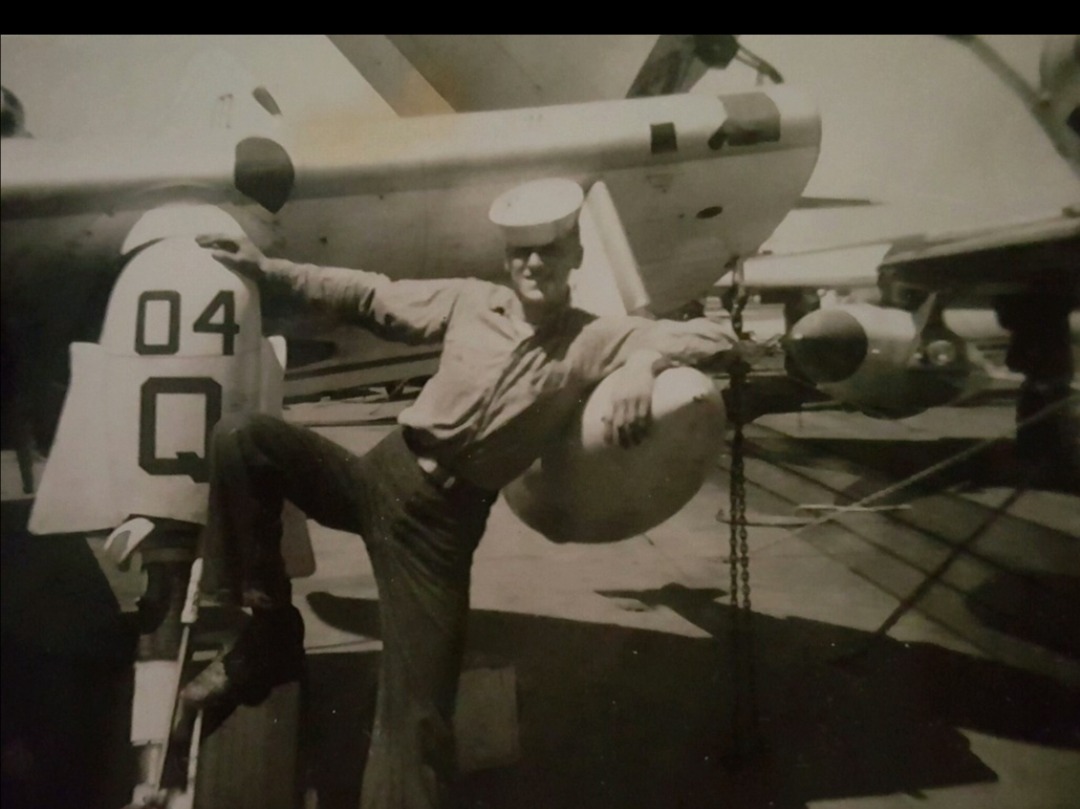
U.S. Navy
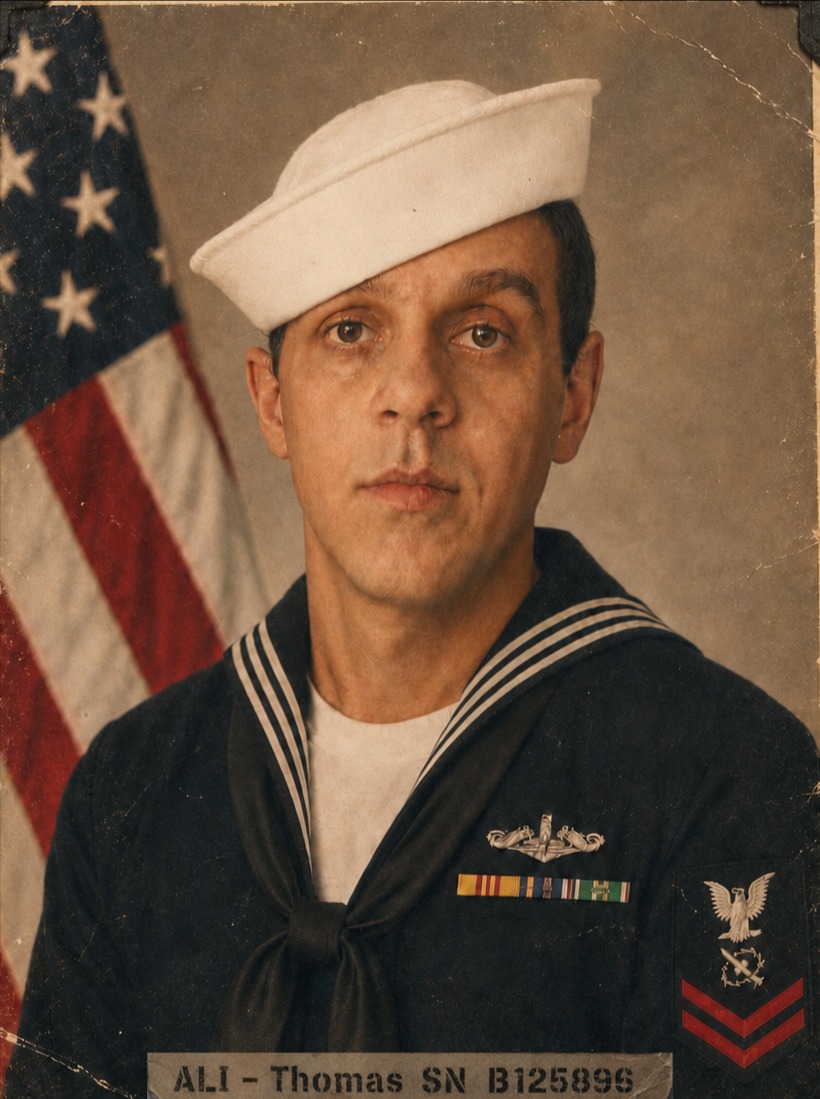
WEAPONS • U.S. Navy • 1968
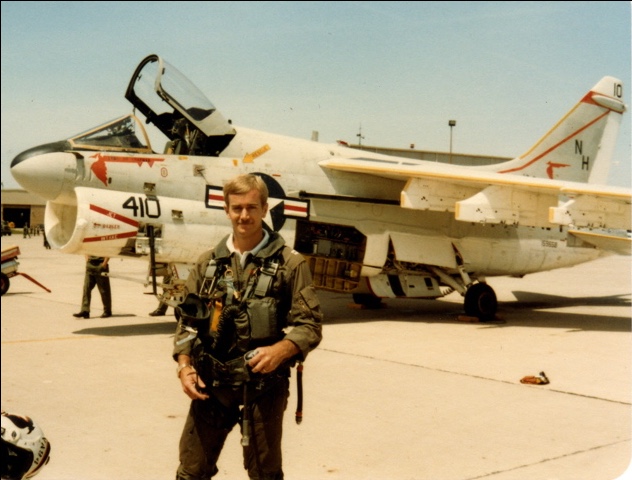
U.S. Navy