
Opening branch overview
Building the branch home surface
Loading branch highlights, featured unit context, and gallery moments.
Overview
Members
Units
Building the branch home surface
Loading branch highlights, featured unit context, and gallery moments.
Building the branch units surface
Loading unit filters, rankings, and the branch unit grid.

12 members•1 unit
Relive and share the memories of your service-time with your brothers and sisters in arms today. VetFriends.com can help you reconnect.
Did you proudly serve in the AEWRON-4?
Are you looking for someone who is or was in the AEWRON-4?
Do you have AEWRON-4 photos you'd like to share?
Then join a community with your brothers and sisters of the AEWRON-4.
Branch
U.S. Navy
Members
12
Airborne Early Warning Squadron 4 (AEWRON-4 or VW-4), known as the "Hurricane Hunters," was a U.S. Navy aviation unit established in 1952. The squadron's primary mission was to conduct airborne early warning and weather reconnaissance, particularly tracking Atlantic hurricanes, using aircraft such as the Lockheed WV-2 Warning Star. Operating from NAS Jacksonville, Florida, and later NAS Roosevelt Roads, Puerto Rico, AEWRON-4 played a pivotal role in meteorological data collection and storm tracking throughout the Cold War era. The squadron was disestablished in 1975, having contributed significantly to both military early warning capability and civilian hurricane forecasting.

U.S. Navy
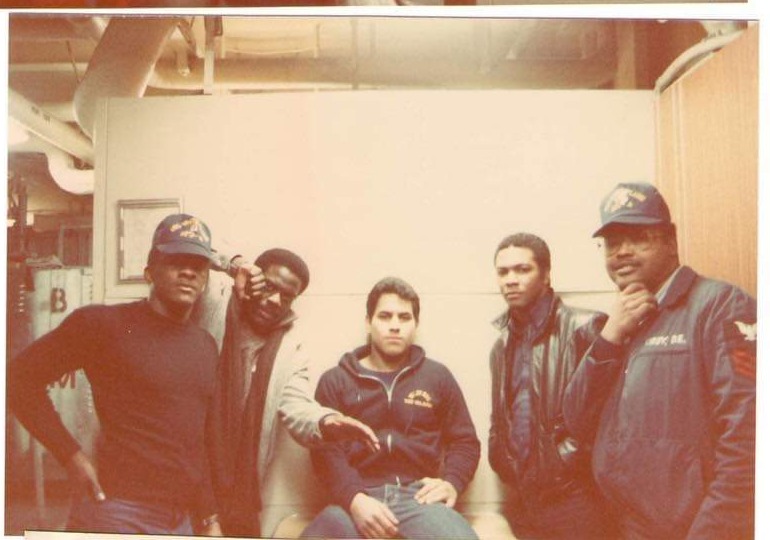
U.S. Navy
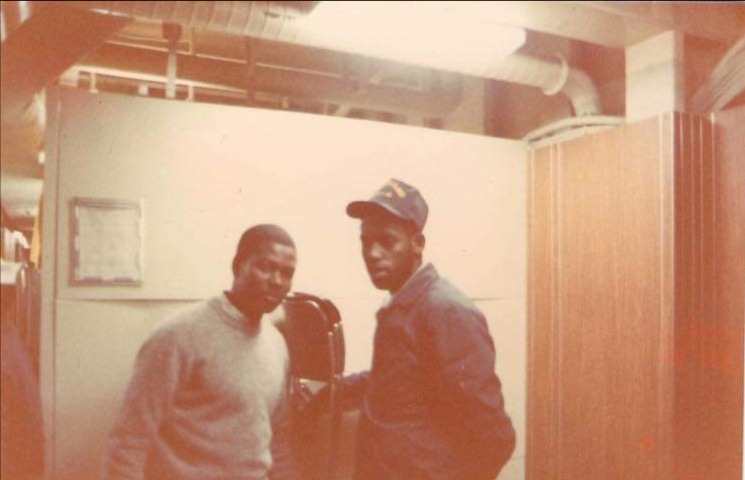
U.S. Navy
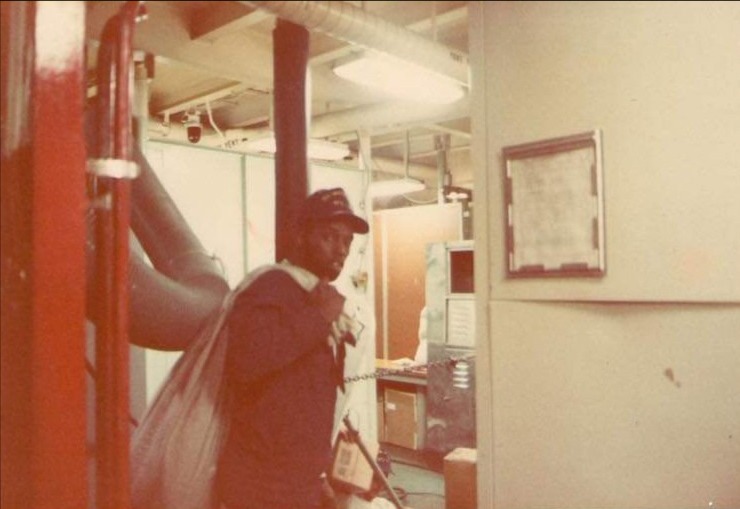
U.S. Navy