
Opening branch overview
Building the branch home surface
Loading branch highlights, featured unit context, and gallery moments.
Overview
Members
Units
Building the branch home surface
Loading branch highlights, featured unit context, and gallery moments.
Building the branch units surface
Loading unit filters, rankings, and the branch unit grid.

U.S. Marine Corps•12 members
Relive and share the memories of your service-time with your brothers and sisters in arms today. VetFriends.com can help you reconnect.
Did you proudly serve in the VMFA-513?
Are you looking for someone who is or was in the VMFA-513?
Do you have VMFA-513 photos you'd like to share?
Then join a community with your brothers and sisters of the VMFA-513.
Marine Fighter Attack Squadron 513 (VMFA-513), known as the "Flying Nightmares," was originally commissioned in 1944 as VMF-513. The squadron saw combat in World War II, the Korean War—where it became the first Marine squadron to fly jet aircraft in combat—and the Vietnam War, providing close air support and night-fighting capabilities. In the 1980s, VMFA-513 transitioned to flying the AV-8B Harrier II, becoming one of the Marine Corps’ premier vertical/short takeoff and landing (V/STOL) attack squadrons. The squadron participated in Operations Desert Storm, Iraqi Freedom, and Enduring Freedom before being deactivated in 2013.

U.S. Marine Corps

U.S. Marine Corps
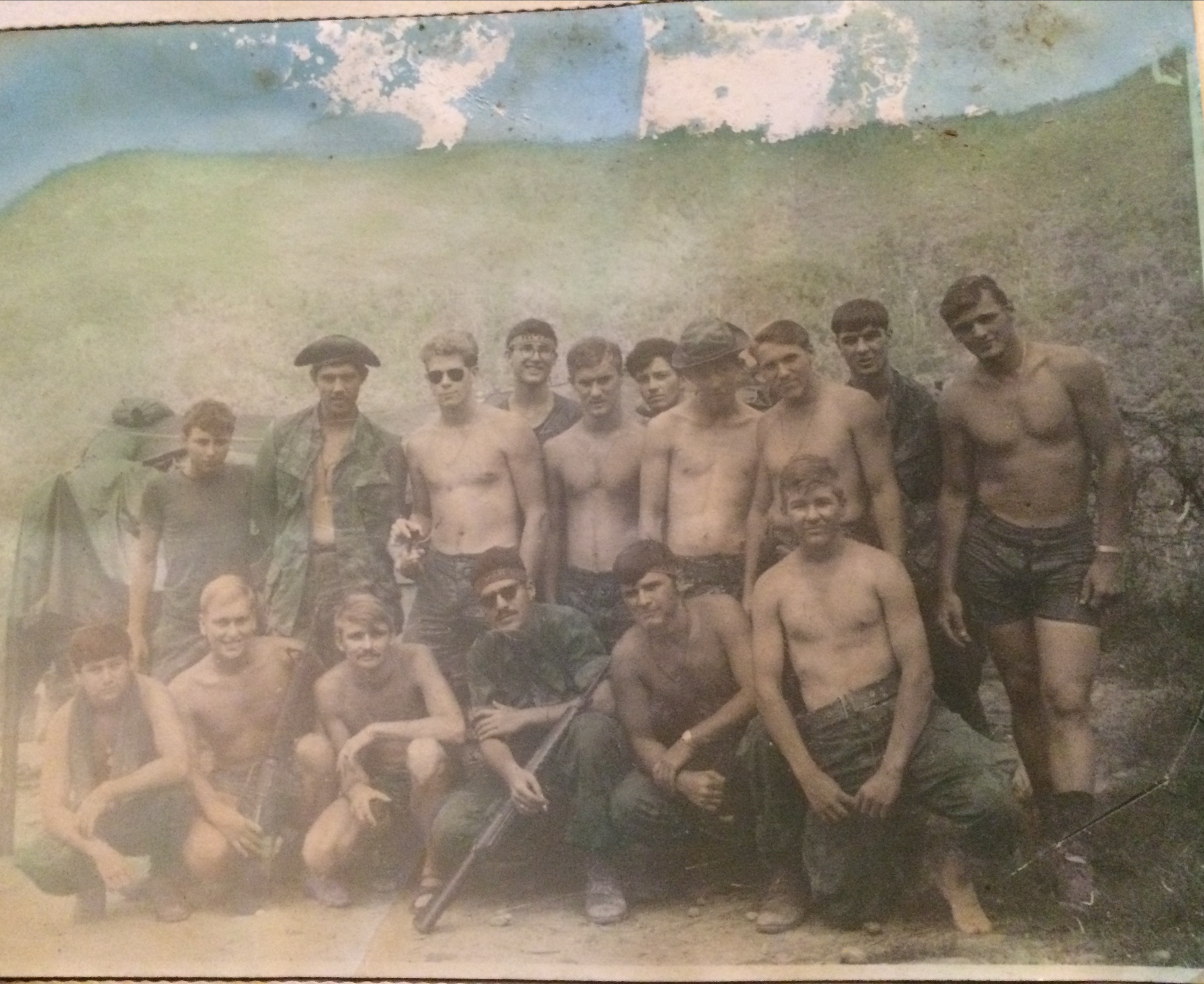
U.S. Marine Corps • 1971
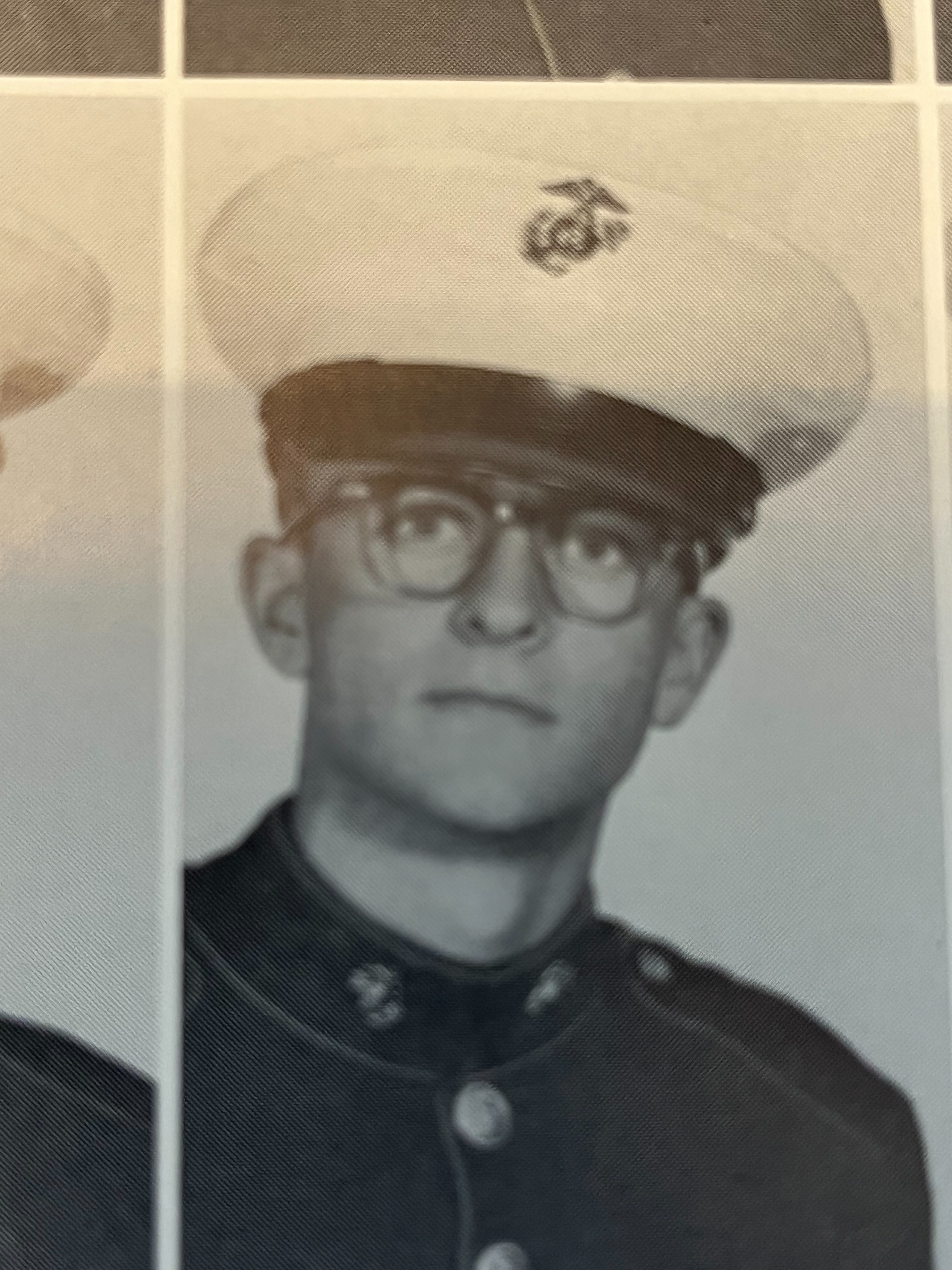
U.S. Marine Corps • 1968