
Opening branch overview
Building the branch home surface
Loading branch highlights, featured unit context, and gallery moments.
Overview
Members
Units
Building the branch home surface
Loading branch highlights, featured unit context, and gallery moments.
Building the branch units surface
Loading unit filters, rankings, and the branch unit grid.

11 members•1 unit
Relive and share the memories of your service-time with your brothers and sisters in arms today. VetFriends.com can help you reconnect.
Did you proudly serve in the VMCJ-2?
Are you looking for someone who is or was in the VMCJ-2?
Do you have VMCJ-2 photos you'd like to share?
Then join a community with your brothers and sisters of the VMCJ-2.
Branch
U.S. Marine Corps
Members
11
Marine Composite Reconnaissance Squadron 2 (VMCJ-2) was a United States Marine Corps aviation unit formed in the 1950s. Based primarily at Marine Corps Air Station Cherry Point, North Carolina, the squadron was tasked with providing aerial photographic and electronic reconnaissance. VMCJ-2 operated various aircraft, including the RF-8 Crusader and EA-6A Intruder, supporting Marine Corps and joint operations during the Cold War and Vietnam War eras. The squadron was deactivated in 1975, with its missions and assets absorbed by other Marine Corps aviation units.
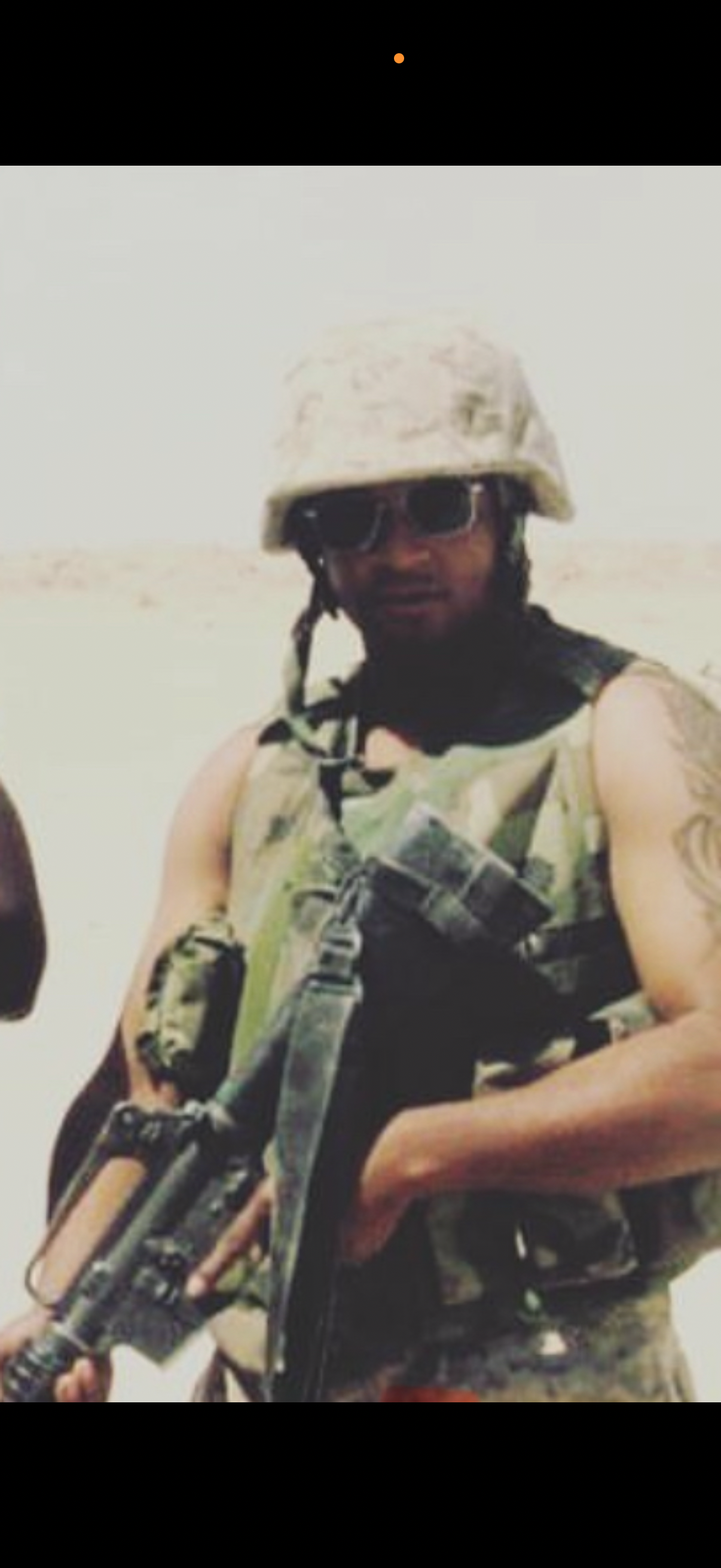
U.S. Marine Corps

U.S. Marine Corps • 1968
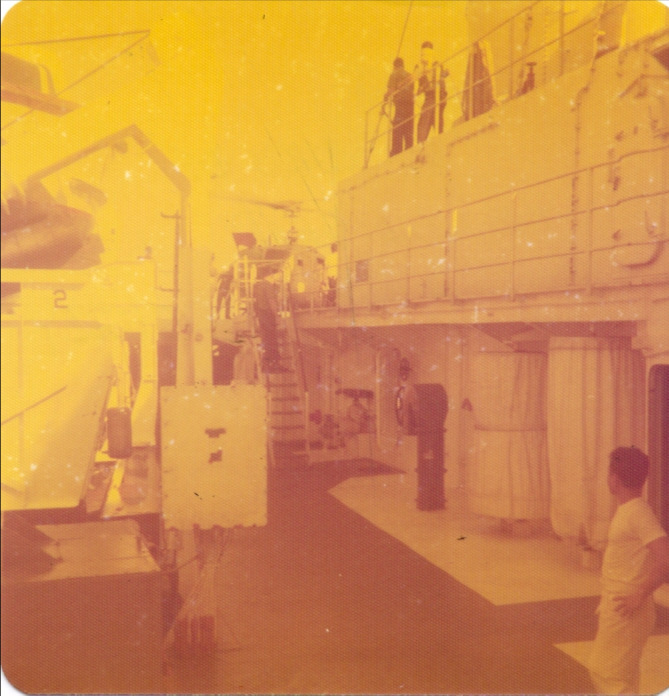
U.S. Marine Corps • 1968
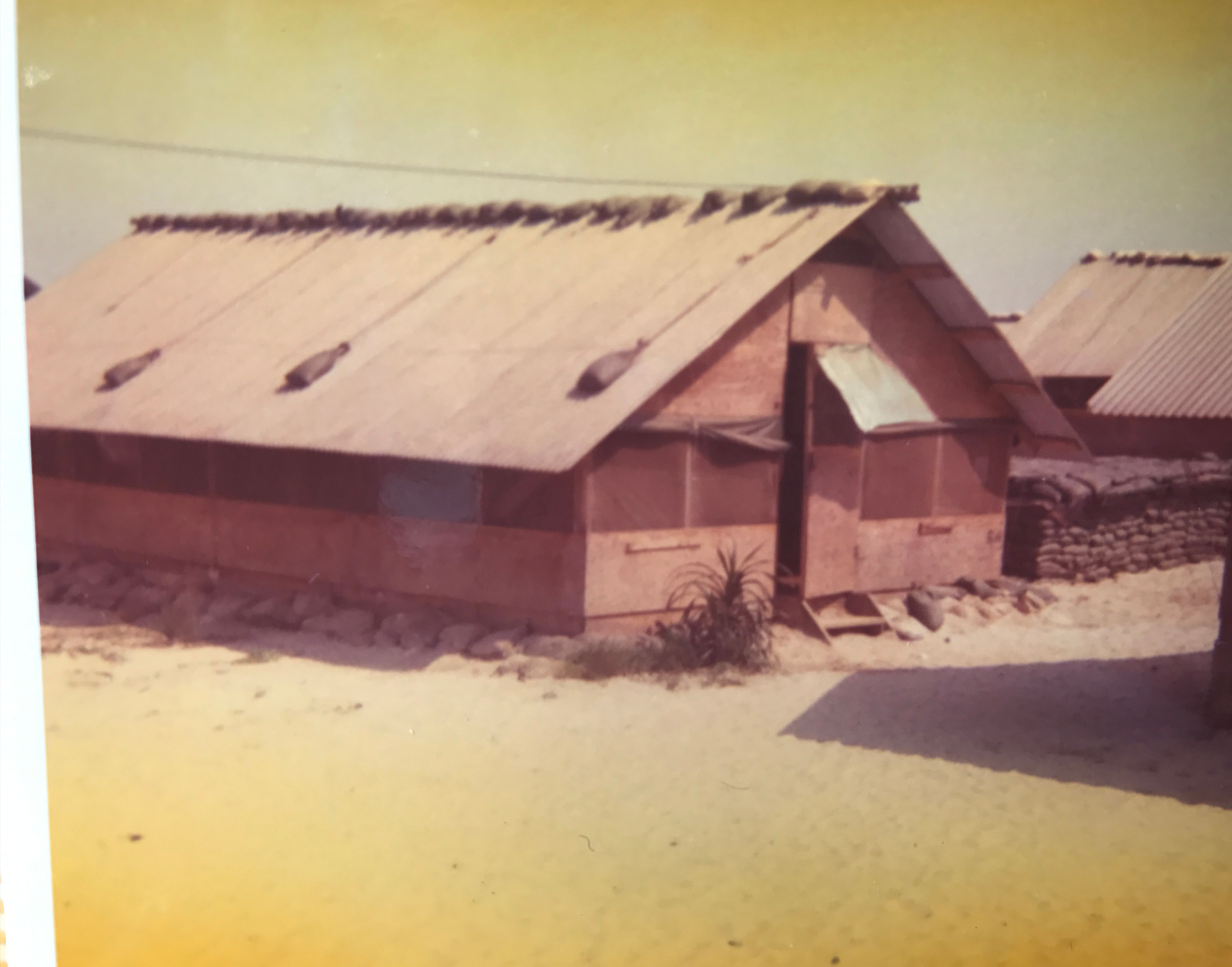
U.S. Marine Corps