
Opening branch overview
Building the branch home surface
Loading branch highlights, featured unit context, and gallery moments.
Overview
Members
Units
Building the branch home surface
Loading branch highlights, featured unit context, and gallery moments.
Building the branch units surface
Loading unit filters, rankings, and the branch unit grid.

2 members•1 unit
Relive and share the memories of your service-time with your brothers and sisters in arms today. VetFriends.com can help you reconnect.
Did you proudly serve in the VMA-134?
Are you looking for someone who is or was in the VMA-134?
Do you have VMA-134 photos you'd like to share?
Then join a community with your brothers and sisters of the VMA-134.
Branch
U.S. Marine Corps
Members
2
Marine Attack Squadron 134 (VMA-134), also known as the “Smoke Dragons,” was a United States Marine Corps reserve attack squadron. Originally activated during World War II in 1943 as Marine Scout Bombing Squadron 134 (VMSB-134), it participated in the Pacific Theater, including service in the Solomon Islands. The squadron was deactivated after the war but later reactivated in the Marine Forces Reserve, transitioning to the A-4 Skyhawk attack aircraft and redesignated as VMA-134. Based at Marine Corps Air Station El Toro and later at NAS Alameda, VMA-134 provided close air support and attack capabilities until its deactivation in 1992.
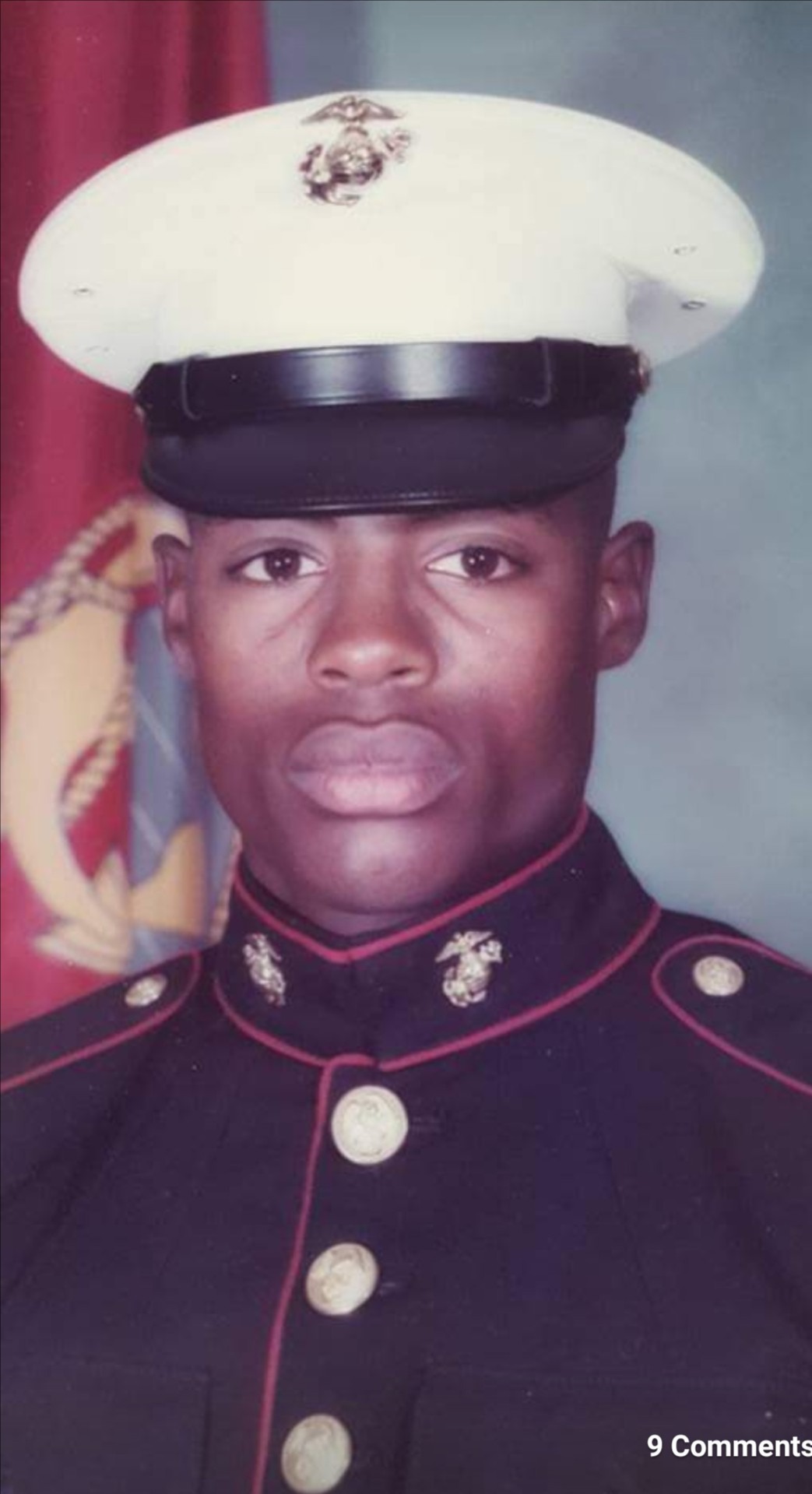
U.S. Marine Corps
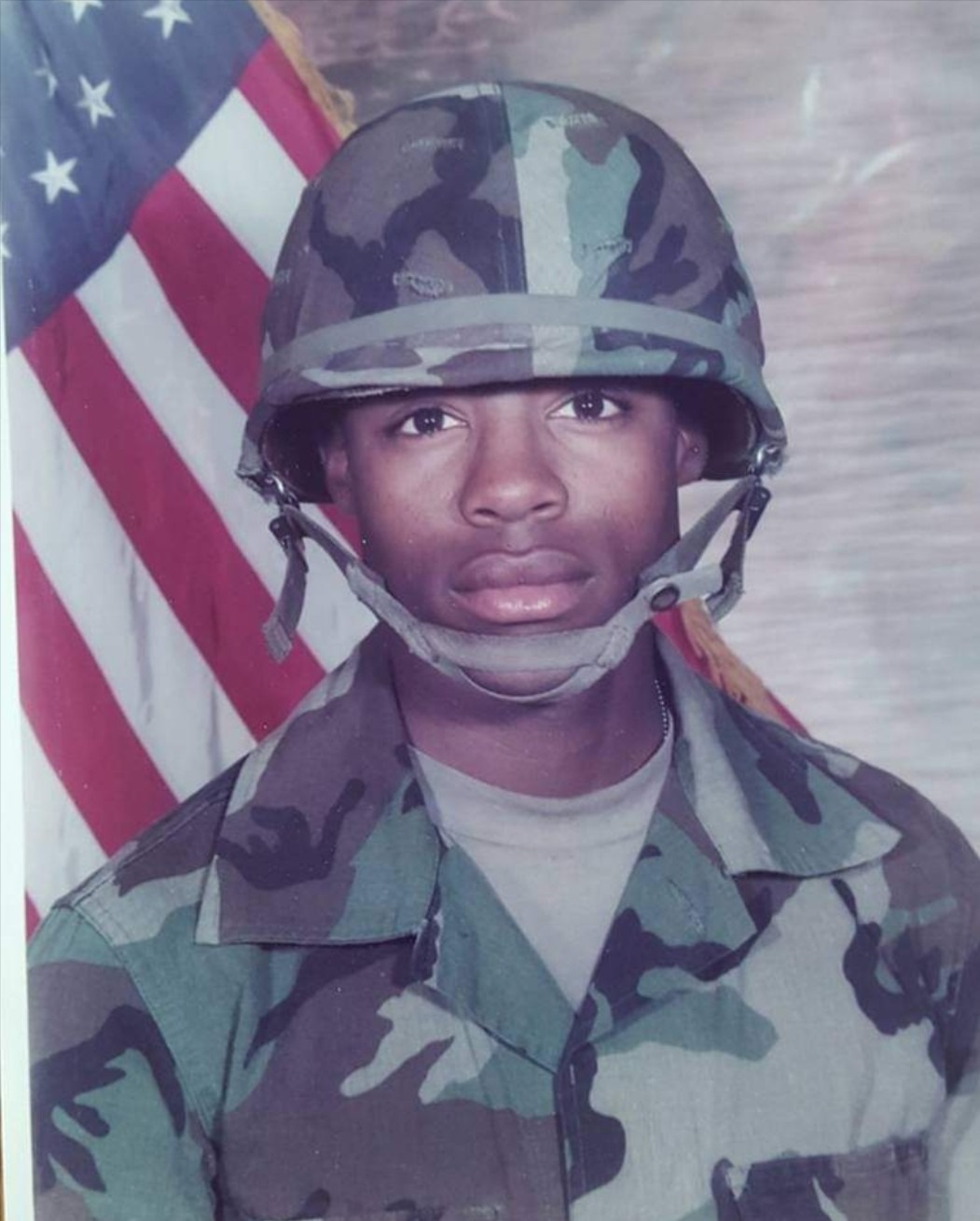
U.S. Marine Corps
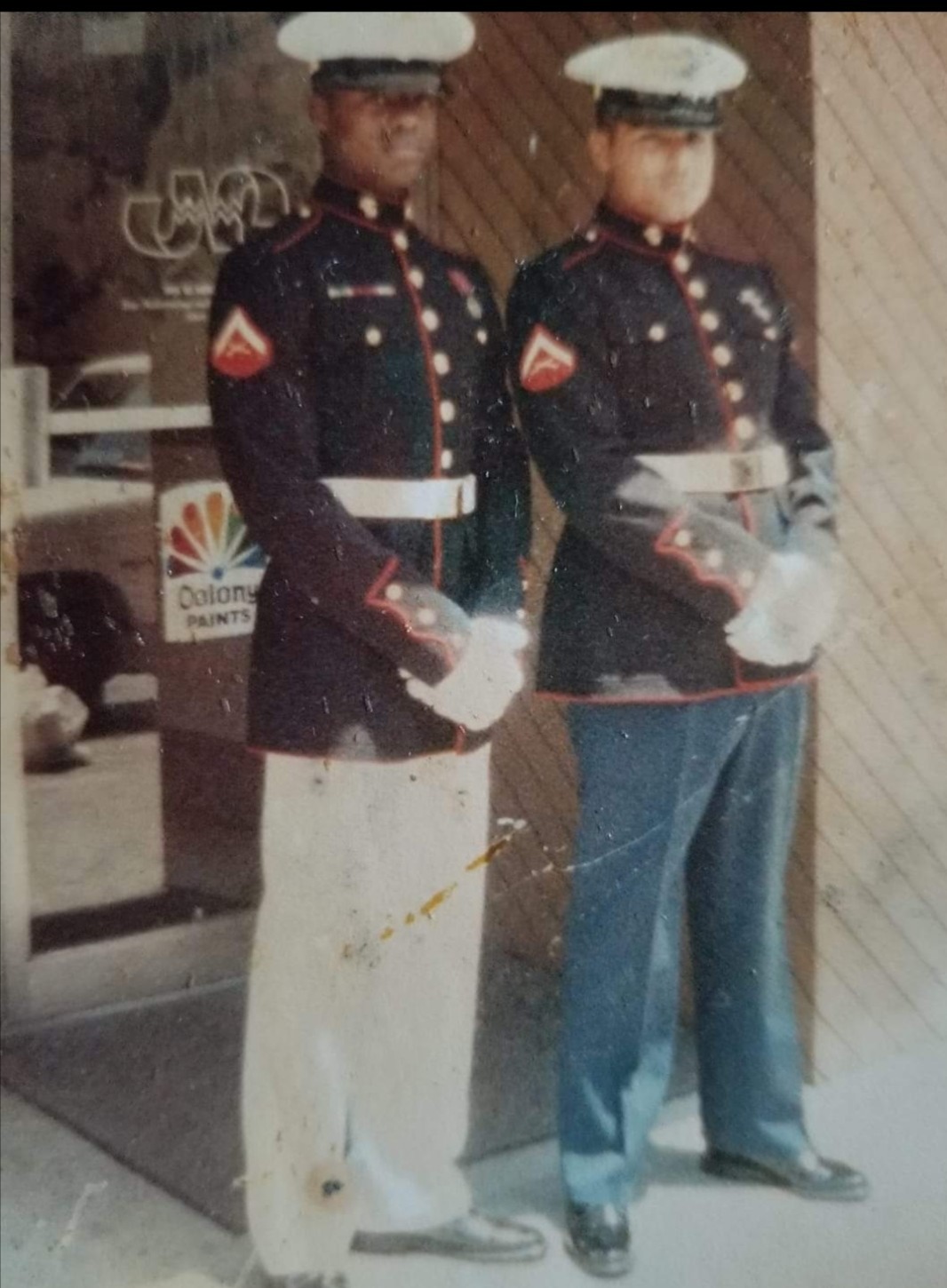
U.S. Marine Corps
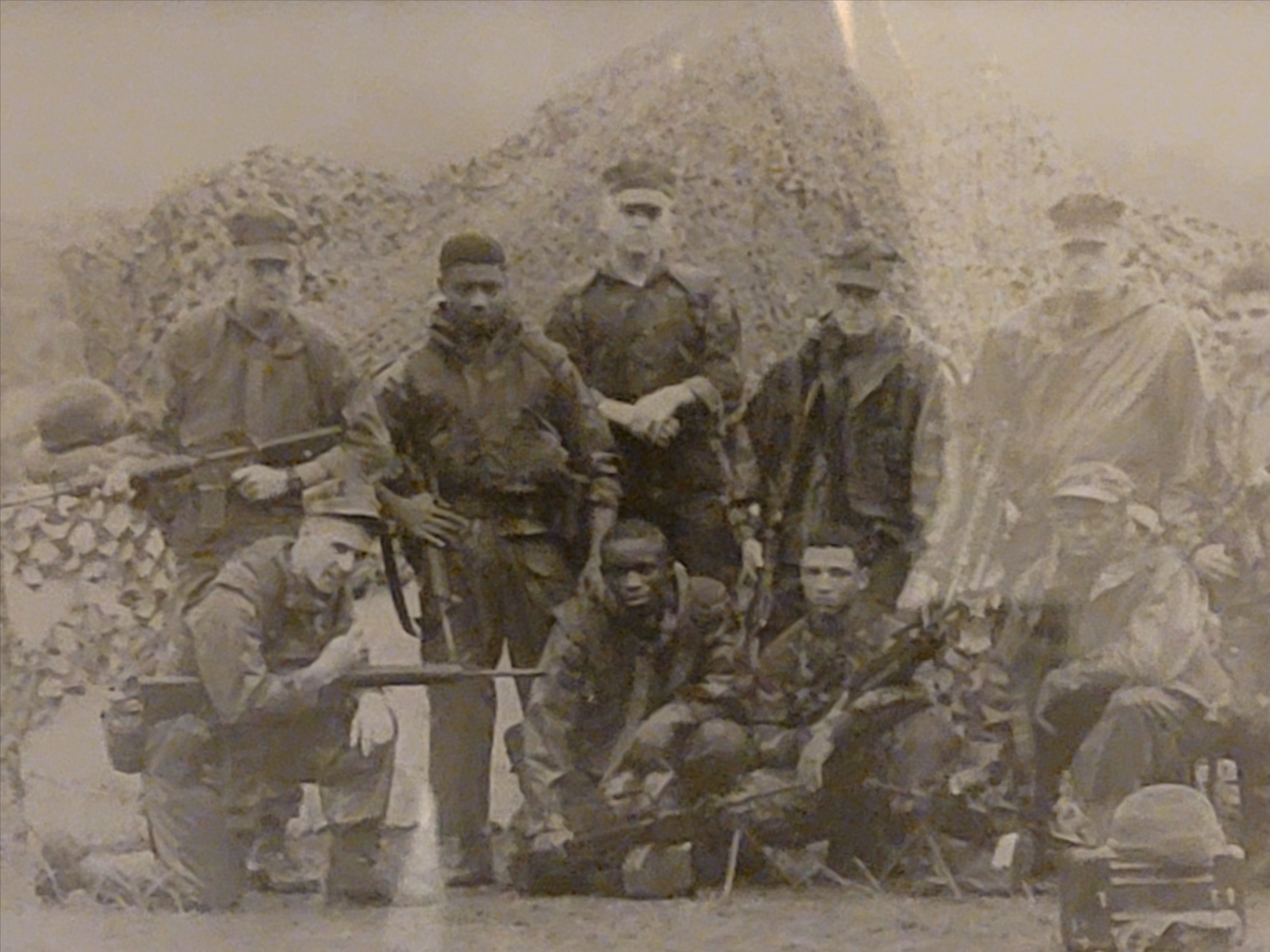
U.S. Marine Corps