
Opening branch overview
Building the branch home surface
Loading branch highlights, featured unit context, and gallery moments.
Overview
Members
Units
Building the branch home surface
Loading branch highlights, featured unit context, and gallery moments.
Building the branch units surface
Loading unit filters, rankings, and the branch unit grid.

1 members•1 unit
Relive and share the memories of your service-time with your brothers and sisters in arms today. VetFriends.com can help you reconnect.
Did you proudly serve in the tet offensive hill 55?
Are you looking for someone who is or was in the tet offensive hill 55?
Do you have tet offensive hill 55 photos you'd like to share?
Then join a community with your brothers and sisters of the tet offensive hill 55.
Branch
U.S. Marine Corps
Members
1
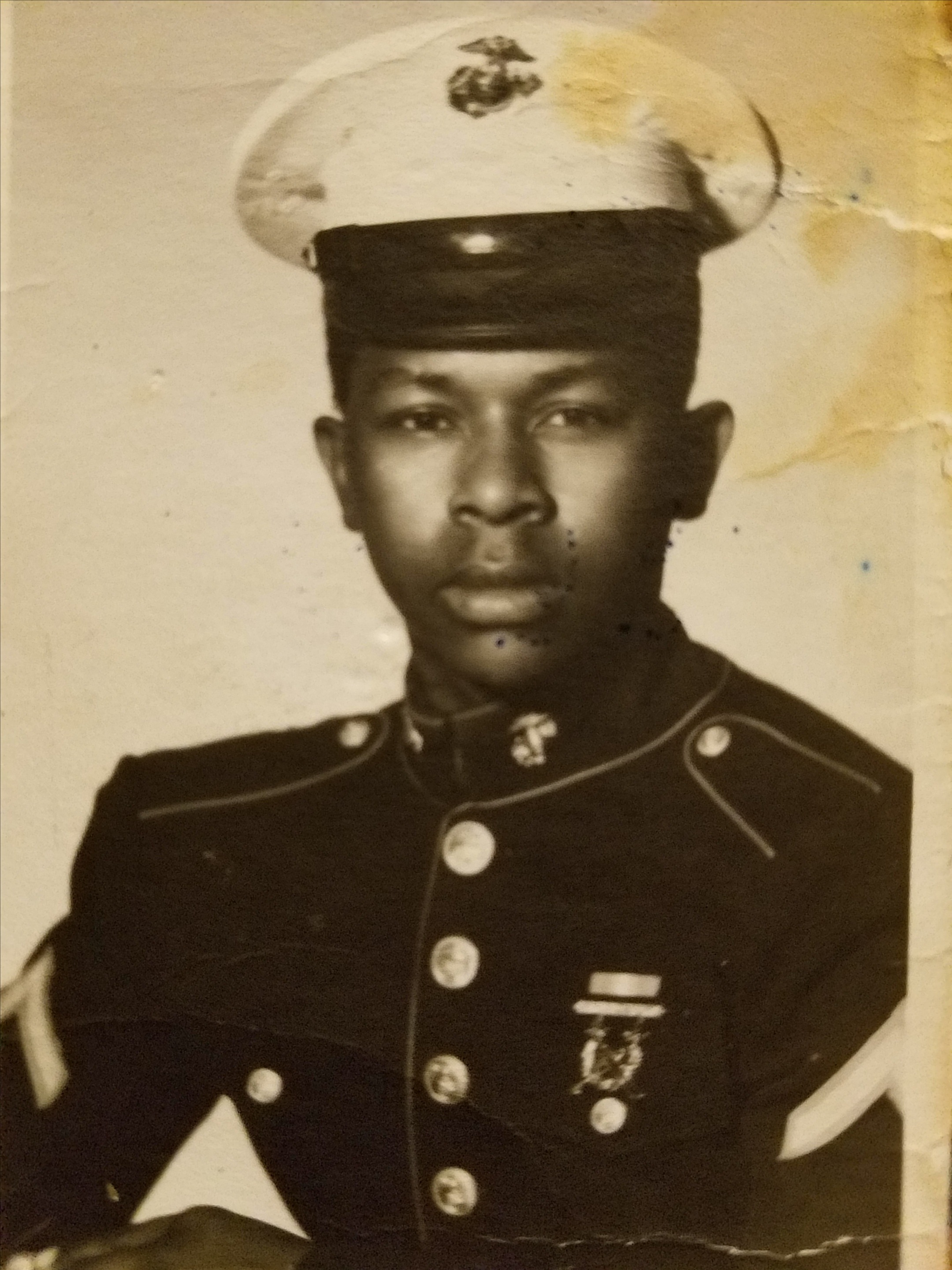
During the Tet Offensive in early 1968, Hill 55—located just southwest of Da Nang, Vietnam—served as a key U.S. Marine Corps outpost. The hill, also known as "Camp Muir," was manned primarily by elements of the 1st Marine Division. During the offensive, Hill 55 became a critical defensive position, repelling attacks by North Vietnamese Army (NVA) and Viet Cong forces attempting to threaten Da Nang. Marines stationed on Hill 55 played a pivotal role in securing the area, helping to blunt the enemy’s advance and maintain control of a vital approach to the city.

2nd Bn, 10th Mariners Artillery • U.S. Marine Corps

MP 3rd • U.S. Marine Corps • 1998
U.S. Marine Corps

U.S. Marine Corps