About this Unit
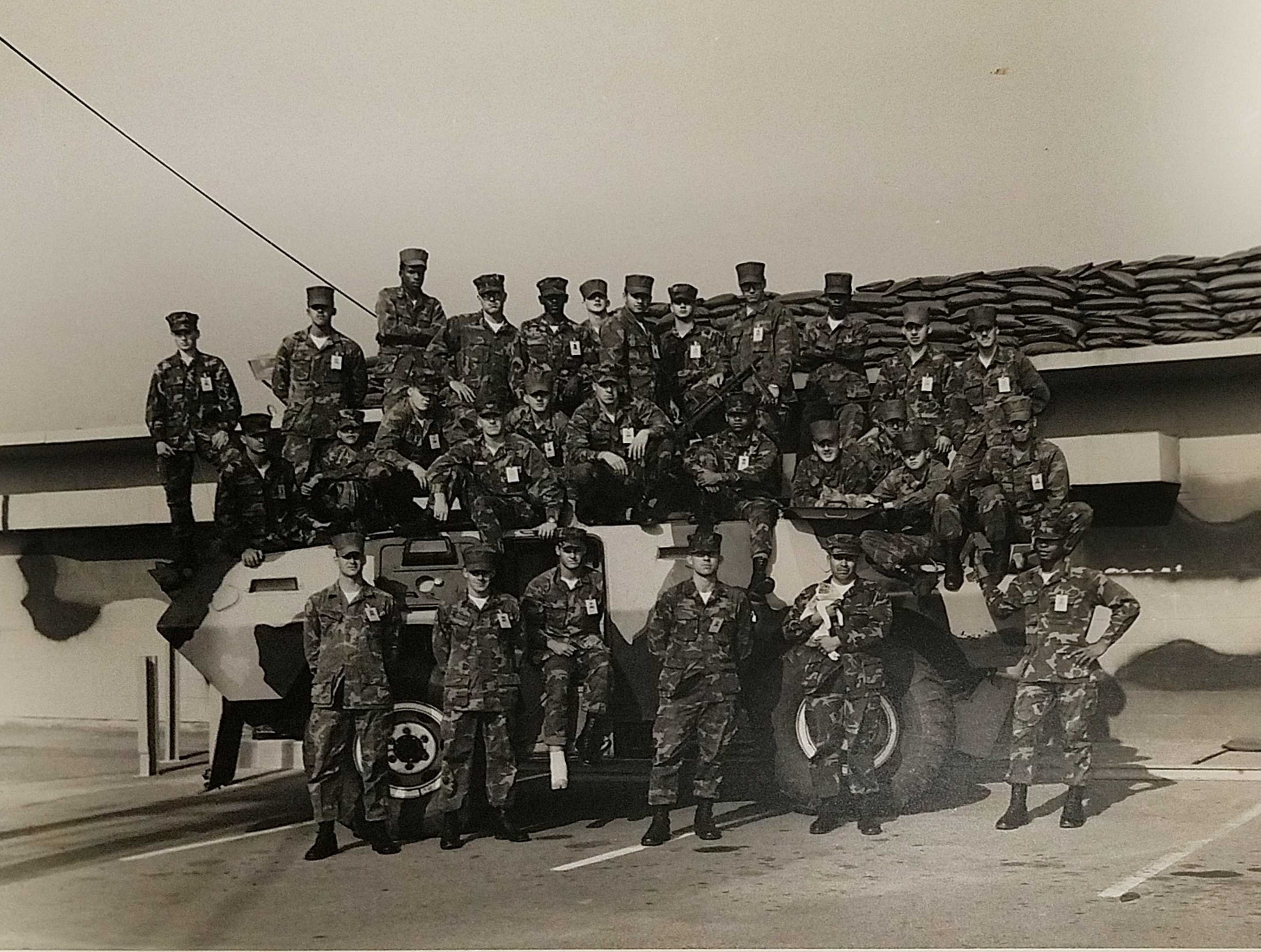
Task Force Papa Bear is a fictional combined-arms military unit first organized during the early 21st century for rapid deployment in conflict zones. The unit gained distinction for its pivotal role in peacekeeping and counter-insurgency operations in the Middle East, where it integrated infantry, armor, and air support elements for maximum flexibility. Throughout its deployments, Task Force Papa Bear became known for its innovative tactics and strong emphasis on joint operations with allied forces. Its legacy is marked by several successful missions that showcased adaptability under pressure and a commitment to mission success.
Historical Facts
•
Origin of the Name: Task Force Papa Bear derives its name from the NATO phonetic alphabet, where "Papa" stands for "P" and "Bear" symbolizes strength and protection, often used as a call sign for leadership or headquarters elements.
•
Gulf War Fame: Task Force Papa Bear became widely recognized during the 1991 Gulf War, where it was a key combat unit of the 1st Marine Division, US Marine Corps, playing a pivotal role in the liberation of Kuwait.
•
Command Structure: In the Gulf War, Papa Bear was commanded by Lieutenant Colonel John H. Admire, and was composed of infantry, tanks, artillery, and support units, exemplifying the combined-arms task force concept.
•
Breach of the Saddam Line: Task Force Papa Bear was among the first US forces to breach the so-called "Saddam Line," a series of Iraqi defensive positions, and helped open the route for the main coalition advance.
•
Rapid Advance: During Operation Desert Storm, the task force advanced over 120 kilometers in less than three days, overcoming minefields, trenches, and enemy resistance with minimal casualties.
•
Rescue Mission: Task Force Papa Bear was involved in the rescue of downed American pilots, showcasing their versatility in both combat and search-and-rescue operations under hostile conditions.
•
Decorations and Commendations: Members of Task Force Papa Bear received numerous awards, including Bronze Stars and Navy Commendation Medals, for bravery and exceptional service during the conflict.
•
Legacy and Training: The success and tactics of Task Force Papa Bear are still studied at US military academies as examples of maneuver warfare, leadership under fire, and effective integration of combined arms.
•
Nickname and Morale: The "Papa Bear" call sign fostered a strong sense of identity and camaraderie within the unit, with many veterans continuing to refer to themselves as "Papa Bears" long after the war.
•
Memorialization: The exploits of Task Force Papa Bear are commemorated in museums and Marine Corps history exhibits, and its veterans hold regular reunions to honor their shared service.