
Opening branch overview
Building the branch home surface
Loading branch highlights, featured unit context, and gallery moments.
Overview
Members
Units
Building the branch home surface
Loading branch highlights, featured unit context, and gallery moments.
Building the branch units surface
Loading unit filters, rankings, and the branch unit grid.

10 members•1 unit
Relive and share the memories of your service-time with your brothers and sisters in arms today. VetFriends.com can help you reconnect.
Did you proudly serve in the Submarine Squadron Ten?
Are you looking for someone who is or was in the Submarine Squadron Ten?
Do you have Submarine Squadron Ten photos you'd like to share?
Then join a community with your brothers and sisters of the Submarine Squadron Ten.
Branch
U.S. Marine Corps
Members
10
Submarine Squadron Ten (SUBRON 10) was established by the United States Navy on March 1, 1963, at Naval Submarine Base New London in Groton, Connecticut. It played a pivotal role during the Cold War as the Navy’s first squadron dedicated to the support and maintenance of Fleet Ballistic Missile submarines (SSBNs), specifically the Polaris-class. SUBRON 10 provided operational, logistical, and technical support to these strategic deterrent submarines, helping to maintain continuous at-sea deterrence. The squadron continued its mission through the transition to more advanced submarines and remains a vital component of the U.S. Navy’s undersea warfare capabilities.
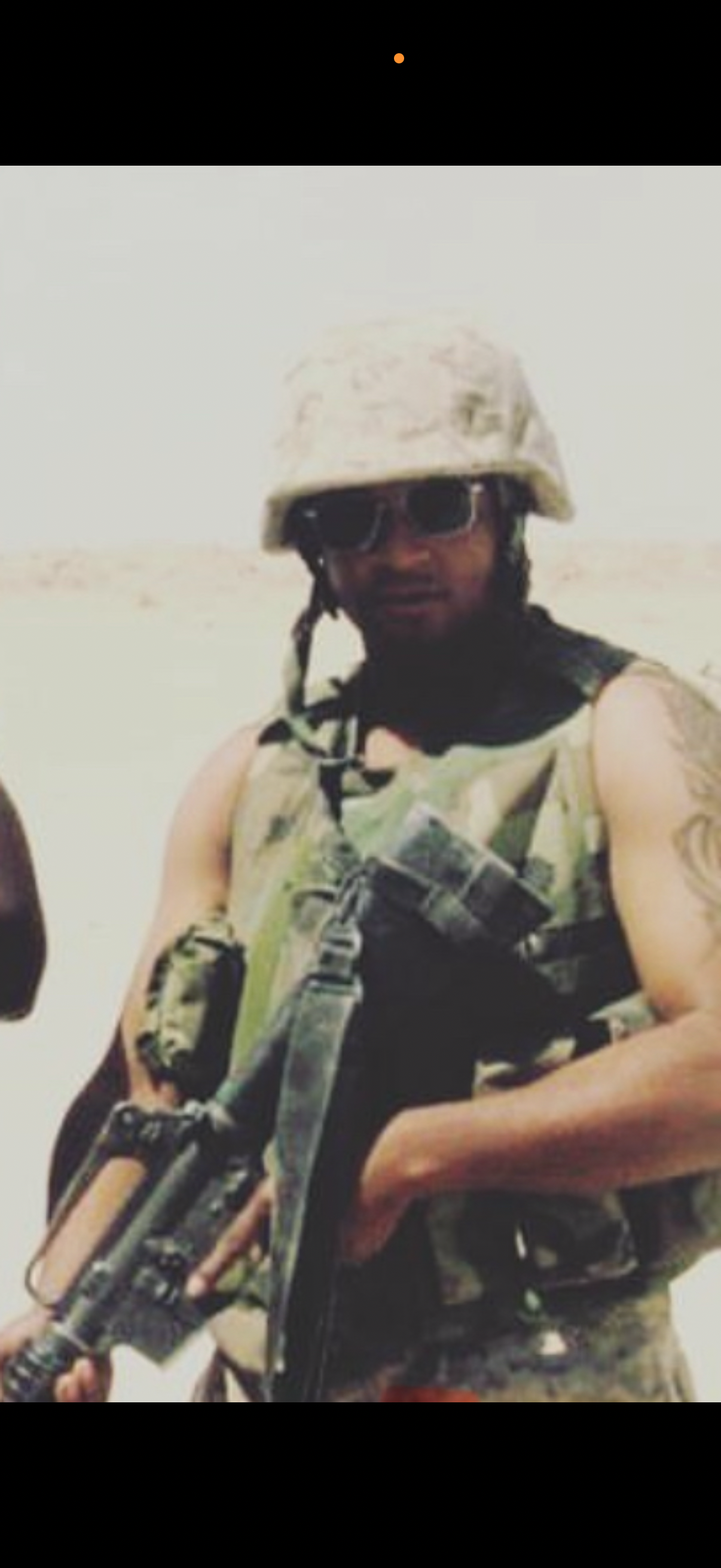
U.S. Marine Corps
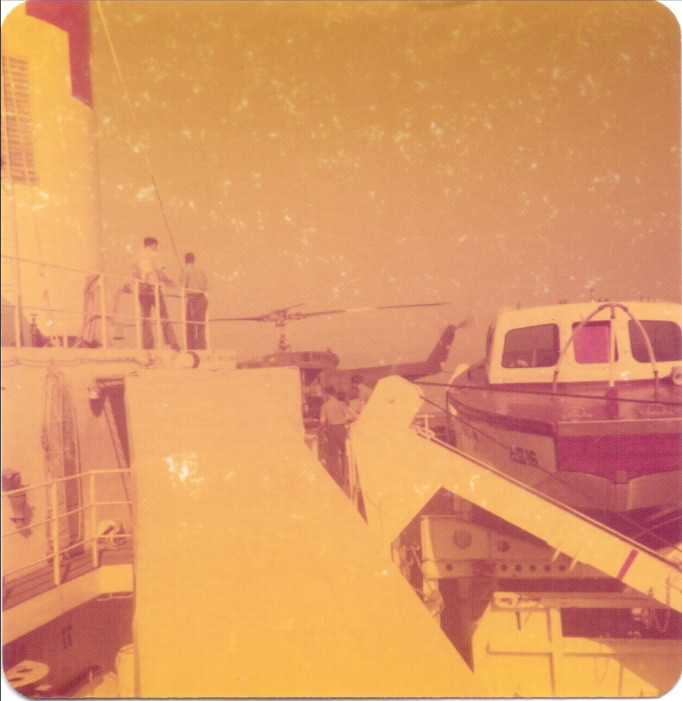
U.S. Marine Corps • 1968
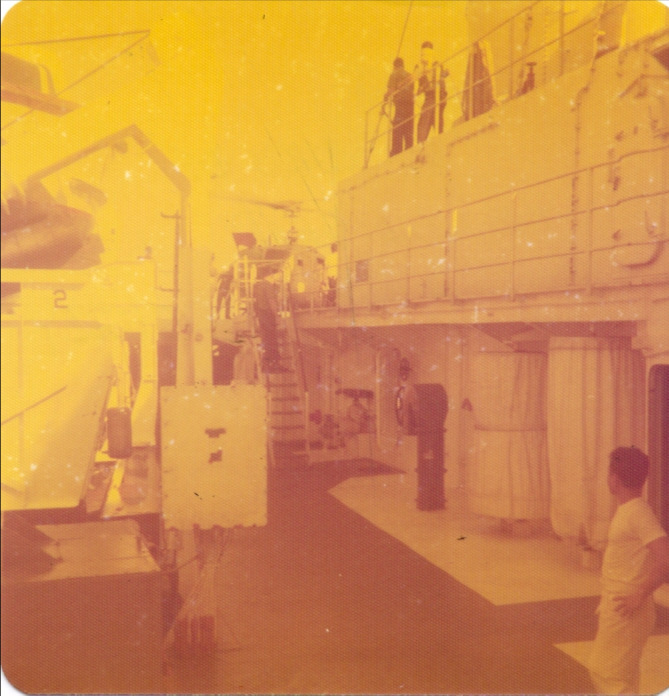
U.S. Marine Corps • 1968
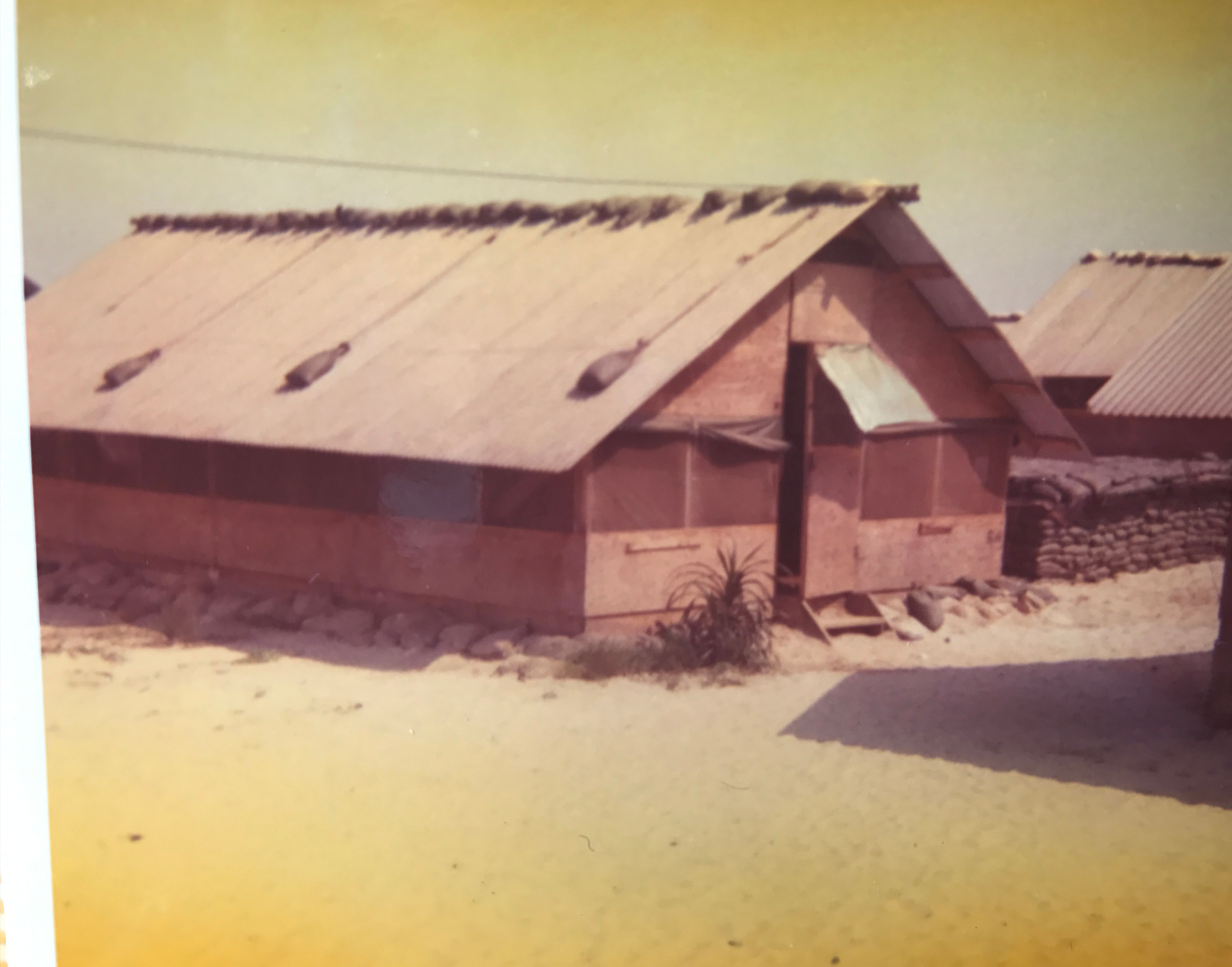
U.S. Marine Corps