
Opening branch overview
Building the branch home surface
Loading branch highlights, featured unit context, and gallery moments.
Overview
Members
Units
Building the branch home surface
Loading branch highlights, featured unit context, and gallery moments.
Building the branch units surface
Loading unit filters, rankings, and the branch unit grid.

35 members•1 unit
Relive and share the memories of your service-time with your brothers and sisters in arms today. VetFriends.com can help you reconnect.
Did you proudly serve in the Submarine Force East Coast?
Are you looking for someone who is or was in the Submarine Force East Coast?
Do you have Submarine Force East Coast photos you'd like to share?
Then join a community with your brothers and sisters of the Submarine Force East Coast.
Branch
U.S. Marine Corps
Members
35
The Submarine Force East Coast, often referred to as the Atlantic Submarine Force, has played a pivotal role in U.S. naval operations since its establishment in the early 20th century. Headquartered in Groton, Connecticut, it oversees the training, maintenance, and deployment of U.S. Navy submarines operating in the Atlantic Ocean and beyond. Throughout World War II and the Cold War, East Coast submarines conducted vital patrols, surveillance, and deterrence missions against enemy naval forces. Today, the Submarine Force East Coast continues to provide strategic deterrence, intelligence gathering, and support for global maritime security operations.
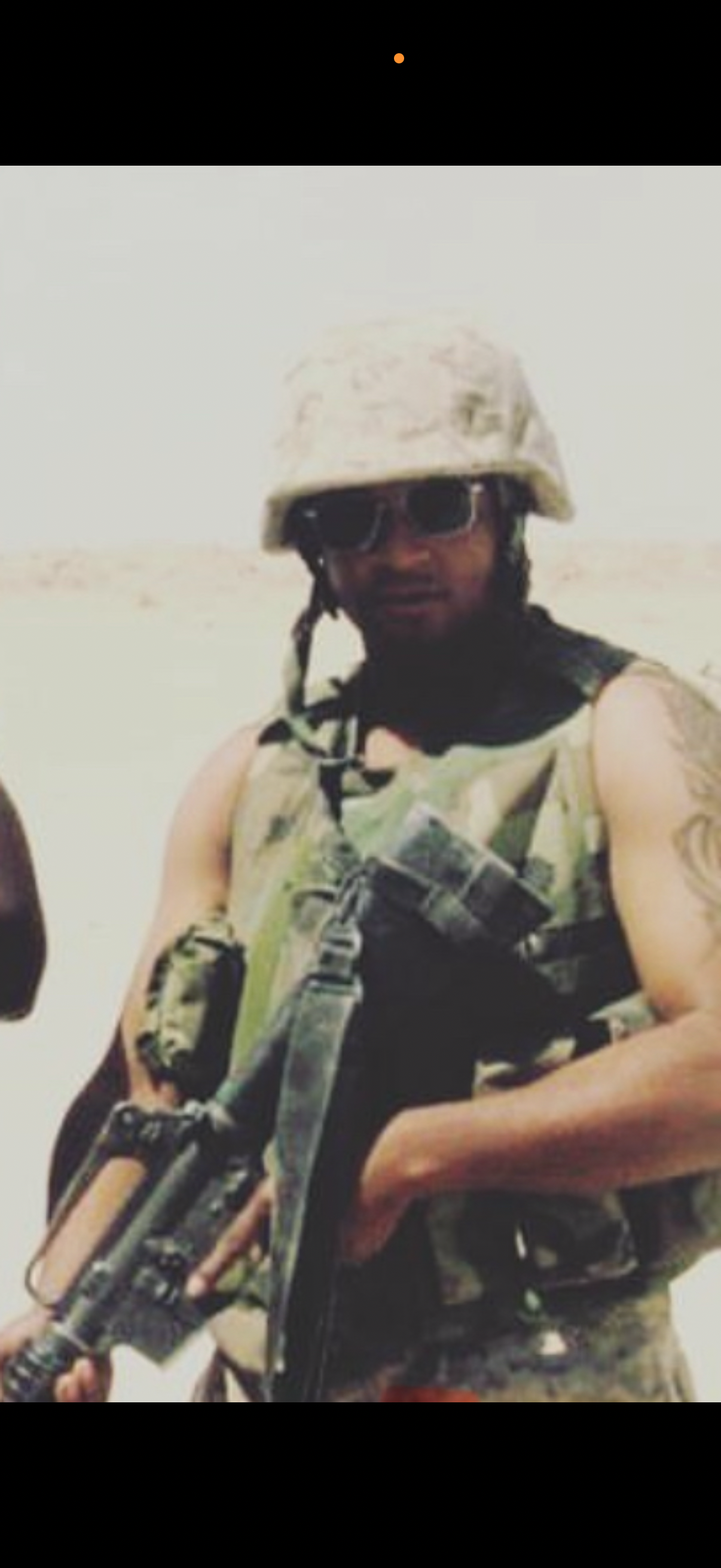
U.S. Marine Corps
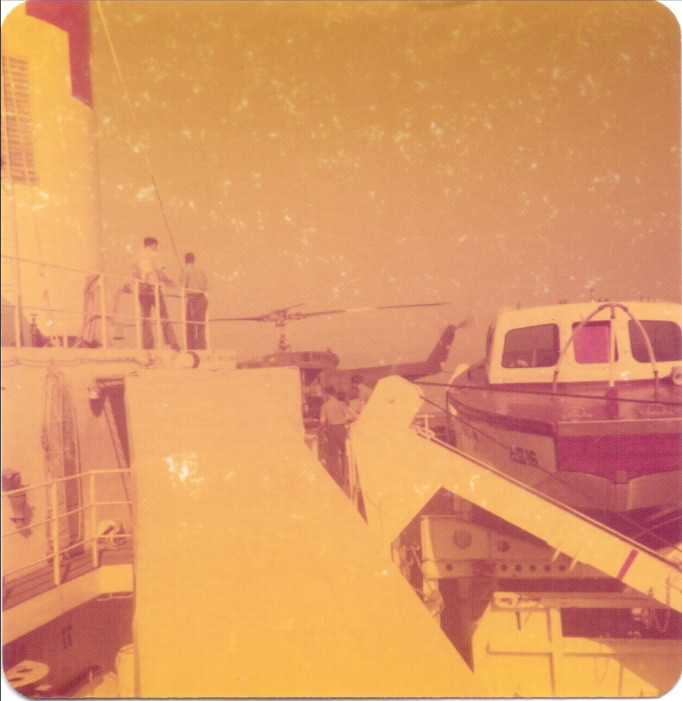
U.S. Marine Corps • 1968
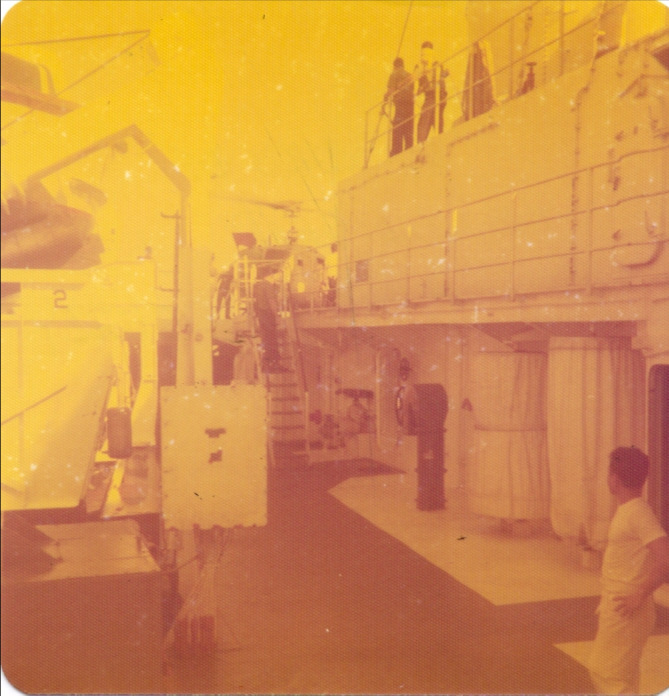
U.S. Marine Corps • 1968
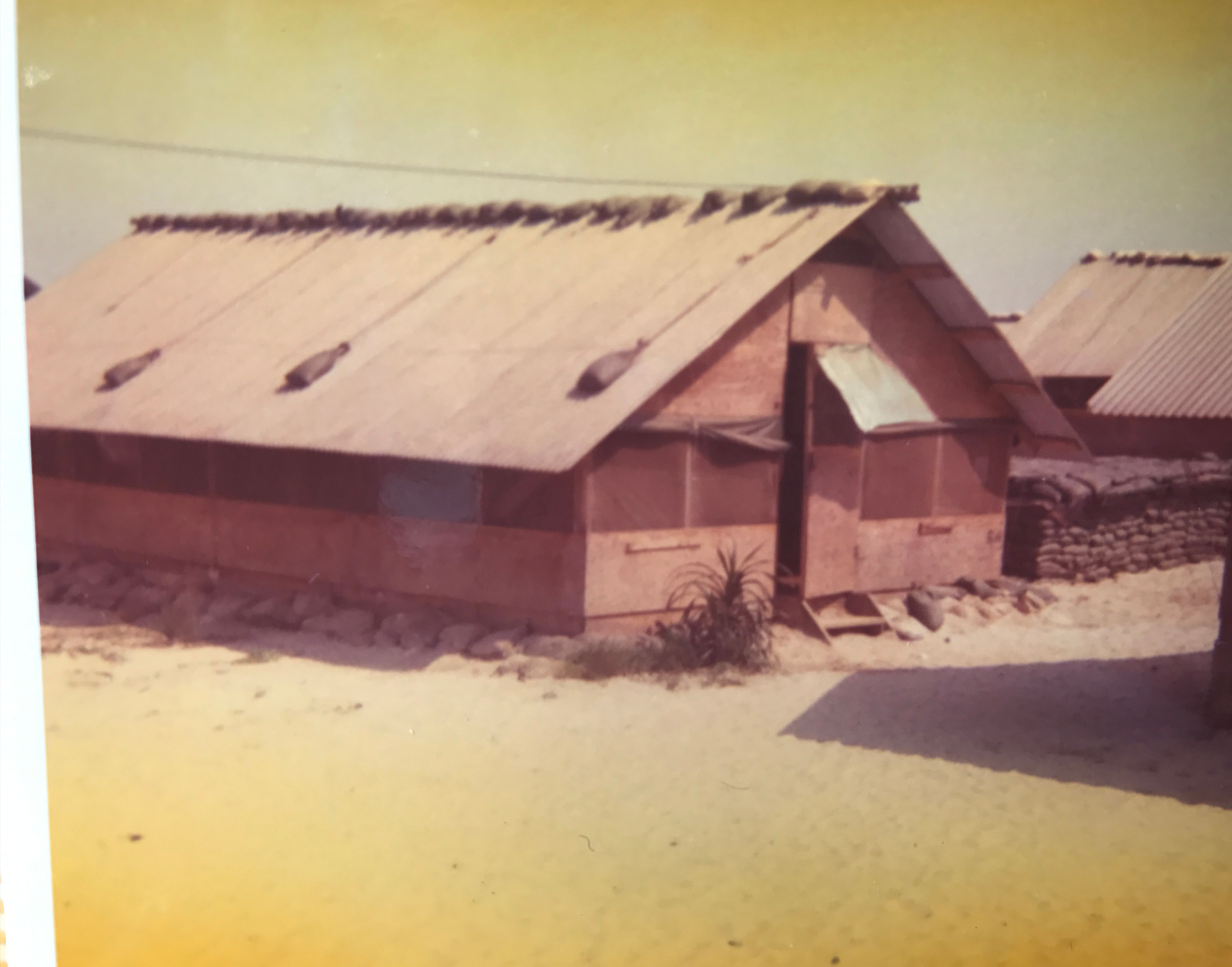
U.S. Marine Corps