
Opening branch overview
Building the branch home surface
Loading branch highlights, featured unit context, and gallery moments.
Overview
Members
Units
Building the branch home surface
Loading branch highlights, featured unit context, and gallery moments.
Building the branch units surface
Loading unit filters, rankings, and the branch unit grid.

1 members•1 unit
Relive and share the memories of your service-time with your brothers and sisters in arms today. VetFriends.com can help you reconnect.
Did you proudly serve in the SOP Desert Storm?
Are you looking for someone who is or was in the SOP Desert Storm?
Do you have SOP Desert Storm photos you'd like to share?
Then join a community with your brothers and sisters of the SOP Desert Storm.
Branch
U.S. Marine Corps
Members
1
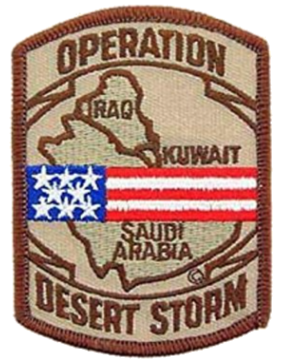
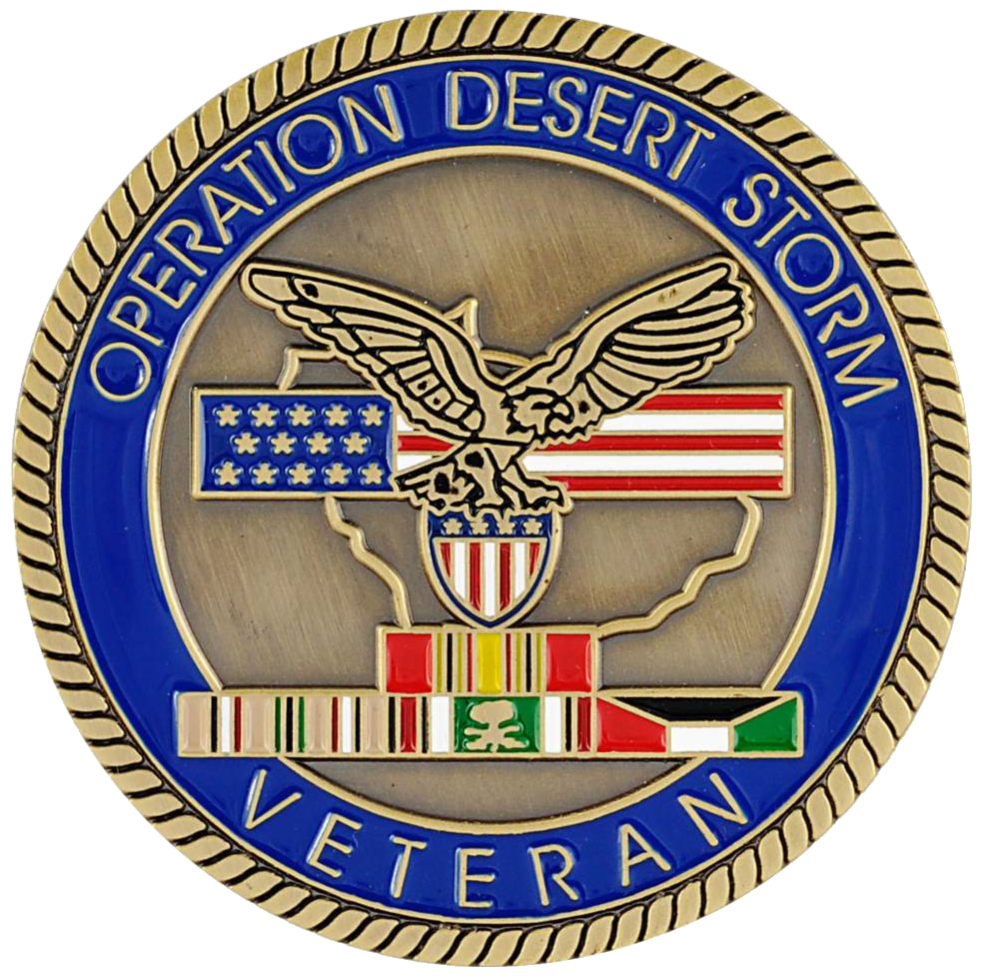
**SOP Desert Storm** was a specialized operational planning unit formed in late 1990 in preparation for Operation Desert Storm, the combat phase of the Gulf War. Tasked with developing and refining standard operating procedures (SOPs) for coalition forces, the unit coordinated tactics, logistics, and joint operations among U.S. and allied military branches. Their meticulous planning contributed to the swift and decisive victory over Iraqi forces in early 1991. After the success of Desert Storm, the unit's methods were studied and adapted for future multinational operations.

U.S. Marine Corps
U.S. Marine Corps
U.S. Marine Corps
U.S. Marine Corps