
Opening branch overview
Building the branch home surface
Loading branch highlights, featured unit context, and gallery moments.
Overview
Members
Units
Building the branch home surface
Loading branch highlights, featured unit context, and gallery moments.
Building the branch units surface
Loading unit filters, rankings, and the branch unit grid.

8 members•1 unit
Relive and share the memories of your service-time with your brothers and sisters in arms today. VetFriends.com can help you reconnect.
Did you proudly serve in the SOMS Crash Crew?
Are you looking for someone who is or was in the SOMS Crash Crew?
Do you have SOMS Crash Crew photos you'd like to share?
Then join a community with your brothers and sisters of the SOMS Crash Crew.
Branch
U.S. Marine Corps
Members
8
The SOMS Crash Crew, originally established in the mid-20th century, served as the primary aircraft rescue and firefighting (ARFF) unit for the Station Operations and Maintenance Squadron (SOMS) at various U.S. military air stations. Tasked with rapid emergency response, the Crash Crew was trained to handle aircraft fires, hazardous material incidents, and personnel rescue missions on the flight line. Over the decades, they became renowned for their expertise, discipline, and crucial support during both peacetime operations and crisis situations. Their legacy endures in the high standards of safety and readiness they set for all subsequent ARFF units in the armed forces.
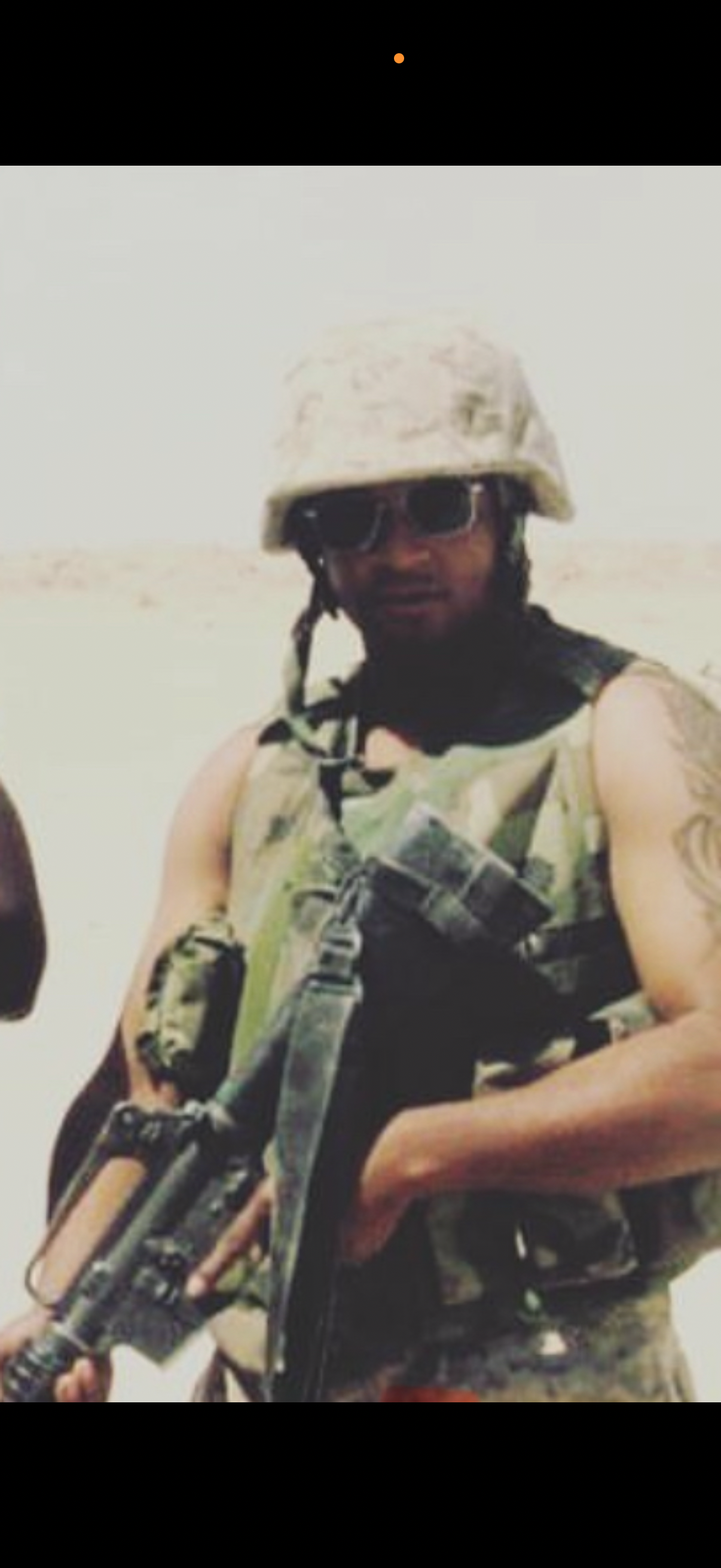
U.S. Marine Corps
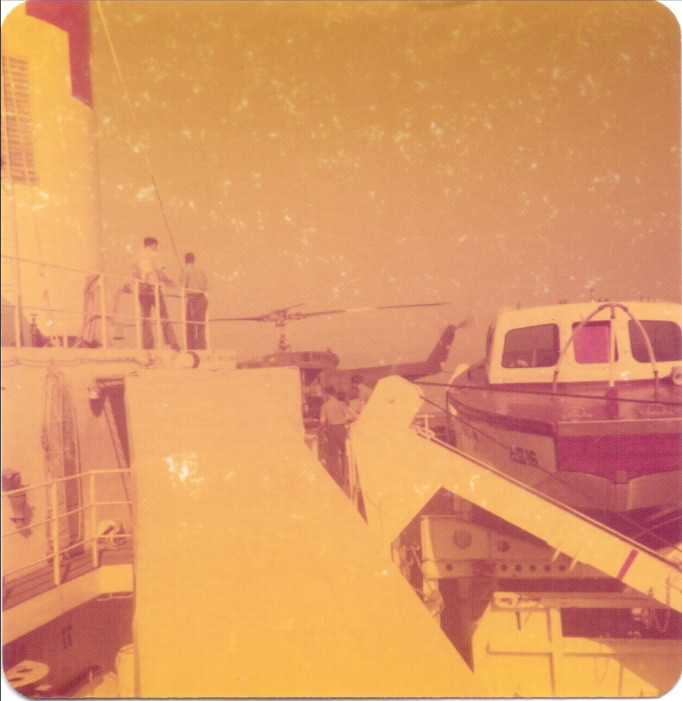
U.S. Marine Corps • 1968
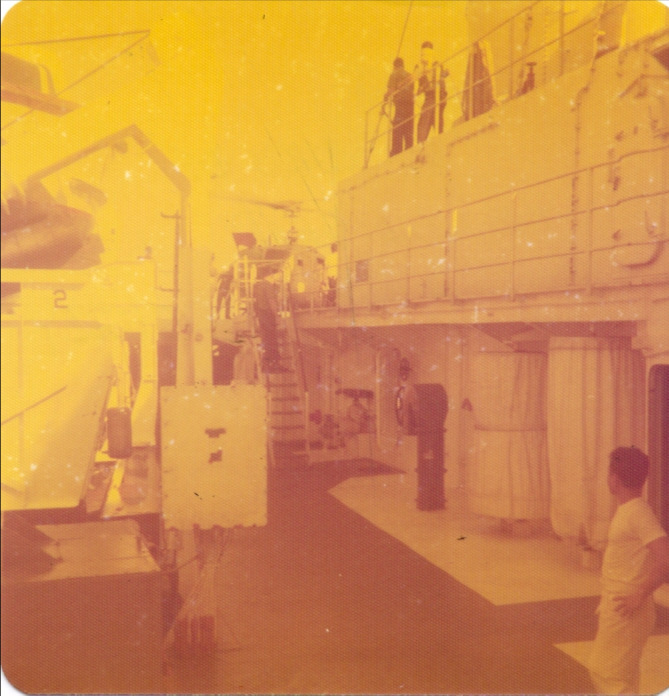
U.S. Marine Corps • 1968
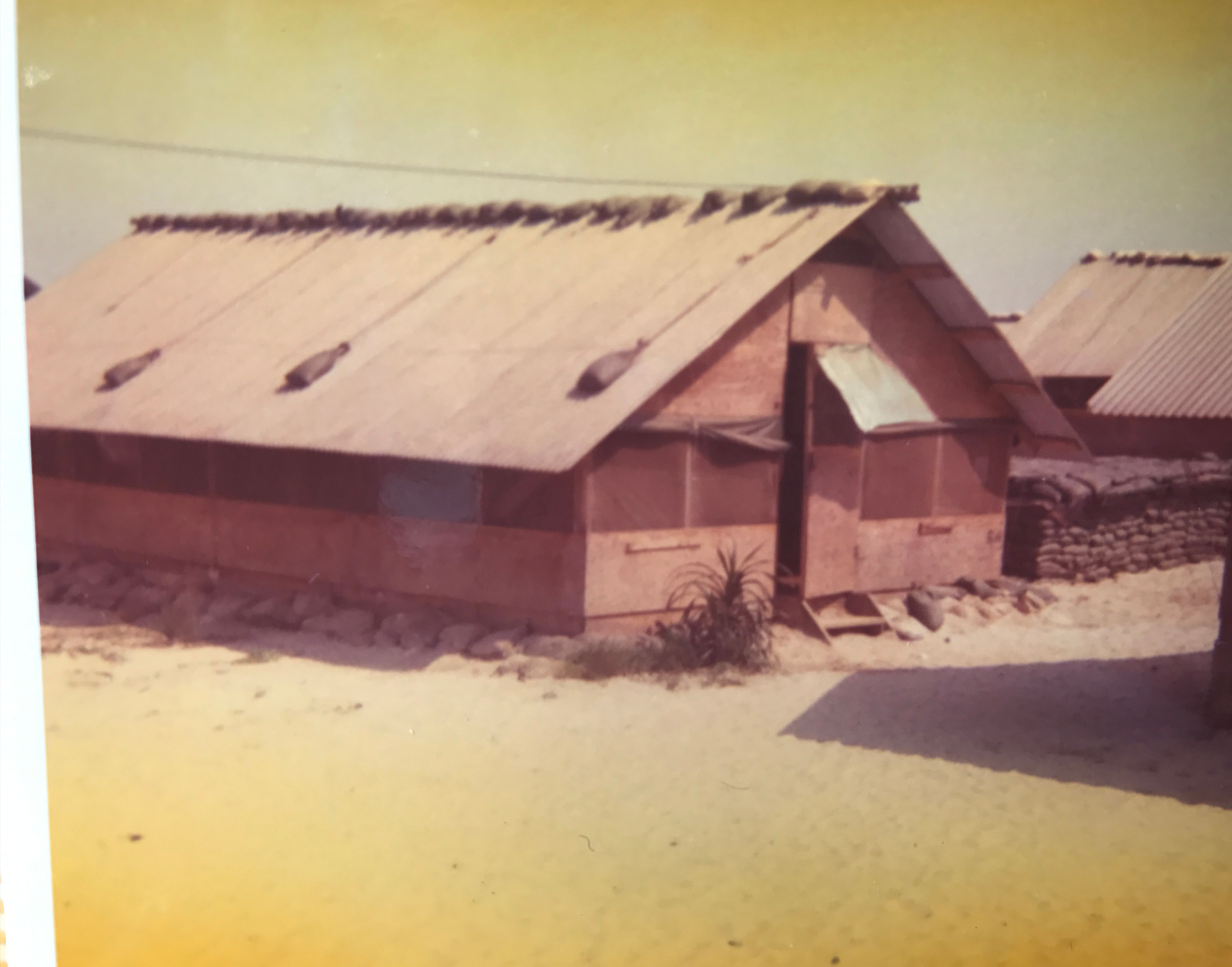
U.S. Marine Corps