
Opening branch overview
Building the branch home surface
Loading branch highlights, featured unit context, and gallery moments.
Overview
Members
Units
Building the branch home surface
Loading branch highlights, featured unit context, and gallery moments.
Building the branch units surface
Loading unit filters, rankings, and the branch unit grid.

U.S. Marine Corps•12 members
Relive and share the memories of your service-time with your brothers and sisters in arms today. VetFriends.com can help you reconnect.
Did you proudly serve in the OCS?
Are you looking for someone who is or was in the OCS?
Do you have OCS photos you'd like to share?
Then join a community with your brothers and sisters of the OCS.
The Officer Candidate School (OCS) is a military training institution established to commission officers in various branches of the armed forces. Originating in the United States during World War I and expanding significantly during World War II, OCS was designed to quickly and effectively prepare enlisted personnel and civilians for leadership roles. The curriculum emphasizes leadership development, military tactics, and physical fitness, ensuring candidates are ready for the responsibilities of command. Today, OCS continues to serve as a vital pathway for commissioning officers, adapting its programs to meet the evolving needs of modern militaries.
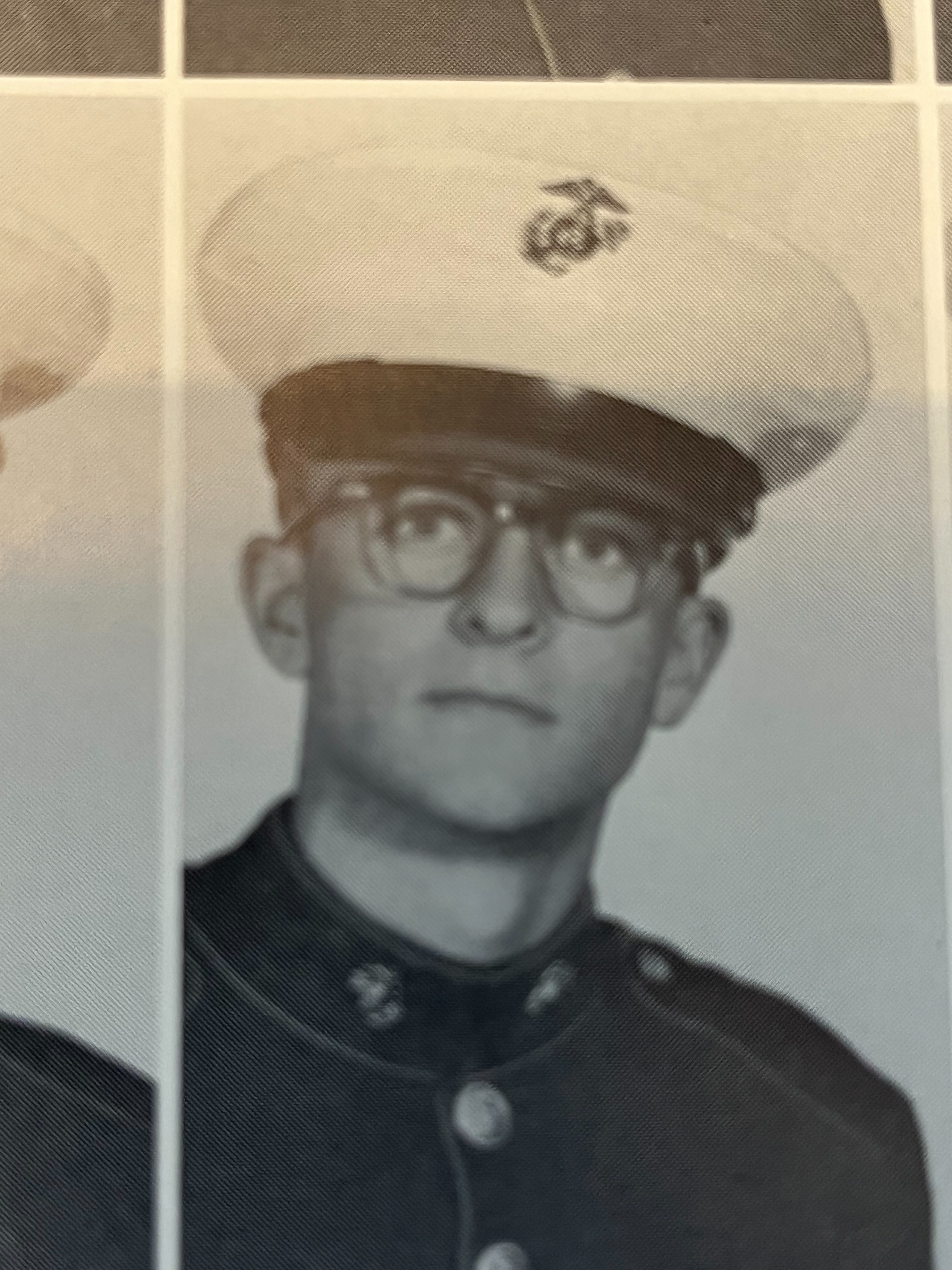
U.S. Marine Corps • 1968
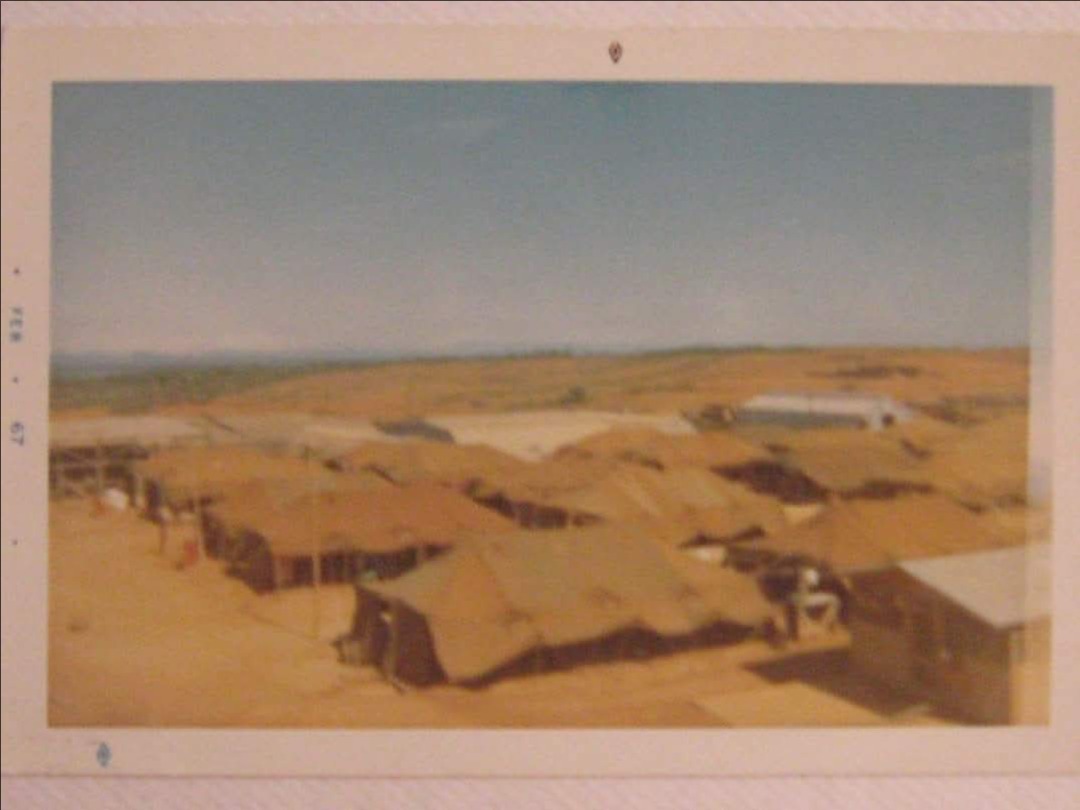
U.S. Marine Corps
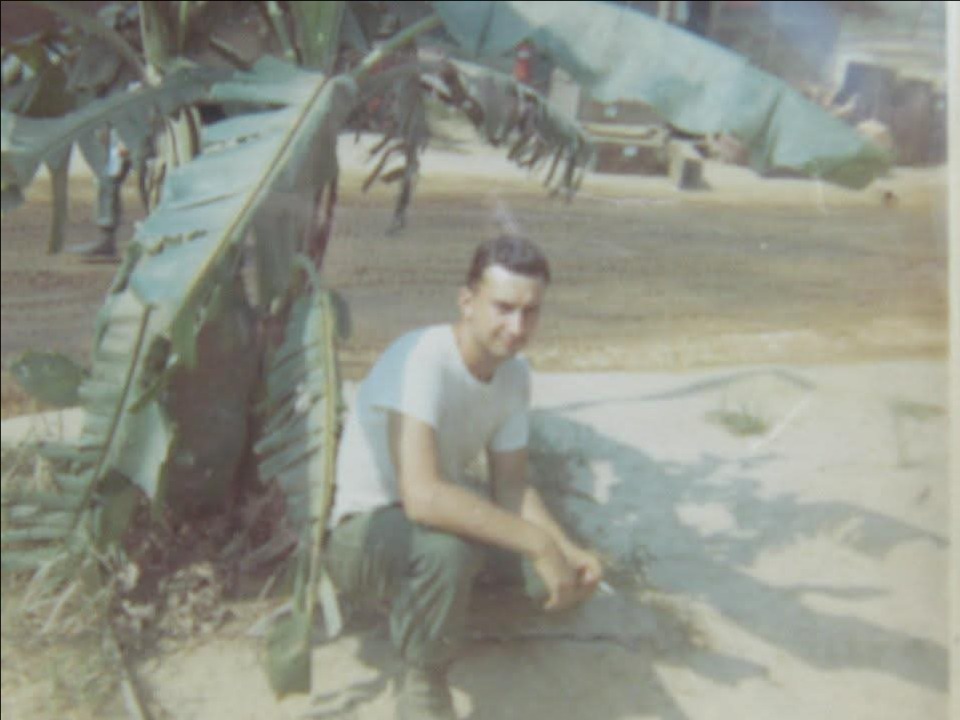
U.S. Marine Corps
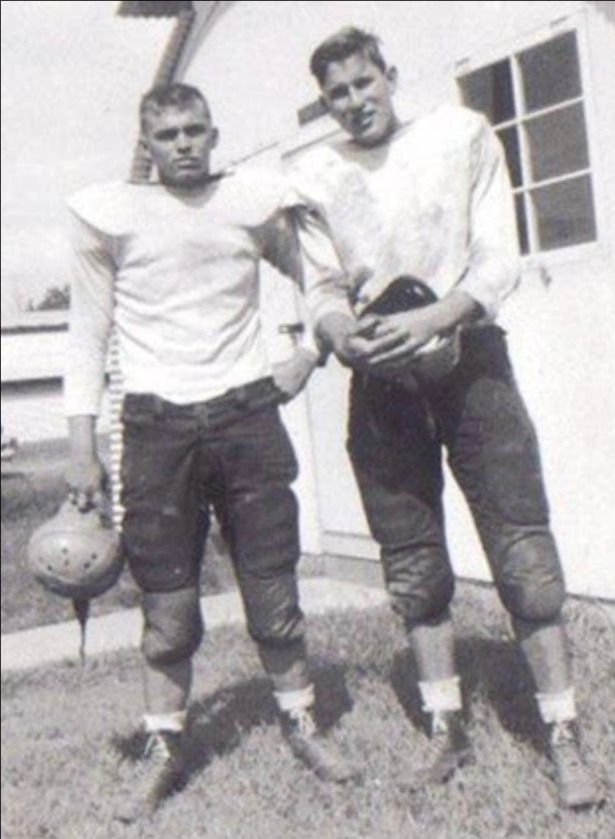
U.S. Marine Corps