
Opening branch overview
Building the branch home surface
Loading branch highlights, featured unit context, and gallery moments.
Overview
Members
Units
Building the branch home surface
Loading branch highlights, featured unit context, and gallery moments.
Building the branch units surface
Loading unit filters, rankings, and the branch unit grid.

9 members•1 unit
Relive and share the memories of your service-time with your brothers and sisters in arms today. VetFriends.com can help you reconnect.
Did you proudly serve in the Merchant Marine Reserve?
Are you looking for someone who is or was in the Merchant Marine Reserve?
Do you have Merchant Marine Reserve photos you'd like to share?
Then join a community with your brothers and sisters of the Merchant Marine Reserve.
Branch
U.S. Marine Corps
Members
9
The Merchant Marine Reserve, established in 1913, was created as a component of the United States Naval Reserve to provide a pool of trained merchant mariners who could be called upon for naval service during times of conflict. Members were civilian mariners who received naval training and commissions, enabling them to serve as officers aboard merchant ships operating under naval control during wartime. The Reserve played a significant role during both World Wars, ensuring vital supply lines remained open by manning and protecting merchant vessels. In 1938, it was officially renamed the Naval Reserve Merchant Marine, and its legacy continues today in the Strategic Sealift Officer Program, supporting the Navy’s sealift and logistics missions.
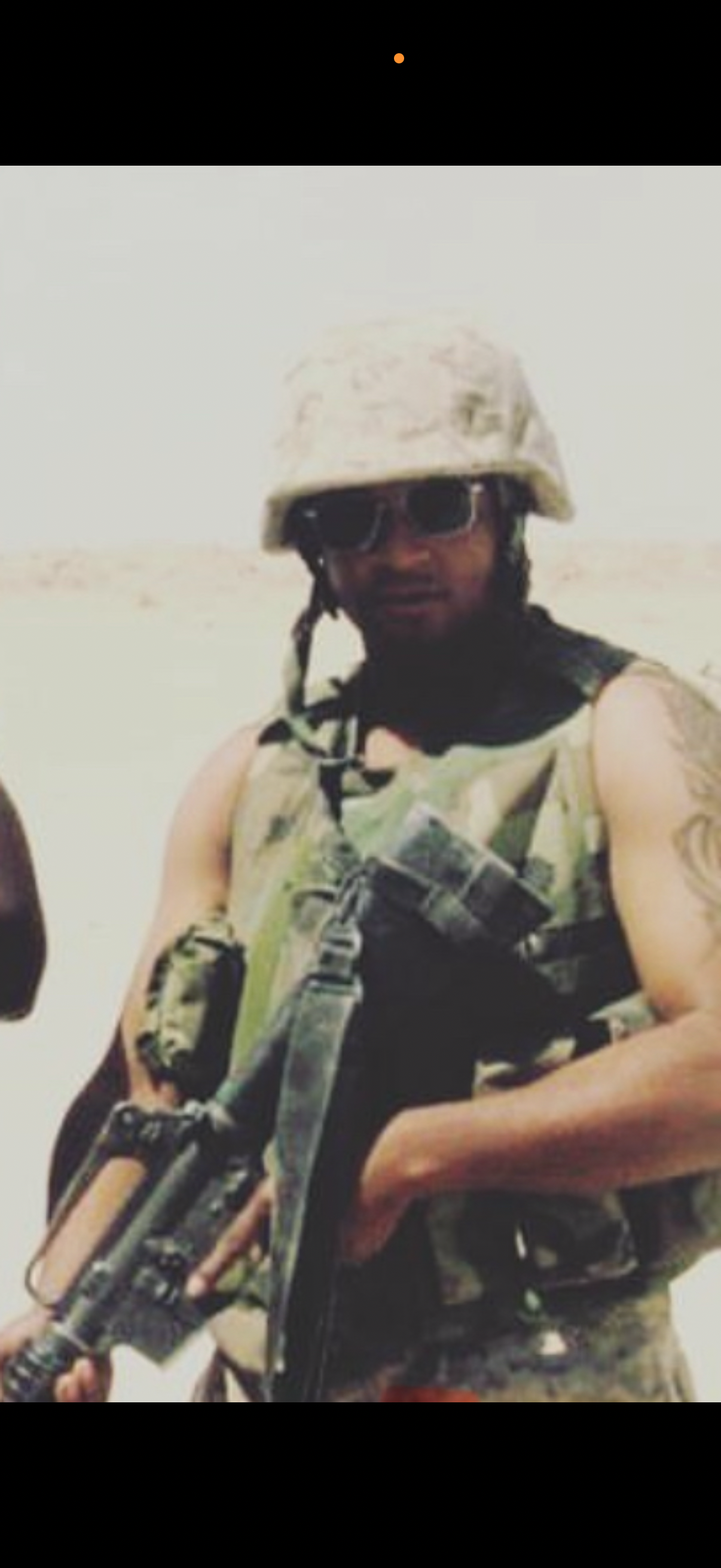
U.S. Marine Corps

U.S. Marine Corps • 1968
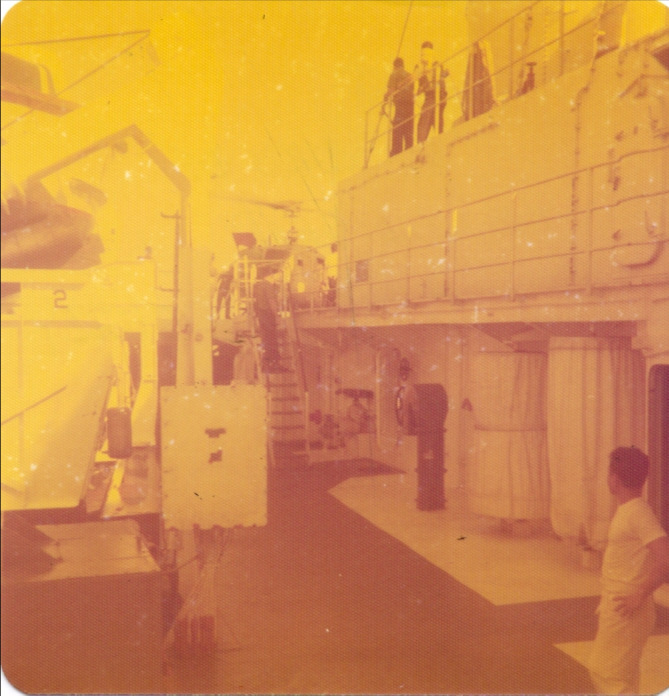
U.S. Marine Corps • 1968
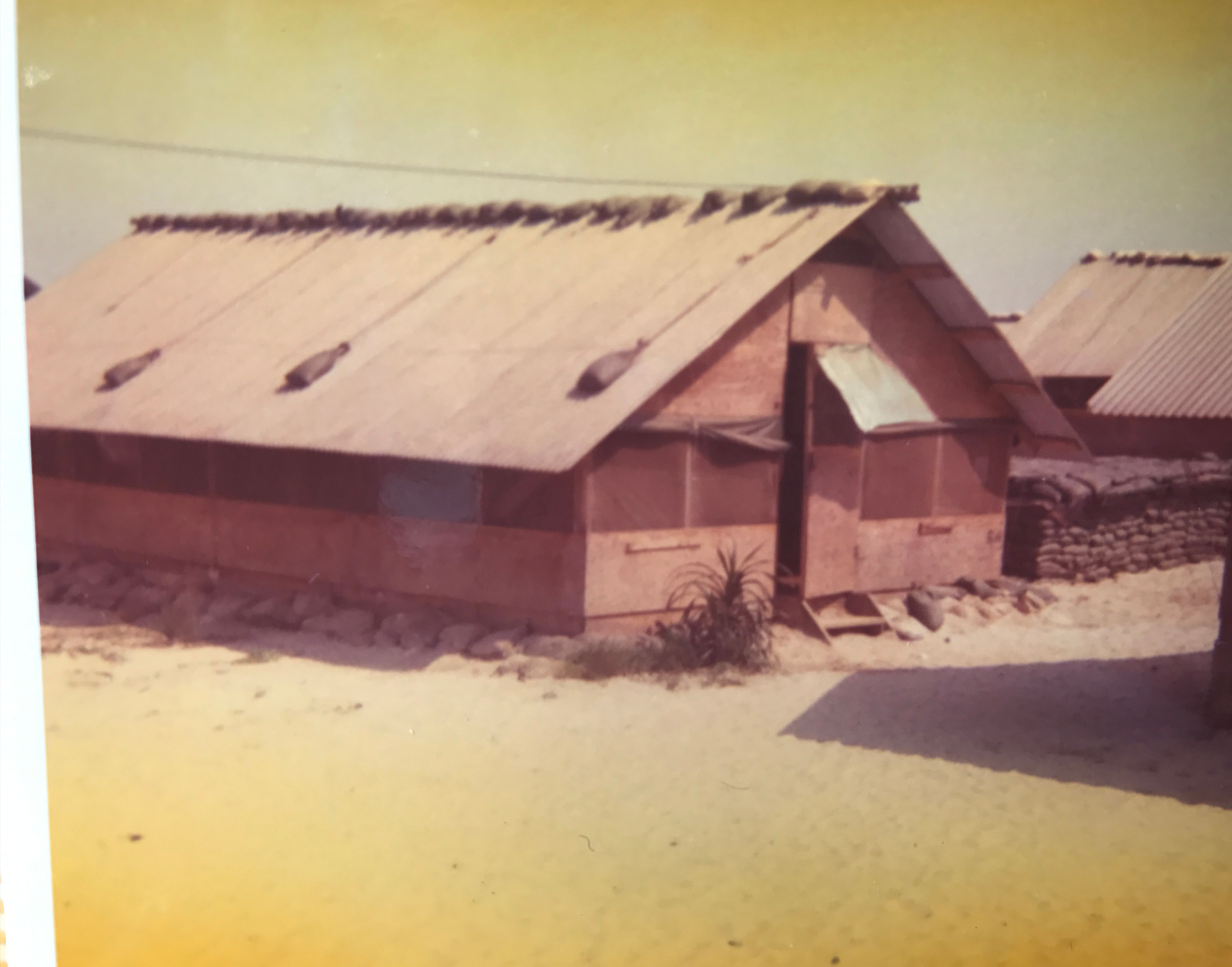
U.S. Marine Corps