
Opening branch overview
Building the branch home surface
Loading branch highlights, featured unit context, and gallery moments.
Overview
Members
Units
Building the branch home surface
Loading branch highlights, featured unit context, and gallery moments.
Building the branch units surface
Loading unit filters, rankings, and the branch unit grid.

7 members•1 unit
Relive and share the memories of your service-time with your brothers and sisters in arms today. VetFriends.com can help you reconnect.
Did you proudly serve in the Merchant Marine?
Are you looking for someone who is or was in the Merchant Marine?
Do you have Merchant Marine photos you'd like to share?
Then join a community with your brothers and sisters of the Merchant Marine.
Branch
U.S. Marine Corps
Members
7
The United States Merchant Marine is a vital civilian auxiliary that has served alongside the U.S. military during every major conflict since the Revolutionary War. During World War II, the Merchant Marine played a critical role in transporting troops, equipment, and supplies across dangerous waters, often facing enemy submarines and aircraft. Merchant Mariners suffered one of the highest casualty rates of any service in the war, with thousands losing their lives to enemy action. Today, the Merchant Marine continues to support military operations and humanitarian missions worldwide, operating under both peacetime and wartime conditions.

U.S. Marine Corps
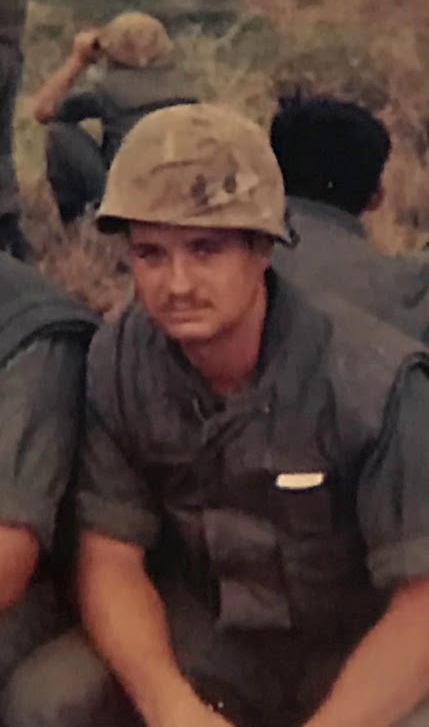
U.S. Marine Corps
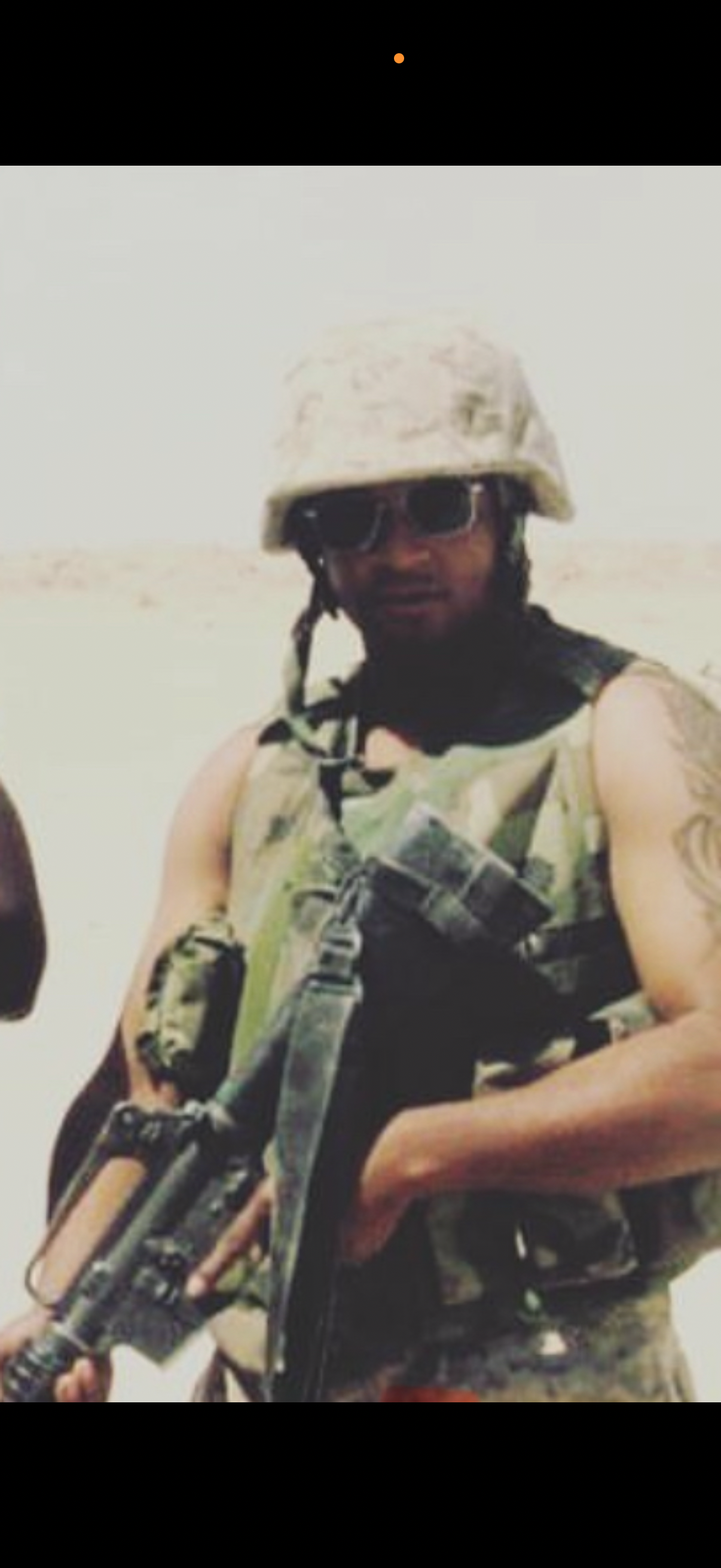
U.S. Marine Corps

U.S. Marine Corps • 1968