
Opening branch overview
Building the branch home surface
Loading branch highlights, featured unit context, and gallery moments.
Overview
Members
Units
Building the branch home surface
Loading branch highlights, featured unit context, and gallery moments.
Building the branch units surface
Loading unit filters, rankings, and the branch unit grid.

U.S. Marine Corps•13 members
Relive and share the memories of your service-time with your brothers and sisters in arms today. VetFriends.com can help you reconnect.
Did you proudly serve in the MCCES?
Are you looking for someone who is or was in the MCCES?
Do you have MCCES photos you'd like to share?
Then join a community with your brothers and sisters of the MCCES.
The Marine Corps Communications-Electronics School (MCCES) was established in 1932 at Quantico, Virginia, before relocating to Marine Corps Air Ground Combat Center Twentynine Palms, California, in 1971. MCCES serves as the primary training institution for Marines in the fields of communications, electronics maintenance, and tactical data systems. Over the decades, MCCES has adapted its curriculum to meet the evolving technological demands of the Marine Corps, playing a pivotal role in preparing Marines for operations in both peacetime and conflict. The school’s graduates have supported every major Marine Corps operation since World War II, ensuring reliable communications and electronic support on the battlefield.

2nd Marine Aircraft Wing • U.S. Marine Corps • 1971
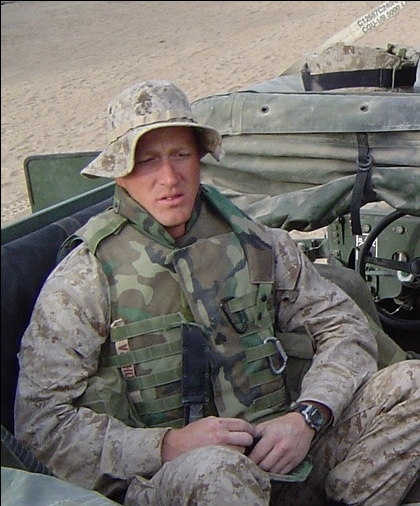
9TH COMM BN • U.S. Marine Corps
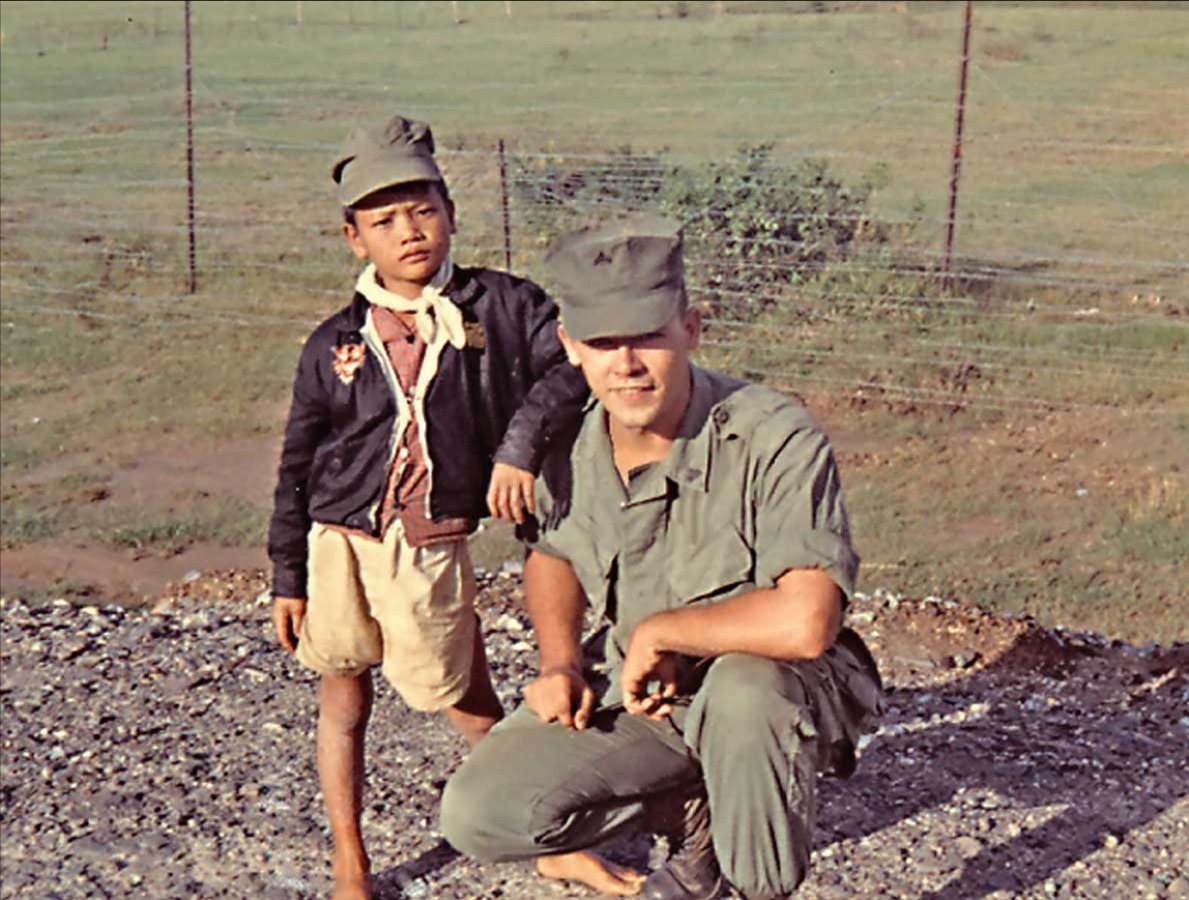
1st Force Recon • U.S. Marine Corps • 1967

U.S. Marine Corps • 1984