
Opening branch overview
Building the branch home surface
Loading branch highlights, featured unit context, and gallery moments.
Overview
Members
Units
Building the branch home surface
Loading branch highlights, featured unit context, and gallery moments.
Building the branch units surface
Loading unit filters, rankings, and the branch unit grid.

U.S. Marine Corps•54 members
Relive and share the memories of your service-time with your brothers and sisters in arms today. VetFriends.com can help you reconnect.
Did you proudly serve in the MCB 7?
Are you looking for someone who is or was in the MCB 7?
Do you have MCB 7 photos you'd like to share?
Then join a community with your brothers and sisters of the MCB 7.
Naval Mobile Construction Battalion SEVEN (MCB 7), known as the "Magnificent Seven," was a unit of the United States Navy Seabees first commissioned during World War II in 1942. The battalion played a crucial role in constructing airfields, bases, and infrastructure across the Pacific Theater, supporting major campaigns such as Guadalcanal and Okinawa. Post-war, MCB 7 was decommissioned and later reactivated for service during the Korean War, the Cold War, and multiple deployments, including Vietnam and the Middle East. Throughout its history, MCB 7 was renowned for its versatility and dedication, supporting both combat operations and humanitarian missions until its final decommissioning in 2012.
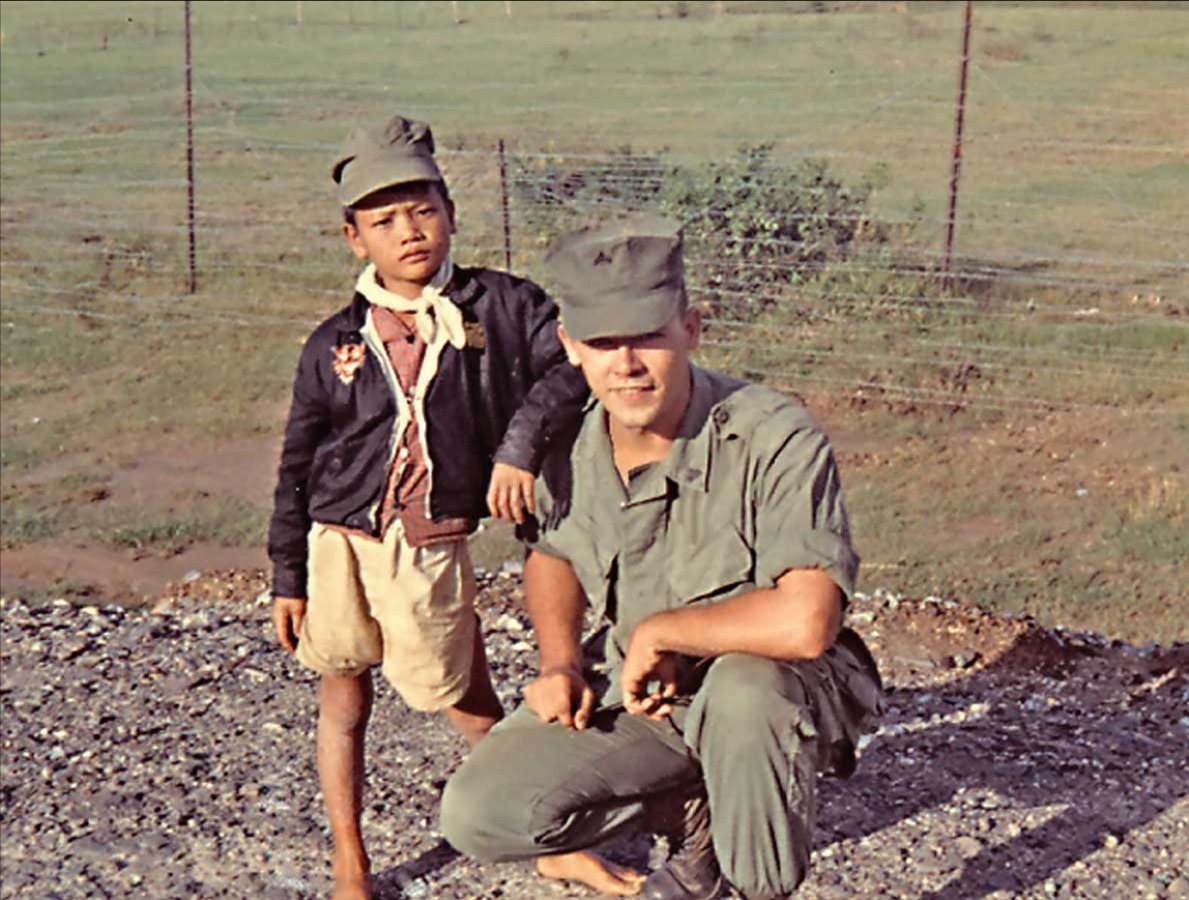
1st Force Recon • U.S. Marine Corps • 1967
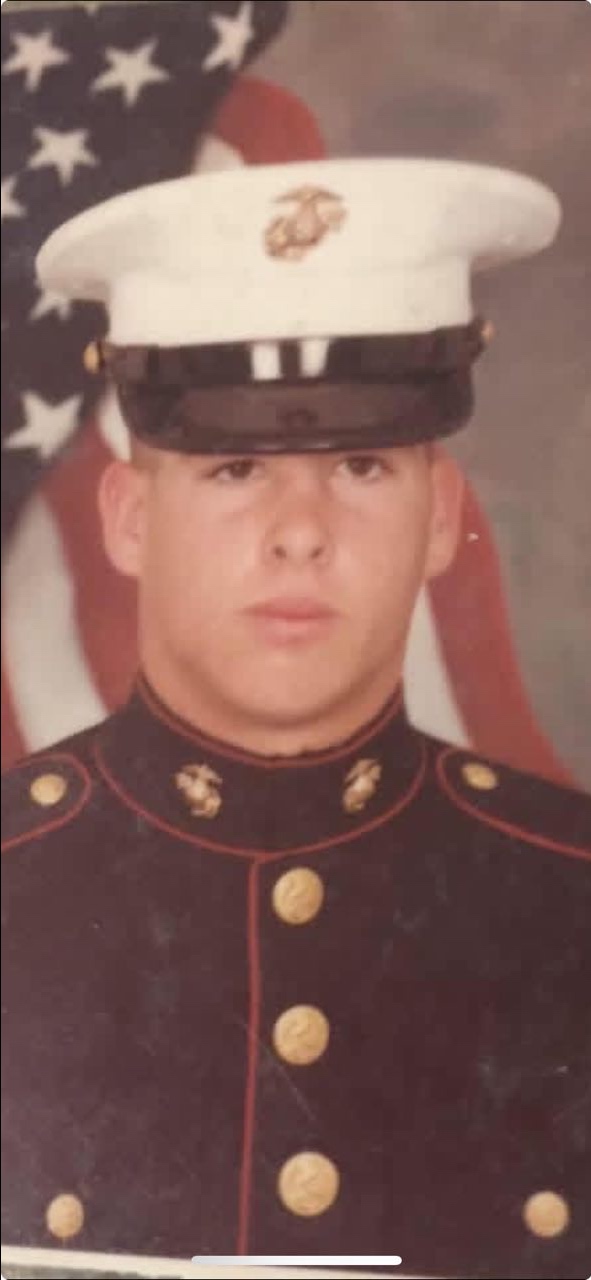
U.S. Marine Corps • 1984

U.S. Marine Corps
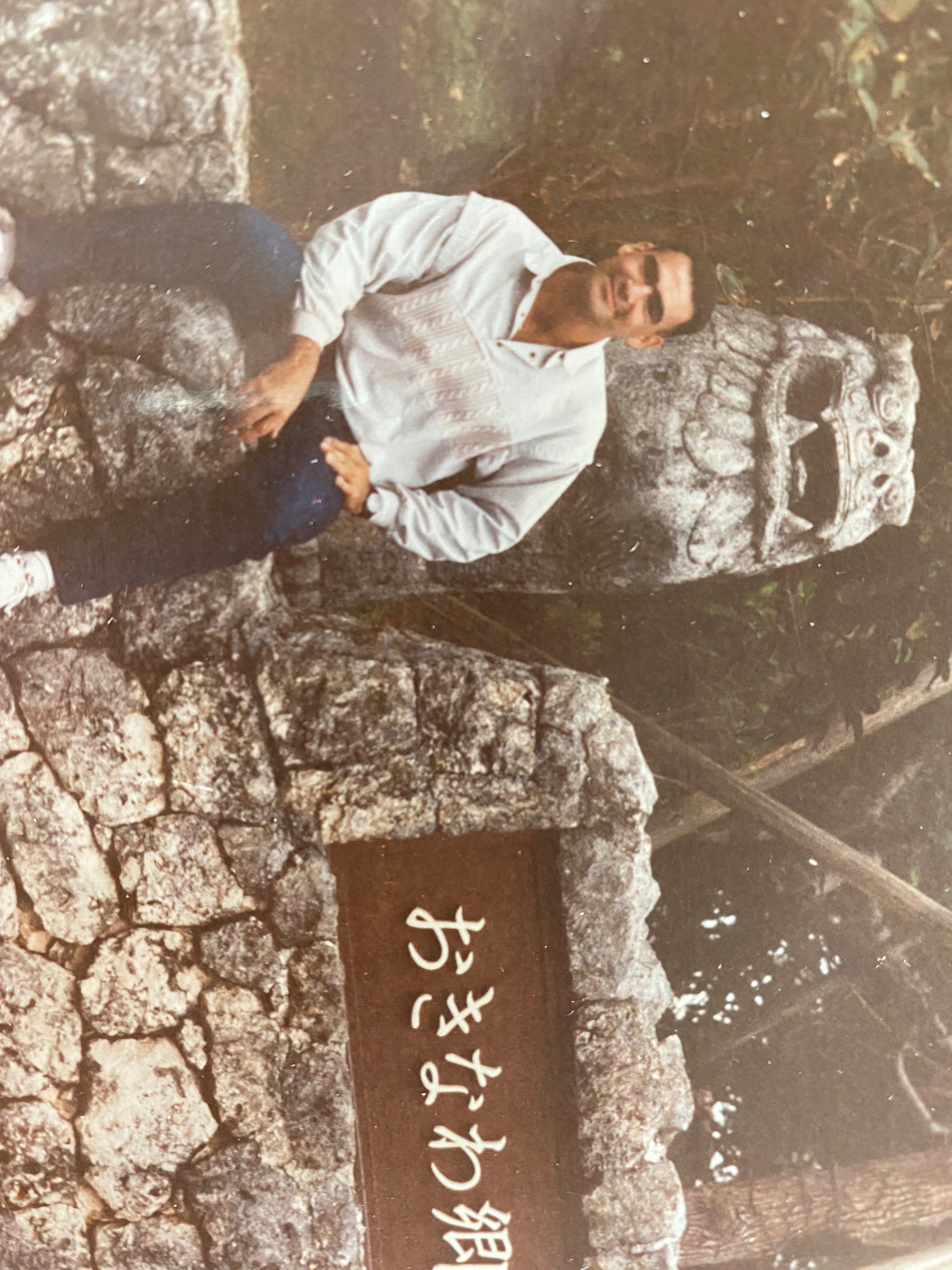
U.S. Marine Corps