
Opening branch overview
Building the branch home surface
Loading branch highlights, featured unit context, and gallery moments.
Overview
Members
Units
Building the branch home surface
Loading branch highlights, featured unit context, and gallery moments.
Building the branch units surface
Loading unit filters, rankings, and the branch unit grid.

18 members•1 unit
Relive and share the memories of your service-time with your brothers and sisters in arms today. VetFriends.com can help you reconnect.
Did you proudly serve in the MCB 121?
Are you looking for someone who is or was in the MCB 121?
Do you have MCB 121 photos you'd like to share?
Then join a community with your brothers and sisters of the MCB 121.
Branch
U.S. Marine Corps
Members
18
Marine Corps Base (MCB) 121, also known as Naval Mobile Construction Battalion 121 (NMCB 121), was a U.S. Navy Seabee unit established during the height of the Cold War. Commissioned in 1943, NMCB 121 played a crucial role in constructing and maintaining military infrastructure in the Pacific Theater during World War II. The battalion saw extensive service in Vietnam, where it built airfields, roads, and base facilities, often under hostile conditions. After decades of distinguished service supporting both combat and humanitarian missions, MCB 121 was eventually decommissioned as part of the Navy’s post-Cold War realignment.
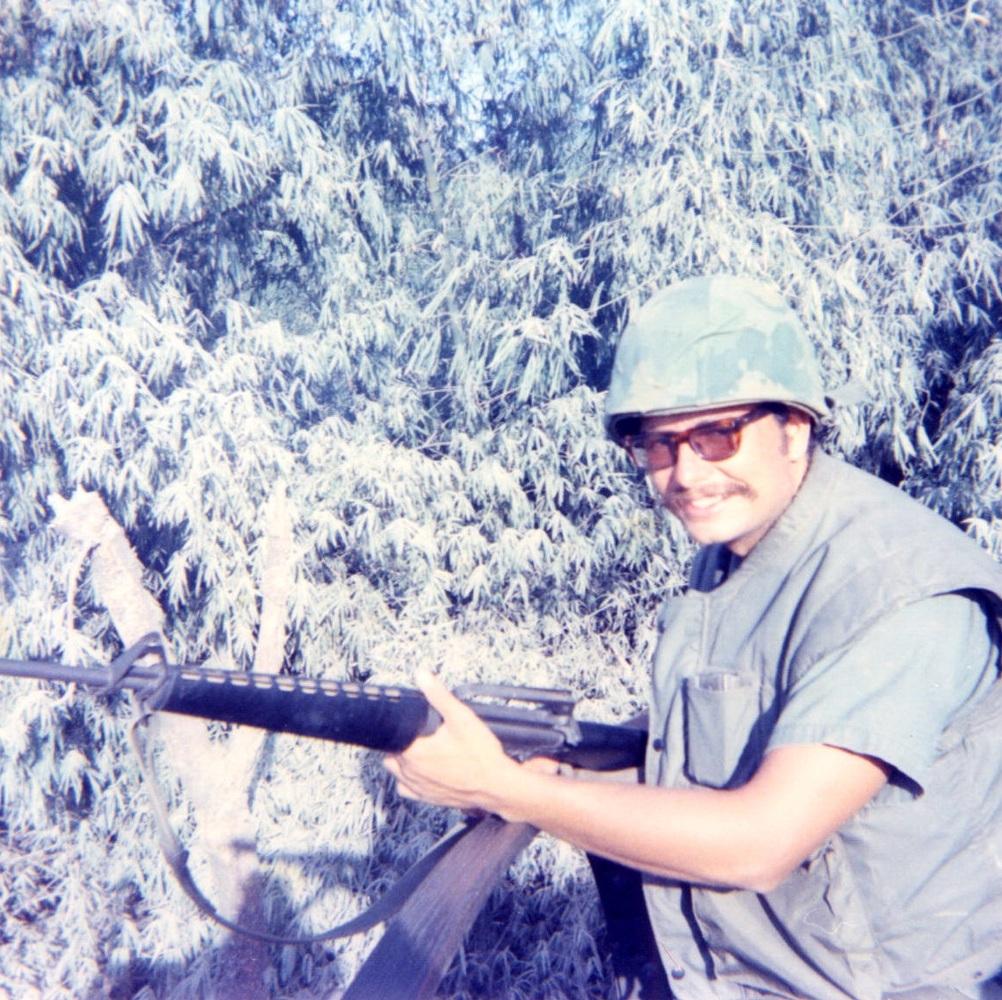
U.S. Navy
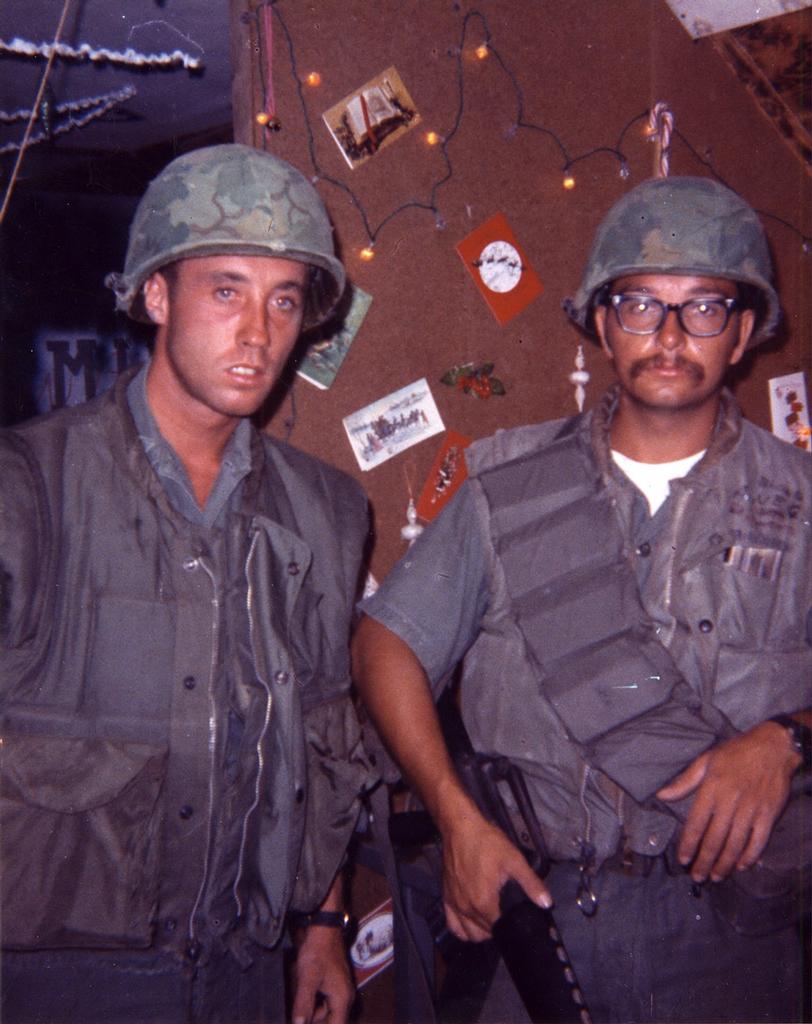
U.S. Navy