
Opening branch overview
Building the branch home surface
Loading branch highlights, featured unit context, and gallery moments.
Overview
Members
Units
Building the branch home surface
Loading branch highlights, featured unit context, and gallery moments.
Building the branch units surface
Loading unit filters, rankings, and the branch unit grid.

38 members•1 unit
Relive and share the memories of your service-time with your brothers and sisters in arms today. VetFriends.com can help you reconnect.
Did you proudly serve in the MCAS Futenma?
Are you looking for someone who is or was in the MCAS Futenma?
Do you have MCAS Futenma photos you'd like to share?
Then join a community with your brothers and sisters of the MCAS Futenma.
Branch
U.S. Marine Corps
Members
38
Marine Corps Air Station (MCAS) Futenma is a United States Marine Corps base located in Ginowan City, Okinawa, Japan. Originally constructed by the U.S. military following the Battle of Okinawa in 1945, the airfield became a key strategic base for Marine aviation operations in the Pacific region during the post-World War II era. Throughout the Korean and Vietnam Wars, MCAS Futenma served as a vital hub for logistics, training, and deployment of Marine aviation units. Today, it continues to play a central role in U.S.-Japan security cooperation, although its location amid a densely populated urban area has made it a focal point of local and international debate regarding U.S. military presence on Okinawa.
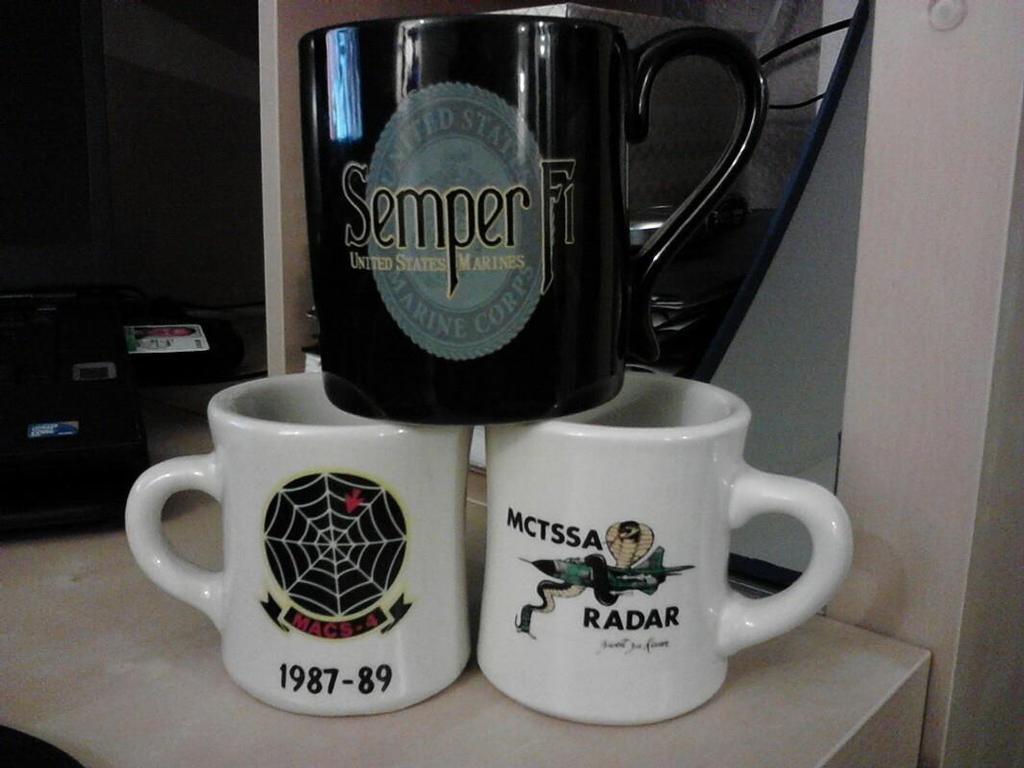
U.S. Marine Corps

U.S. Marine Corps
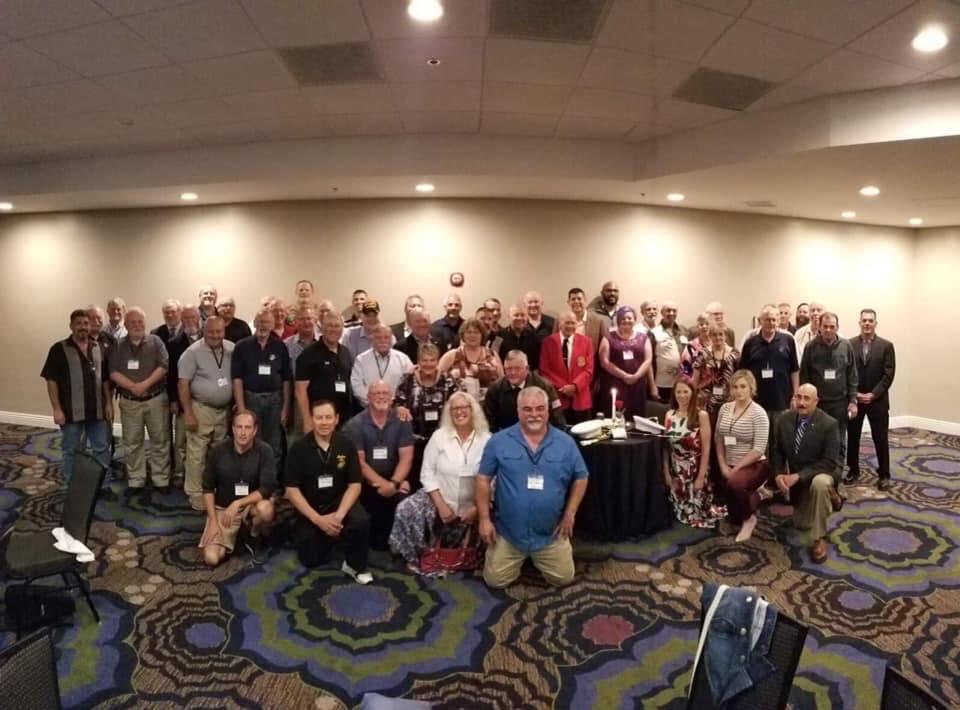
U.S. Marine Corps
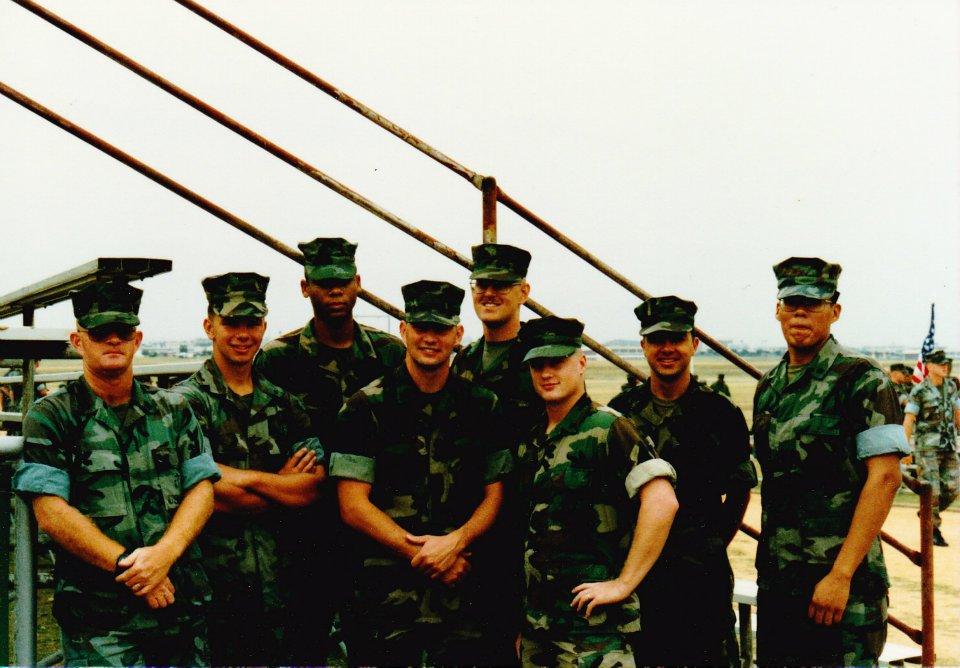
U.S. Marine Corps