
Opening branch overview
Building the branch home surface
Loading branch highlights, featured unit context, and gallery moments.
Overview
Members
Units
Building the branch home surface
Loading branch highlights, featured unit context, and gallery moments.
Building the branch units surface
Loading unit filters, rankings, and the branch unit grid.

U.S. Marine Corps•118 members
Relive and share the memories of your service-time with your brothers and sisters in arms today. VetFriends.com can help you reconnect.
Did you proudly serve in the MCAS El Toro?
Are you looking for someone who is or was in the MCAS El Toro?
Do you have MCAS El Toro photos you'd like to share?
Then join a community with your brothers and sisters of the MCAS El Toro.
Marine Corps Air Station (MCAS) El Toro was commissioned in 1942 in Orange County, California, serving as a major United States Marine Corps air base during World War II and throughout the Cold War. The station played a pivotal role in training pilots and supporting Marine aviation units during conflicts such as the Korean and Vietnam Wars. Over the decades, El Toro became one of the largest Marine air stations on the West Coast, hosting a variety of fixed-wing and rotary aircraft. MCAS El Toro was officially closed in 1999 as part of the Base Realignment and Closure (BRAC) program, with its functions transferred to other bases and much of its land repurposed for civilian use.
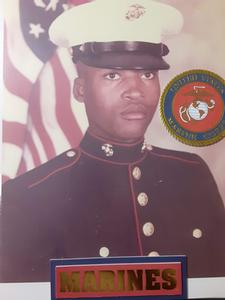
N/A • U.S. Marine Corps • 1981
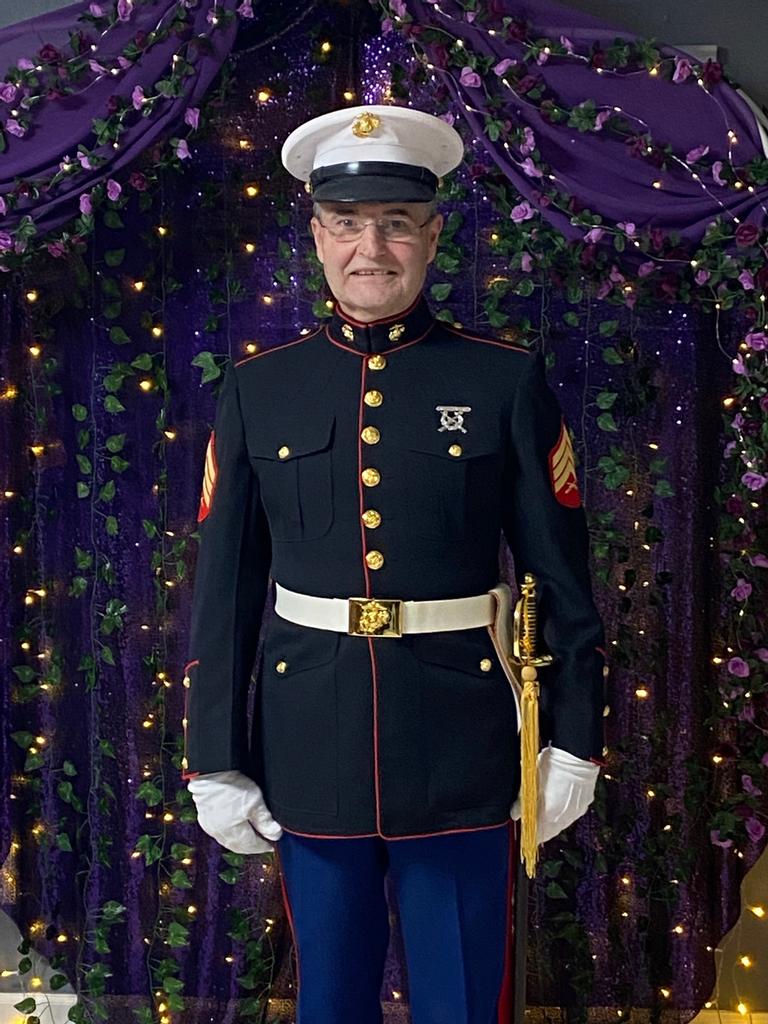
U.S. Marine Corps
MCAS El Toro • U.S. Marine Corps • 1977
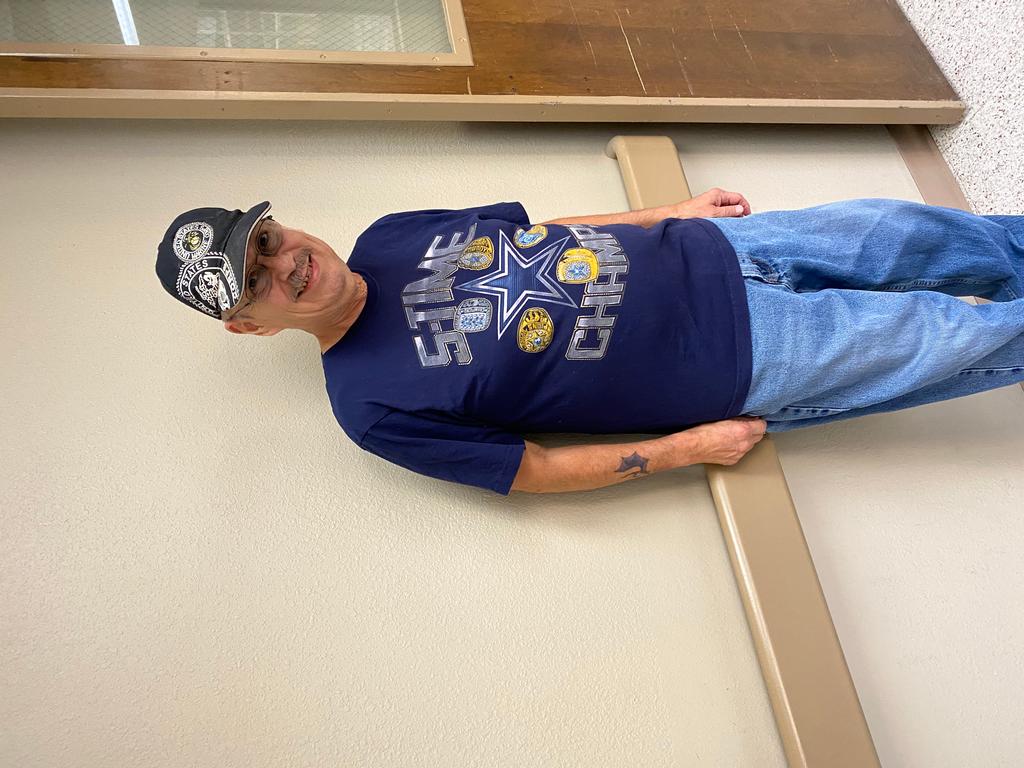
U.S. Marine Corps