
Opening branch overview
Building the branch home surface
Loading branch highlights, featured unit context, and gallery moments.
Overview
Members
Units
Building the branch home surface
Loading branch highlights, featured unit context, and gallery moments.
Building the branch units surface
Loading unit filters, rankings, and the branch unit grid.

U.S. Marine Corps•19 members
Relive and share the memories of your service-time with your brothers and sisters in arms today. VetFriends.com can help you reconnect.
Did you proudly serve in the MCAGCC Base Comm?
Are you looking for someone who is or was in the MCAGCC Base Comm?
Do you have MCAGCC Base Comm photos you'd like to share?
Then join a community with your brothers and sisters of the MCAGCC Base Comm.
The Marine Corps Air Ground Combat Center (MCAGCC) Base Communications (Base Comm) unit provides vital communication support to the largest United States Marine Corps base, located in Twentynine Palms, California. Established to ensure secure, reliable, and modern information systems, Base Comm has played a crucial role in supporting training exercises, operational commands, and daily base activities since the center's activation in 1952. Over the decades, the unit has adapted to advancements in communications technology, maintaining robust networks and ensuring operational readiness for both peacetime and combat scenarios. Through its dedicated efforts, Base Comm enables command and control, situational awareness, and mission success for all units operating within MCAGCC.
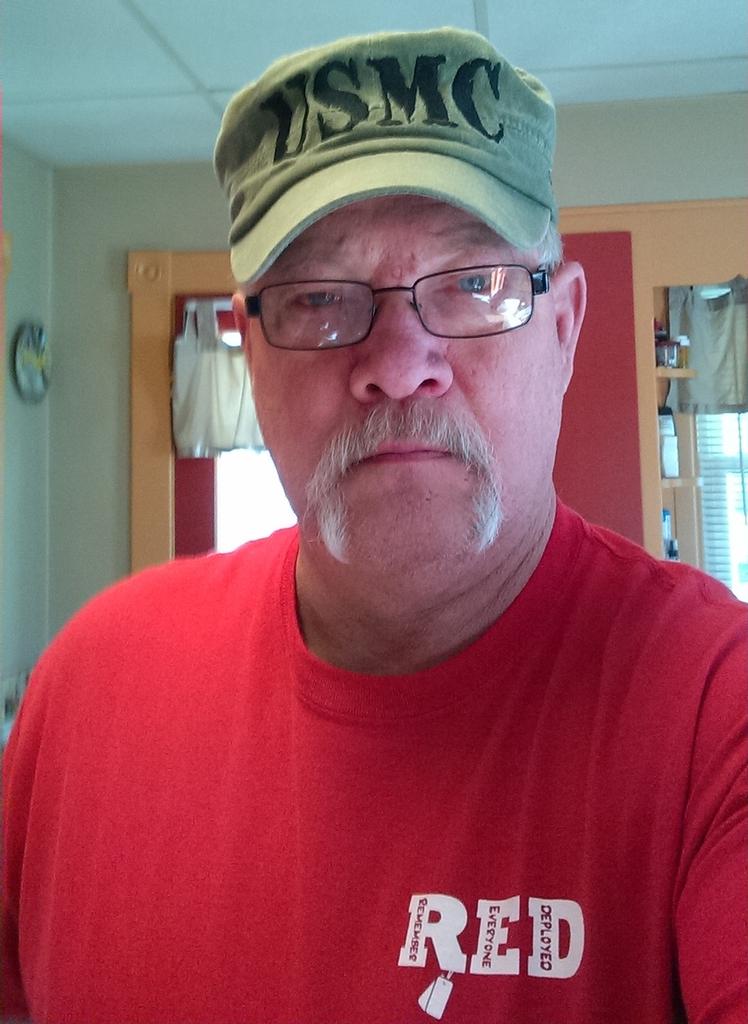
U.S. Marine Corps
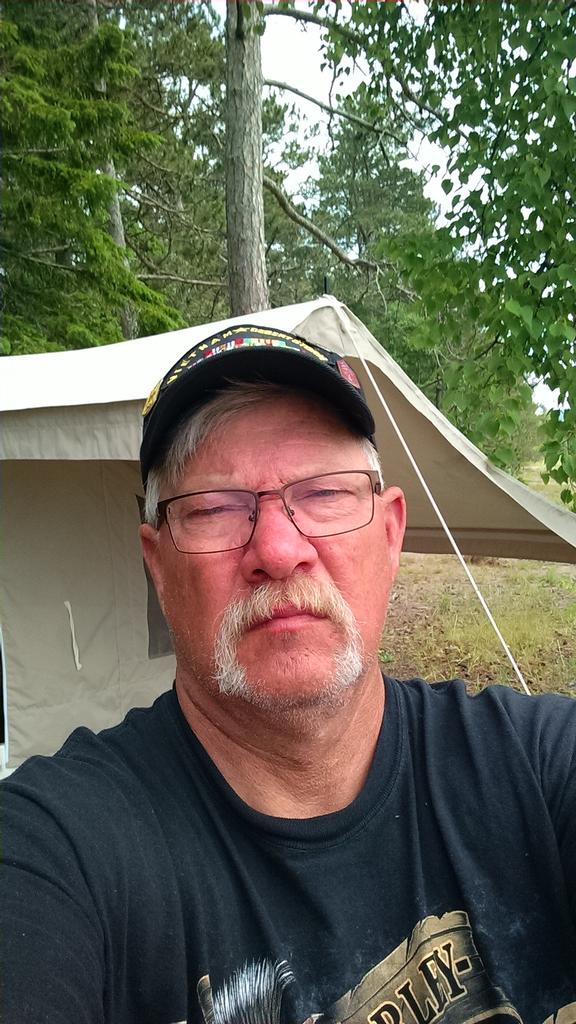
U.S. Marine Corps
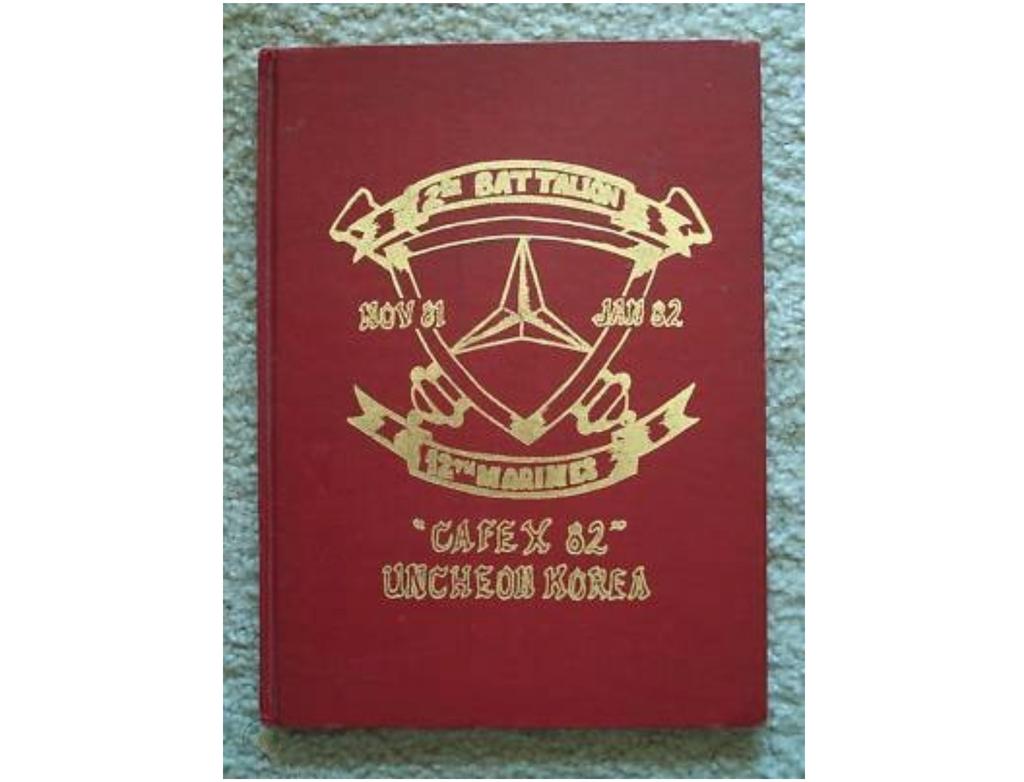
U.S. Marine Corps
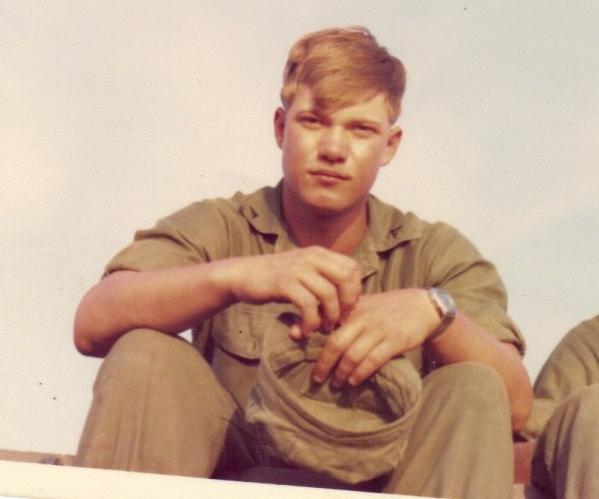
U.S. Marine Corps