
Opening branch overview
Building the branch home surface
Loading branch highlights, featured unit context, and gallery moments.
Overview
Members
Units
Building the branch home surface
Loading branch highlights, featured unit context, and gallery moments.
Building the branch units surface
Loading unit filters, rankings, and the branch unit grid.

2 members•1 unit
Relive and share the memories of your service-time with your brothers and sisters in arms today. VetFriends.com can help you reconnect.
Did you proudly serve in the MAWTUPAC?
Are you looking for someone who is or was in the MAWTUPAC?
Do you have MAWTUPAC photos you'd like to share?
Then join a community with your brothers and sisters of the MAWTUPAC.
Branch
U.S. Marine Corps
Members
2
MAWTUPAC, short for Marine Air Weapons and Tactics Unit Pacific, was established in the early 1980s to enhance the tactical proficiency of Marine Corps aviation units operating in the Pacific theater. The unit rapidly gained a reputation for its innovative training programs, focusing on advanced air-to-ground and air-to-air tactics, and integrating new technologies into Marine aviation doctrine. Over the decades, MAWTUPAC instructors played a pivotal role in preparing Marine aviators for deployments to hotspots such as the Persian Gulf, Afghanistan, and the South China Sea. Today, MAWTUPAC continues to serve as the premier center for aviation tactics development and training within the Pacific region, maintaining a legacy of excellence and adaptability.
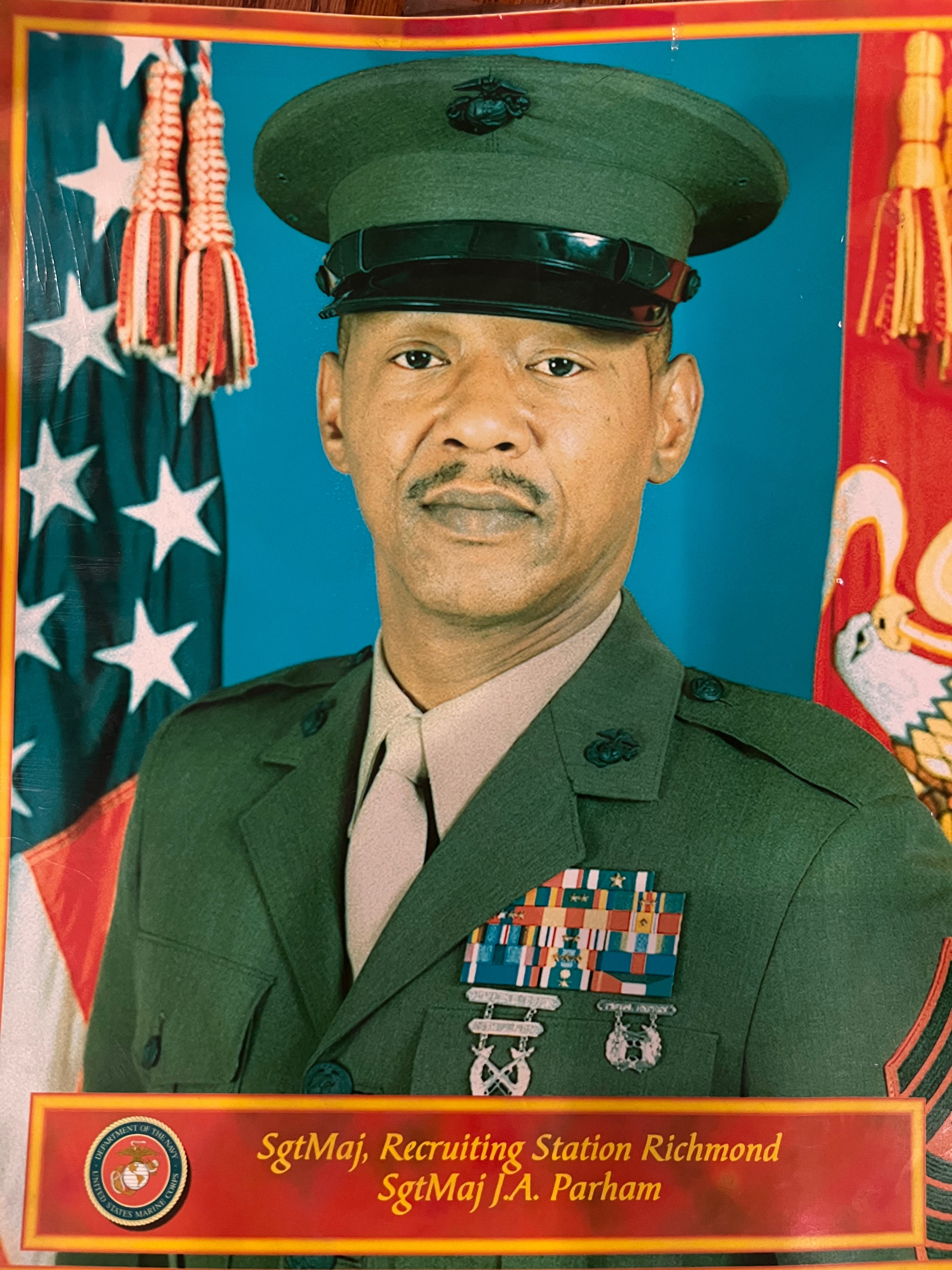
U.S. Marine Corps
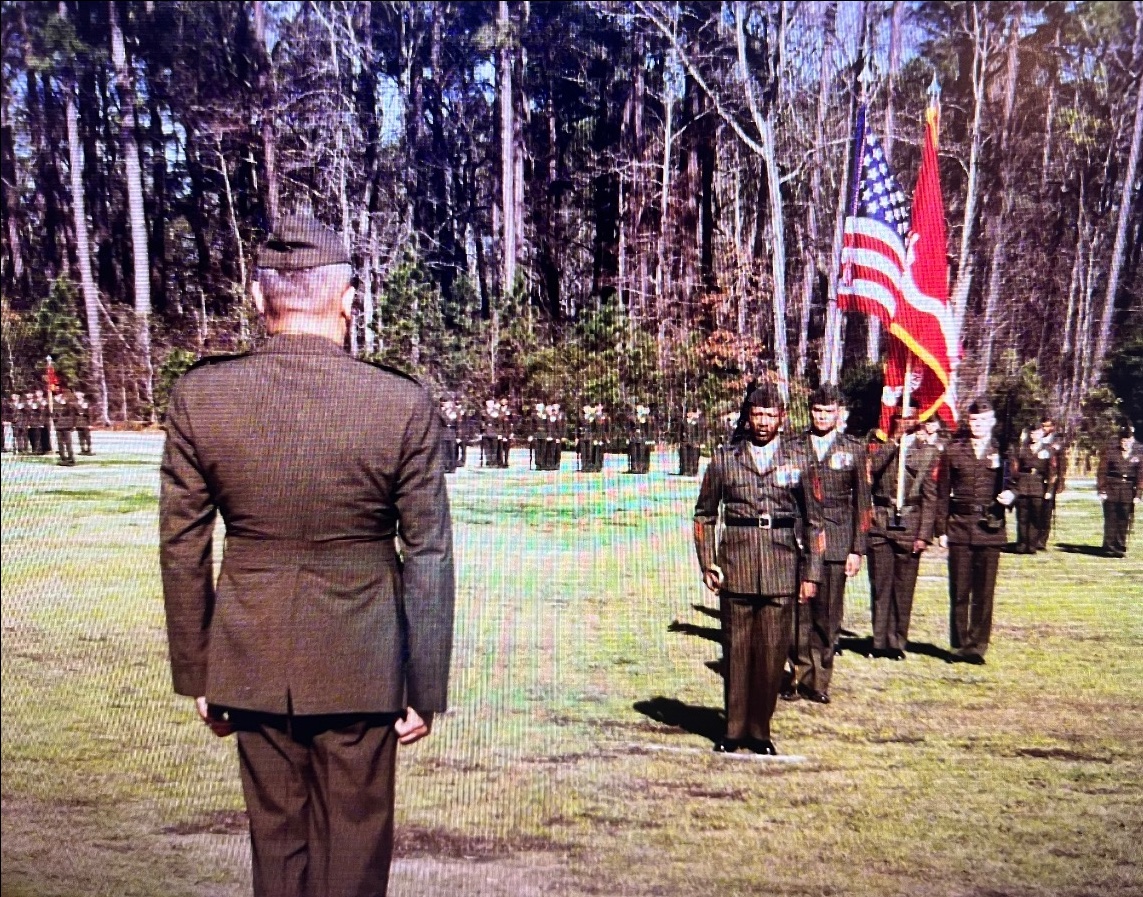
U.S. Marine Corps • 1992
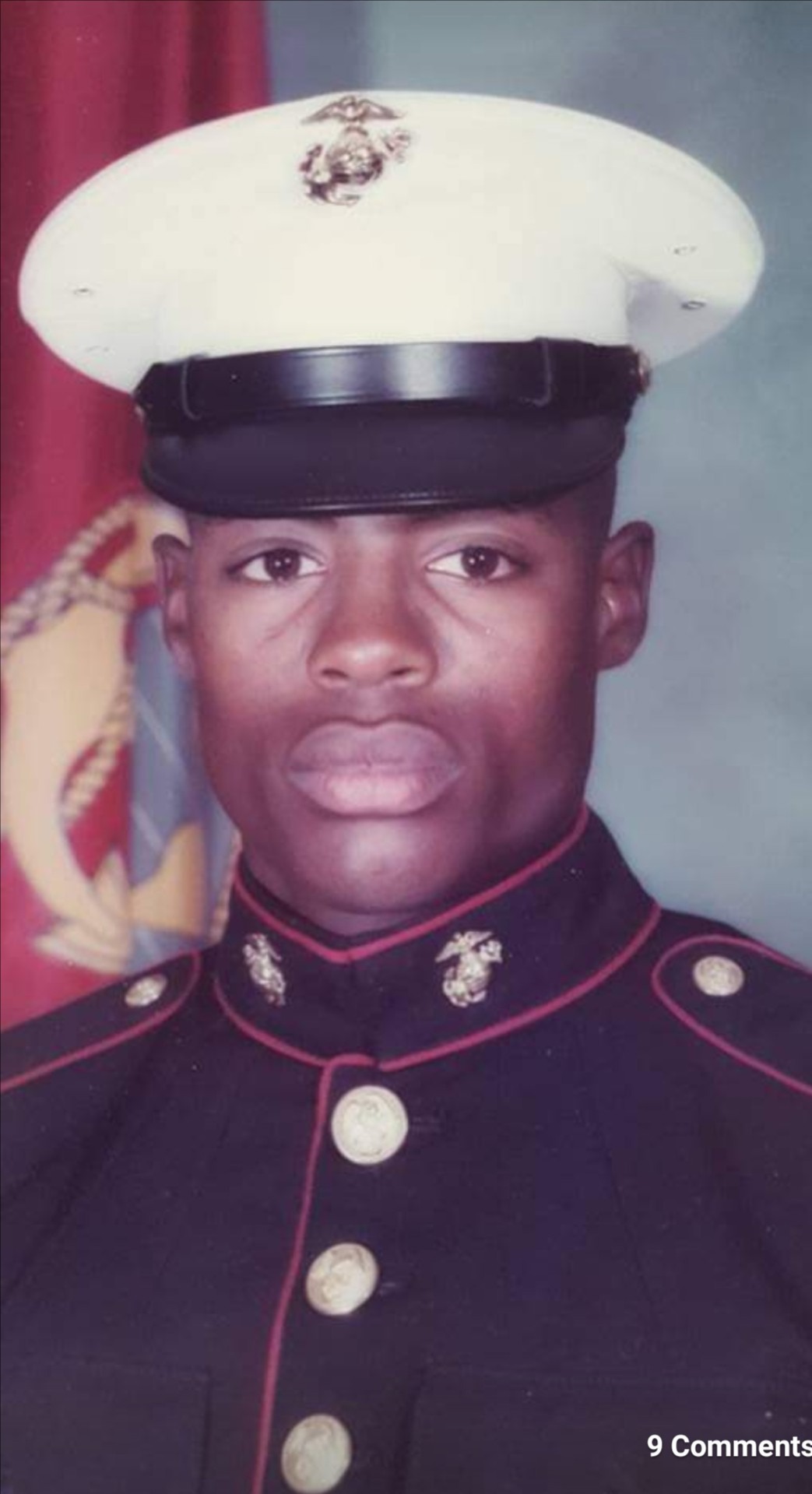
U.S. Marine Corps
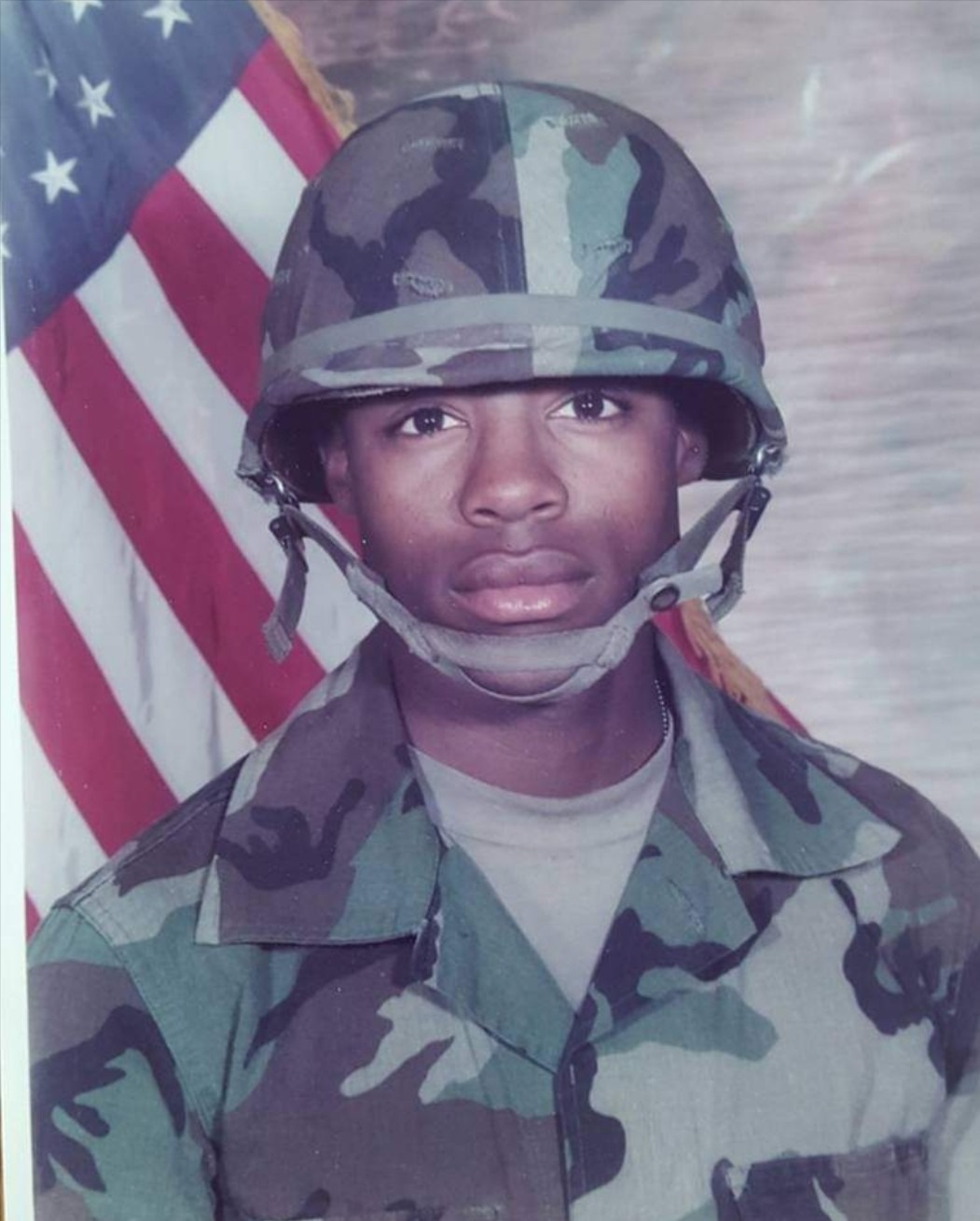
U.S. Marine Corps