
Opening branch overview
Building the branch home surface
Loading branch highlights, featured unit context, and gallery moments.
Overview
Members
Units
Building the branch home surface
Loading branch highlights, featured unit context, and gallery moments.
Building the branch units surface
Loading unit filters, rankings, and the branch unit grid.

2 members•1 unit
Relive and share the memories of your service-time with your brothers and sisters in arms today. VetFriends.com can help you reconnect.
Did you proudly serve in the MATCU 66?
Are you looking for someone who is or was in the MATCU 66?
Do you have MATCU 66 photos you'd like to share?
Then join a community with your brothers and sisters of the MATCU 66.
Branch
U.S. Marine Corps
Members
2
Marine Air Traffic Control Unit 66 (MATCU-66) was a United States Marine Corps aviation command and control unit activated during the Vietnam War. Established in the 1960s, MATCU-66 was responsible for providing air traffic control and airspace management for Marine aviation assets in combat zones, notably supporting operations at various airfields in South Vietnam. The unit played a vital role in ensuring the safe and efficient movement of aircraft during critical combat missions and resupply operations. MATCU-66 was eventually deactivated as part of the post-war drawdown, but its contributions to Marine Corps aviation command and control remain significant in military history.

U.S. Marine Corps

U.S. Marine Corps
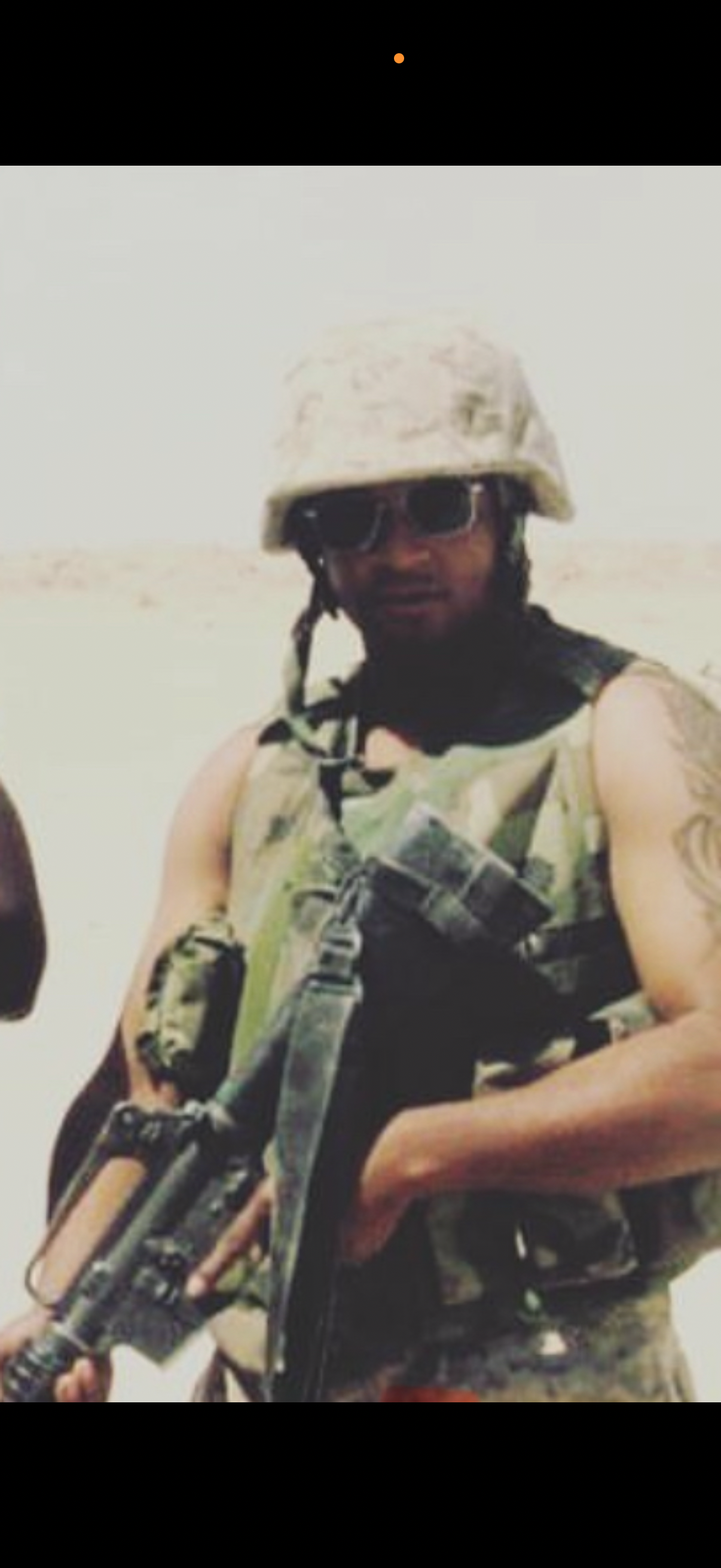
U.S. Marine Corps

U.S. Marine Corps • 1968